|
|
|
Finally Friday!
September 11, 2026
|
|
|
 |
|
|
|
In just a little over a month, energy leaders from across the Southeast will gather in Charlotte, North Carolina, for Southeast Power NEXT, November 4–6, 2026.
The conference will bring together utilities, policymakers, developers, financiers, large energy users, and other industry leaders to discuss the region’s rapidly changing energy landscape. Sessions will explore rising electricity demand, affordability and reliability, new generation, transmission, solar and storage, permitting and siting, and large-load growth.
Energy Right COO Blake Cox will join the November 4 Virginia panel, contributing to the conversation around the Commonwealth’s energy needs and the policies shaping future development.
Registration for the event can be found on the main navigation page via the link above.
|
|
|
|
|
|
New Solar Standards, New Questions for Local Planning
|
 |
|
|
|
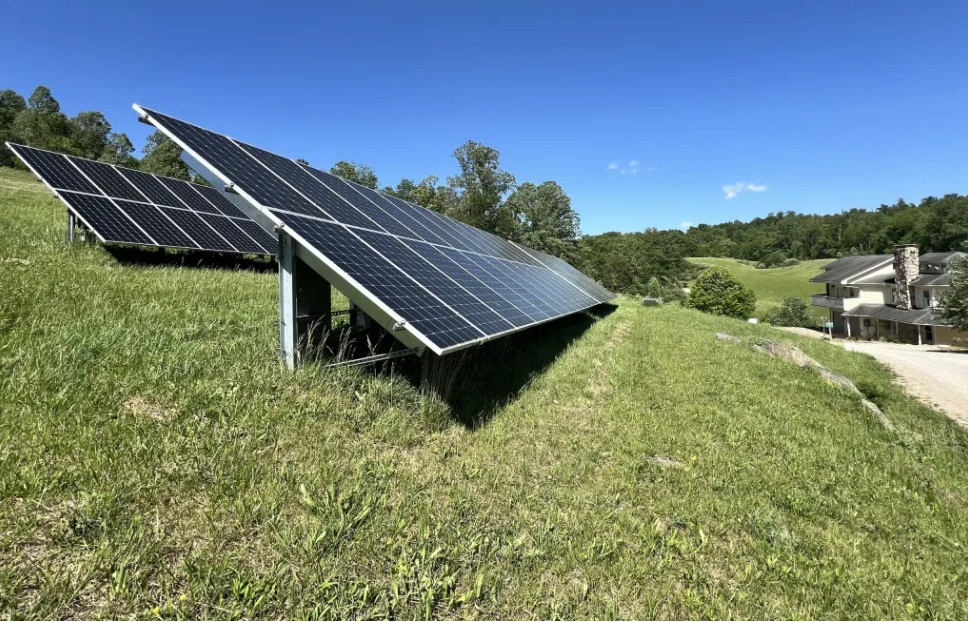
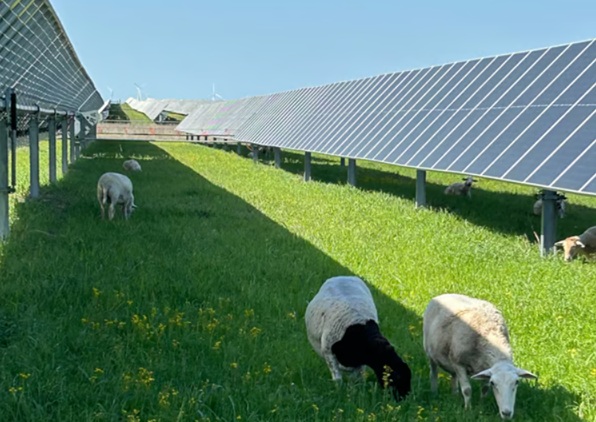
Virginia and Maryland have both moved to make solar permitting more predictable through statewide siting standards. Maryland’s 2025 Renewable Energy Certainty Act established a state framework for commercial solar and limited local governments’ ability to use zoning to prohibit qualifying projects outright. Virginia followed with HB 711 in 2026, requiring localities to provide a special-exception pathway for qualifying ground-mounted solar while setting standards for setbacks, screening, decommissioning, and other requirements. These laws create clearer rules for development without removing local review.
In Virginia, that makes the Comprehensive Plan increasingly important. HB 711 doesn’t require localities to approve qualifying projects, and denied applications must be reported to the State Corporation Commission within 60 days, including whether the project was inconsistent with the locality’s Comprehensive Plan. Counties can therefore use long-range land-use policies to establish where solar is appropriate or discouraged and how development fits within agricultural and rural areas. As statewide standards limit some permitting barriers, debates over solar may increasingly shift toward the policies used to evaluate individual projects.
That raises an important question for both states: can statewide standards create a predictable path for solar development if local planning policies can still create significant barriers? Statewide standards may create a clearer baseline for solar development, but they don’t resolve the differences between statewide energy needs and local land-use priorities. Instead, those questions may increasingly be decided through Comprehensive Plans and the policies that shape how individual projects are evaluated.
|
|
|
|
|
|
FROM THE ROAD
|
 |
|
|
|
Dylan Taylor from the Energy Right team attended the Greenlight Mid-Atlantic Regional Clean Energy Summit in Philadelphia this past week, where he spoke about community-forward approaches when it comes to energy integration. In particular, he addressed the issue that even when energy projects don’t move forward and break ground, the relationships between community members, council members, and those making proposals still remain and either grow, or fade.
“Even if a project does not fit a community, your relationships don’t disappear and they are still incredibly valuable.”
|
|
|
|
|
|
|
|
|
|
|
|
|
|
The Energy Right team went to Hampton Roads as well as Pennsylvania this week!
|
|
|
|
|
|
|
|
|
|
Energy Right’s Jack Wilson argues that Virginia’s rapidly growing electricity demand requires a focus on resources that can be built in time to meet it. With the Commonwealth importing significant amounts of electricity, Wilson highlights solar and battery storage as relatively quick-to-deploy additions to an all-of-the-above portfolio, while emphasizing their potential to support reliability, local investment, landowners, and economic growth
|
|
|
 |
|
What’s Next
|
|
|
|
NEXT WEEK
|
|
We’ll be going to Charlottesville, Henrico, and New Kent counties.
|
|
|
|
|