|
|
|
Happy Friday!
October 9, 2026
|
|
|
|
The Energy Right team was at the Virginia Clean Energy Summit in Richmond, where Governor Spanberger gave more information about Virginia’s energy plan. We were also in Powhaton, Essex, and James City for different Planning Commissions regarding solar development, projects, and/or ordinances. Our hope is that from landowners to our states’ leaders, Virginia can have similarly aligned standards, goals, and benefits. That’s clean energy, The Right Way.
|
|
|
|
|
|
Battery Storage Systems are More Reliable Now than Ever
|
 |
|
|
|
Battery energy storage systems (BESS) are becoming an increasingly important part of Virginia’s energy landscape. They were heavily outlined as a focal point in Governor Spanberger’s recent 2026 Virginia Energy Plan for the resiliency that they add to the electrical grid. Still, questions about safety and reliability remain a common part of local discussions at the permitting level in counties and localities. New data from the Electric Power Research Institute (EPRI), an independent nonprofit energy research and development organization, provides some encouraging perspective.
Since 2018, global grid-scale battery storage deployment has increased dramatically while the number of failure incidents relative to the amount of storage deployed has continued to fall. In other words, the industry is deploying substantially more battery storage while experiencing fewer failures per unit of deployed capacity. EPRI’s public database tracks reported battery energy storage system failure incidents around the world, providing an important source of data as the industry continues to mature.
Part of that progress comes from the continued development of safety standards and industry best practices. One important example is the National Fire Protection Association (NFPA) 855, the standard for the installation of stationary energy storage systems. The current 2026 edition establishes minimum requirements for mitigating hazards associated with energy storage systems, including considerations for fire protection, spacing, detection, ventilation, explosion control and thermal runaway.
Battery storage is still a developing technology, and safety should continue to be taken seriously. But the data shows why the conversation should also recognize how much the industry has learned. More deployment doesn’t mean more risk. BESS technology deployment has scaled, but so too have the standards, testing, engineering and safety practices designed to make these systems safer and more resilient.
|
|
|
|
|
|
FROM THE ROAD
|
 |
|
|
|
The Energy Right team attended the Virginia Clean Energy Summit this week to share Energy Right’s mission and hear from a diverse network of energy professionals about how we are moving Virginia forward!
|
|
|
|
What We’re Thinking
|
 |
|
277,000 Acres, How Much?
|
 |
|
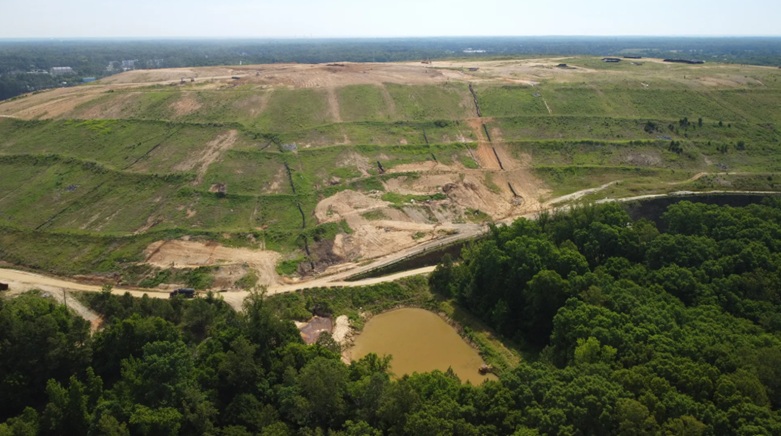
A landfill site in Chesterfield County, one example of potential land use
|
|
|
|
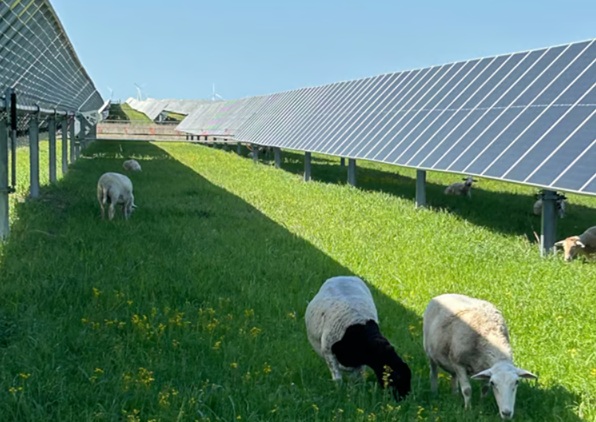
Governor Abigail Spanberger’s new energy plan has generated a lot of buzz around the Commonwealth and in the media, and one part seems to stand out – the amount of land that is proposed for the development of solar. While the plan gives a range, one scenario calls for as much as 277,000 acres of solar development, a number that has left many people rightfully concerned and asking questions. While 277 thousand acres is nothing to scoff at, with a bit more context, that number is better realized how it may come to affect the state. When looking at the whole picture, these acres represent just about 1.5% of the state’s existing farmland and less than 1% of its forestland. While the value of this land must continue to be taken seriously, it isn’t the same as saying Virginia and the governor plan to cover all (or even most of) our farms and forests in solar panels.
This call for more solar is a direct result of a central issue facing the Commonwealth—we need more affordable energy, and ideally, energy that is reliable and produced domestically here in Virginia. Our electricity demand continues to rise, and Virginia remains the number one importer of electricity in the nation. Increasing the buildout of solar energy in Virginia will not only help meet Virginia’s rising energy demand the fastest out of any other technology, but it can also do so in the most cost-effective manner.
It’s important to note that this energy plan is a proposal—a framework to guide Virginians, and the 270,000-acre number is the high end of a range that spans a difference of nearly 100,000 acres. This plan also doesn’t mean every acre proposed for a solar project will automatically be approved. Communities and landowners deserve to keep a meaningful voice in these conversations, and prime farmland and forests should be protected where possible. The land-use debate should be weighed against Virginians’ right to a dependable energy supply that doesn’t leave them increasingly dependent on outside power.
|
|
|
|
|
|
|
|
|
|
|
|
This week, the team has been to Brunswick, Essex, James City, Loudoun, Louisa, Lunenburg, and Powhatan counties!
|
|
|
|
|
|
|
|
|
|
Mayor Mondale Robinson of Enfield, North Carolina is aiming to build enough solar to power the entire town of 2,000. By looking at the needs of rural communities and wanting to provide long term solutions, Robinson has decided to try bonding similar communities together by founding the National Conference of Small Cities and Rural Mayors. He hopes that establishing a more visible platform for these communities can put them up for deserved attention when it comes to infrastructure and growth.
|
|
|
|
|
WHAT NEXT?
|
|
|
|
NEXT WEEK
We’ll be back in Brunswick, Culpeper, Hanover, Mecklenburg, and Orange counties
|
|
|
|
|
|
|