
Technically, a Battery Energy Storage System (BESS) is an electrochemical device that captures and stores electrical energy as chemical energy, which can later be converted back into electricity via a reversible chemical reaction. At its core, the system consists of battery cells—typically Lithium-ion in modern grid applications—organized into modules and racks. These are managed by a Battery Management System (BMS), which monitors the health of the cells, and an inverter, which converts the power from DC to AC.
The Danville 1 Battery Energy Storage System -- a Lightshift Energy project.
At its simplest, battery storage acts like a “bank” for electricity. While the power grid traditionally operates on a “just-in-time” basis—where electricity must be used the exact moment it is generated—batteries allow us to capture that energy and save it for later. We know batteries in our daily lives – from smartphones to television remotes – but now we have the capability to manufacture batteries that can support entire communities. By holding onto power until it is needed, battery storage ensures that electricity is available even when the primary source isn’t actively producing it.
This technology is becoming the “missing link” for a cleaner energy future, particularly for renewable energy like wind and solar. Because the sun doesn’t always shine and the wind doesn’t always blow, batteries push energy onto the grid during peak demand times because batteries charge at non-peak times. Ultimately, adding storage creates a more secure and reliable grid by ensuring that power is always available exactly when and where it is needed most.
For more information on battery projects in Virginia and in your locality, please visit the Virginia Solar and Storage Database put together by the University of Virginia’s Weldon Cooper Center for Public Service. The database provides an inventory of large-scale solar projects and battery energy storage systems proposed for siting approval at the local level in Virginia.

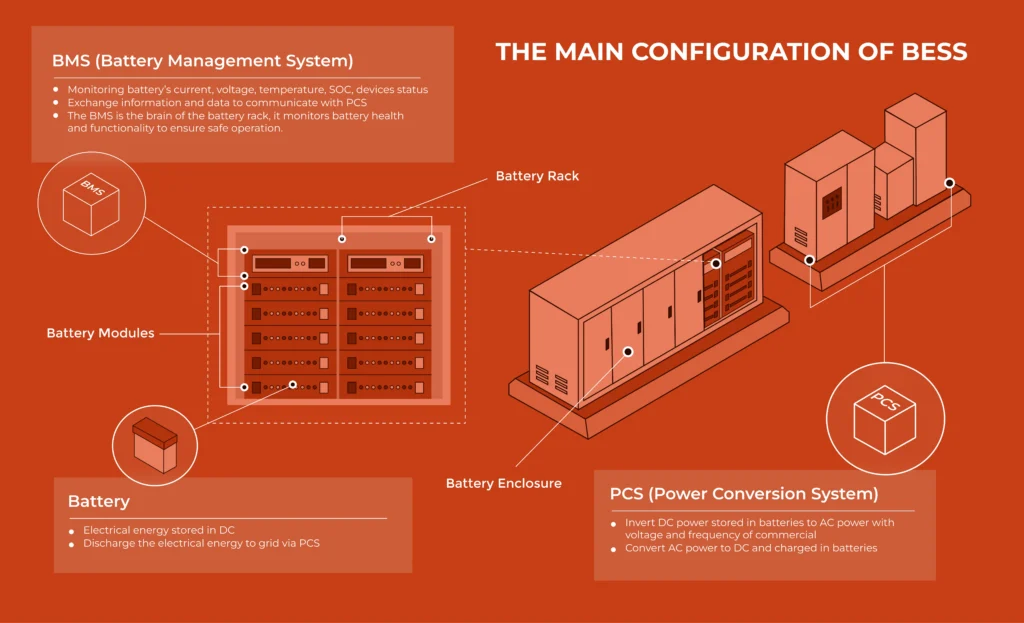
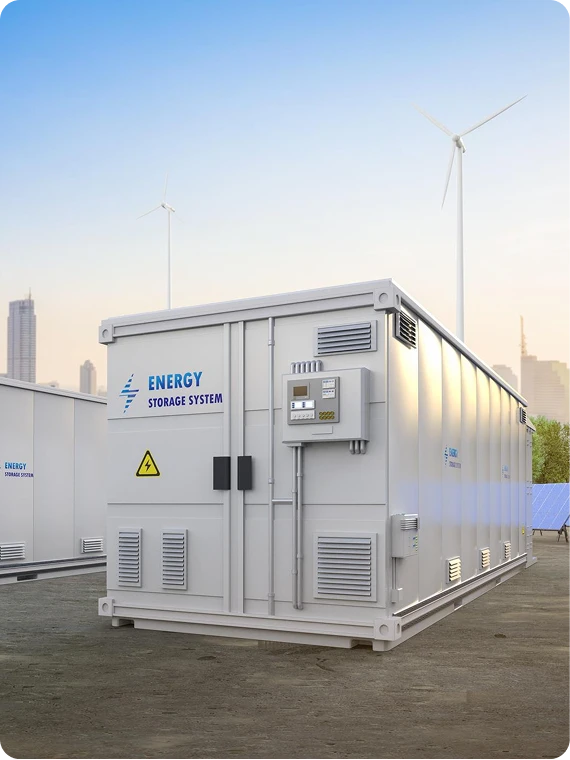
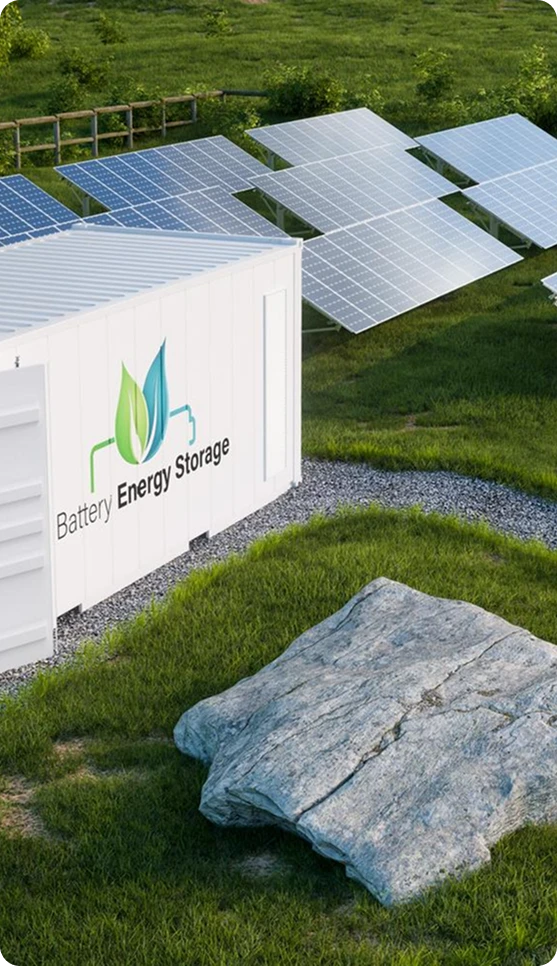
Batteries vary by technology, but the predominant battery chemistry is Lithium Ion due to its energy density and proven safety. Unlike solar projects, battery projects can be sited on a much smaller acreage of 10-20 acres while allowing for adequate setbacks and buffer areas. Battery projects are typically standalone but can be placed beside solar and wind projects. By making efficient use of available space, BESS installations contribute to a more sustainable and adaptable energy future for communities of all sizes.
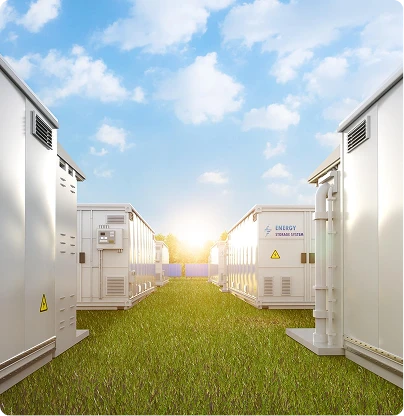
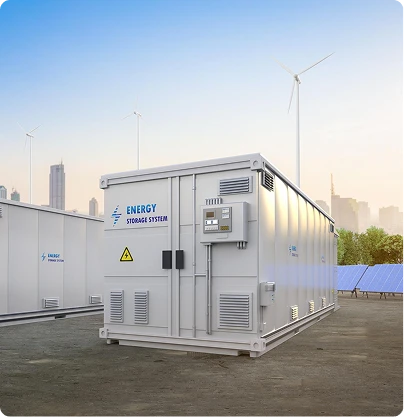
Utility-scale battery containers often look like shipping containers in rows. Batteries must be sited near transmission infrastructure and substations to charge and discharge energy to and from the power grid. As needed, containers can be swapped out for newer containers with few changes to the site.
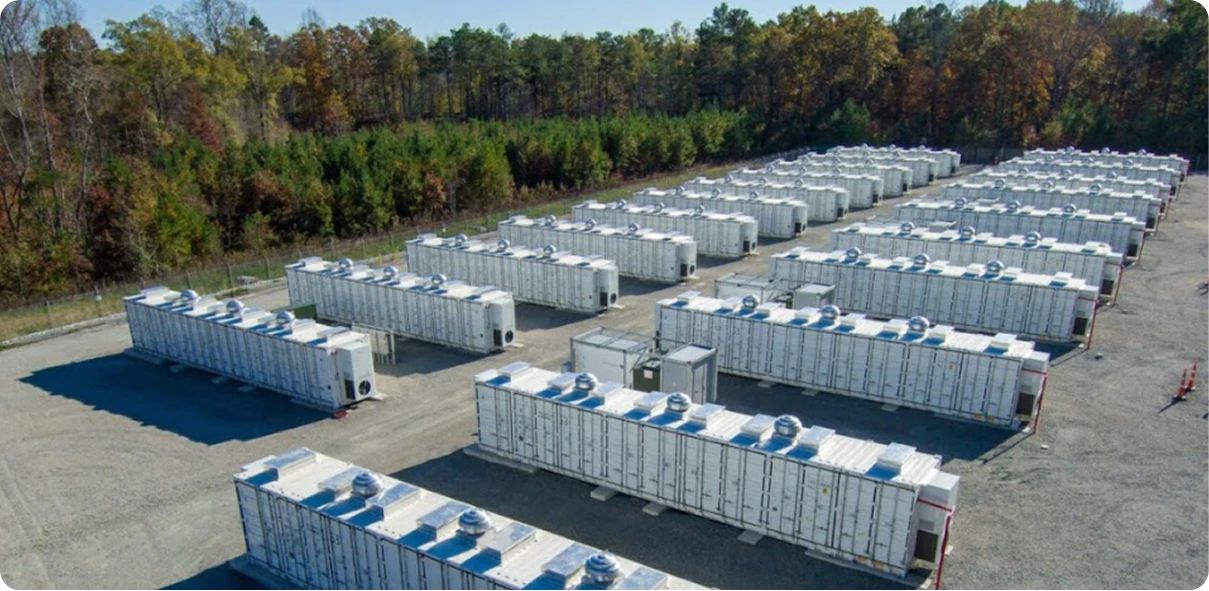
This photo was taken at Dominion Energy’s Dry Bridge energy storage facility in Chesterfield County, Virginia. On just a few acres, these modules strengthen Virginia’s energy grid on a daily basis by lowering the peaks and valleys of energy demand and supply.
Utility-scale battery storage works like a giant rechargeable bank account for the power grid. The primary way these projects make money is through energy arbitrage: they “buy” electricity when it is cheap (like in the middle of a sunny day) and “sell” it back to the grid when prices are high (like during the evening when everyone turns on their lights). Because batteries can respond in milliseconds, they are much more efficient at balancing the grid than traditional power plants.
Beyond just buying and selling power, these projects earn extra income by providing grid stability. Grid operators pay battery owners “insurance” fees to stay on standby, ready to jump in if a power plant fails or demand spikes suddenly. This combination of different paychecks—selling energy and providing backup services—is what makes the high upfront cost of the battery cells a profitable long-term investment.
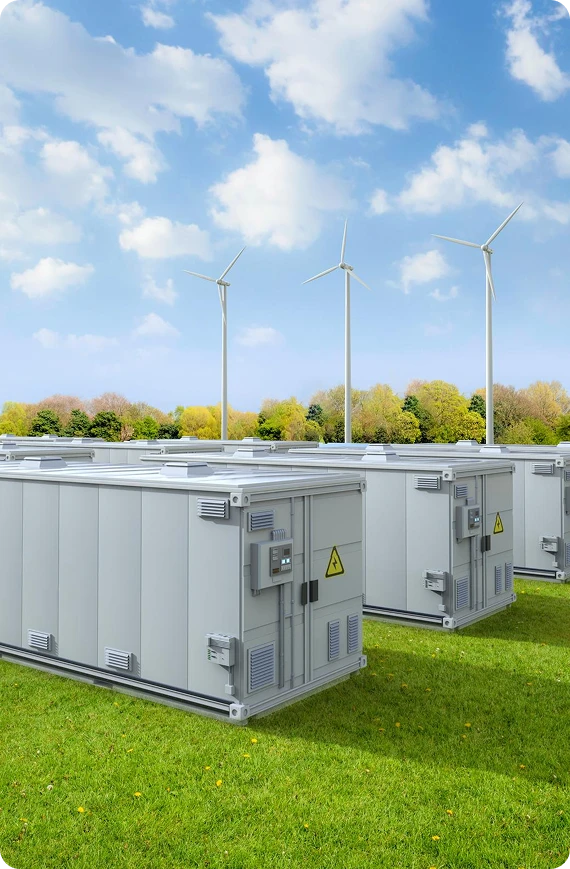


Battery Energy Storage Systems are becoming increasingly vital components of our energy infrastructure. These systems offer numerous benefits, including grid stabilization, enhanced renewable energy integration, and improved energy resilience. This document aims to provide Authority Having Jurisdictions (AHJs) with comprehensive guidance on best practices and recommendations for the siting and permitting of BESS in their communities. As BESS technology continues to evolve, it is essential for AHJs to stay informed about the latest developments and safety considerations. This document serves as a starting point for building the knowledge and expertise necessary to effectively regulate and manage BESS installations in your community.
When developing an ordinance for a BESS, it is imperative to include a comprehensive Emergency Response Plan (ERP). The ERP must include protocols for the safe shutdown, de-energization, or isolation of equipment during emergencies to mitigate the risk of fire, electric shock, or hazardous material release, proper emergency response steps, along with guidelines for the safe resumption of operations afterward. Below are some strategies to address and mitigate these concerns:
Setbacks are a common-sense measure to help maintain and make these projects the best neighbors possible for our communities. Ensuring that BESS enclosure have an additional setback from property lines and other structures ensures safety and allows neighbors to enjoy their property without even knowing a storage facility is in their neighborhood.
Setback from Occupied Structures: 100ft
Setback from Property Line: 10ft – 50ft
Within setbacks, planted buffers, or supplementing existing natural vegetative buffers, surrounding the project help ensure that BESS projects are shielded from view of neighbors and passersby. Keep in mind that trees, brush, and other similar vegetation should be at least 10ft away from the system as an added safety measure.
Proposed projects should submit thorough decommissioning plans as part of the site plan review to ensure that project land is returned to its original state or better when the life of a project ends. All costs associated with decommissioning are borne by the applicant/project owner. The decommissioning cost should account for all remediation activities, for inflation, administrative costs, as well as the salvage value of project materials.
Genuine outreach in the communities where a project is proposed is imperative. Speaking with and gathering input from neighboring landowners, county leaders, and community groups will result in the best project possible for the whole community. In addition to individual outreach, at least one community meeting should be held before any official public hearings, with neighbors invited.
Whenever possible, developers and Engineering, Procurement, and Construction (EPC) companies should aim to source goods and services as local to the project site as possible. The true economic benefits come from spending dollars with local businesses, magnifying the investment.
Once constructed, BESS projects might be visited once a month. If neighbors or local leaders bring traffic and road maintenance concerns, projects should include plans to mitigate traffic and road impacts.
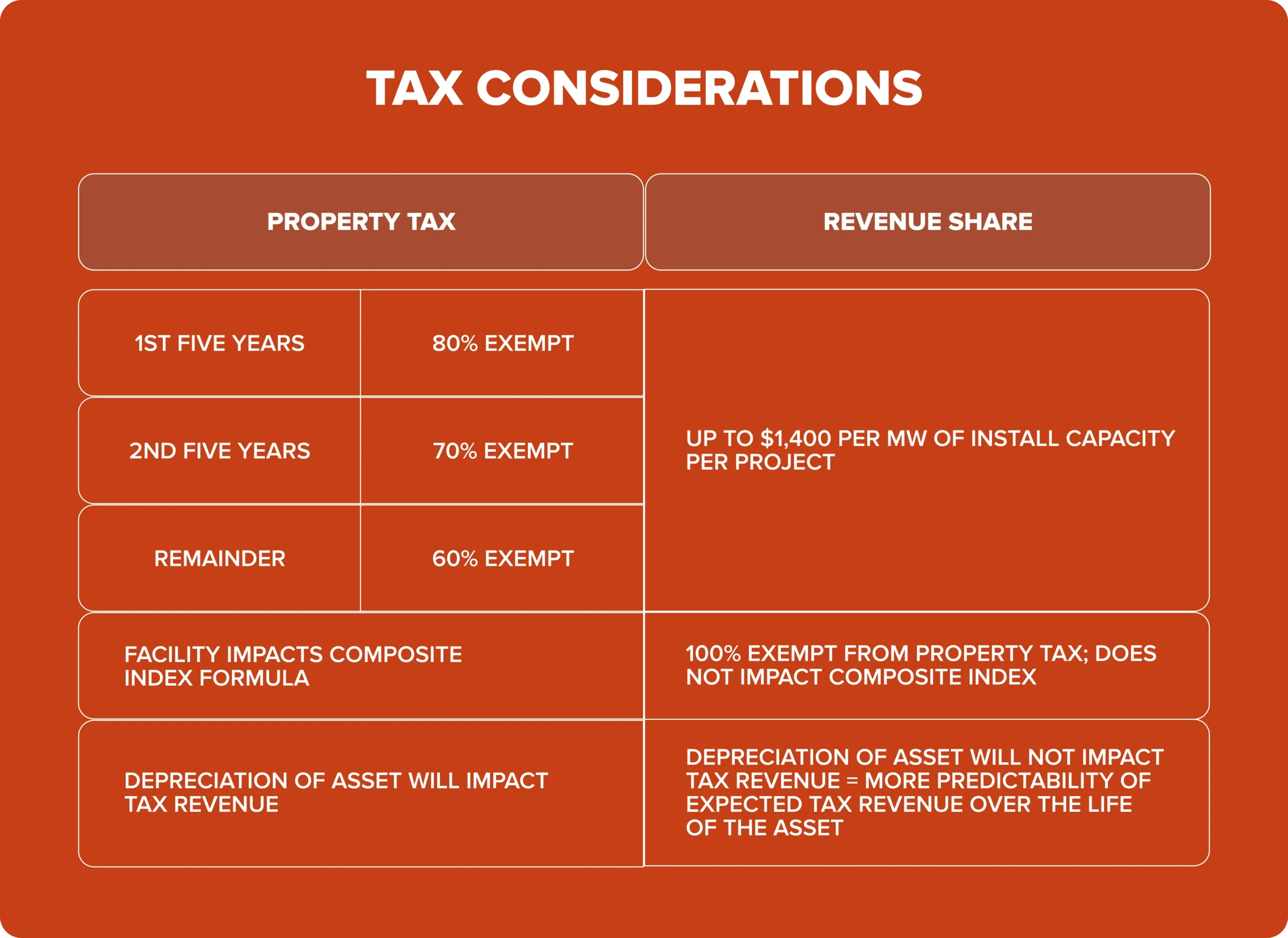
BESS projects can and should be great economic drivers in rural Virginia. Entering into revenue-sharing or siting agreements is a great way to generate new tax revenue without additional demand for public services. This tax revenue can help lower taxes on citizens or fund road repairs, infrastructure, schools, or first responders. Special consideration for first responders should be considered during this process.
Above, guidance is provided on various aspects affecting BESS, but it’s crucial to reference additional resources for optimal management. Our guidance is grounded in the following references and resources.
This is very useful for engineers and developers to verify the effectiveness of the product’s protection against key issues, like fire.
Composed of six documents, these Standards depict and explain the unique properties that can alert people to hazards in the workplace and at home.

Battery energy storage facilities do not require water to operate.
Unlike some forms of energy generation, battery storage systems do not rely on water for cooling or operation. BESS facilities store electricity in battery cells and release it when needed, meaning there is no ongoing water consumption. In addition, systems are housed in sealed enclosures designed to prevent any materials from escaping into soil
or groundwater.

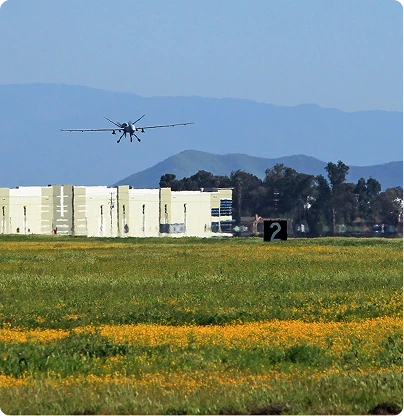
Fires at battery storage facilities are extremely rare and systems are designed with multiple safety protections.
Modern battery systems include layers of fire prevention technology, such as temperature monitoring, automatic shutdown systems, fire suppression equipment, and spacing between units. In the unlikely event of an incident, the design of battery enclosures allows issues to be isolated to a single unit, preventing them from spreading to other containers.
BESS facilities produce minimal sound and operate quietly.
Battery storage facilities do not contain turbines, engines, or large moving machinery. The primary sources of sound are small cooling fans or inverters, which operate at low decibel levels comparable to common background noise. Proper siting and setbacks further ensure noise levels remain minimal for neighboring properties.
Battery energy storage facilities do not require water to operate.
Unlike some forms of energy generation, battery storage systems do not rely on water for cooling or operation. BESS facilities store electricity in battery cells and release it when needed, meaning there is no ongoing water consumption. In addition, systems are housed in sealed enclosures designed to prevent any materials from escaping into soil
or groundwater.
Fires at battery storage facilities are extremely rare and systems are designed with multiple safety protections.
Modern battery systems include layers of fire prevention technology, such as temperature monitoring, automatic shutdown systems, fire suppression equipment, and spacing between units. In the unlikely event of an incident, the design of battery enclosures allows issues to be isolated to a single unit, preventing them from spreading to other containers.
BESS facilities produce minimal sound and operate quietly.
Battery storage facilities do not contain turbines, engines, or large moving machinery. The primary sources of sound are small cooling fans or inverters, which operate at low decibel levels comparable to common background noise. Proper siting and setbacks further ensure noise levels remain minimal for neighboring properties.

Battery storage systems are designed to operate safely and reliably across a wide range of temperatures.
Battery energy storage systems are housed in insulated containers equipped with thermal management systems that regulate internal temperatures. Heating and cooling systems maintain optimal operating conditions for the batteries, allowing them to function effectively in both hot summers and cold winters. These systems are commonly deployed in regions with much harsher climates than Virginia and are engineered to maintain reliable performance
year-round.
Battery storage actually improves grid reliability and stability.
Energy storage helps balance electricity supply and demand by storing excess power when it is abundant and delivering it when demand is higher. This helps utilities manage peak usage, stabilize voltage, and reduce the likelihood of outages.
Studies of similar utility infrastructure have found no evidence that well-sited projects reduce nearby property values.
Battery storage facilities are compact, often screened with vegetation or fencing, and generate minimal noise or traffic. Because they operate quietly and have a small footprint, they typically blend into existing utility or industrial infrastructure areas.