Happy Friday!
July 24, 2026
This week, the Energy Right team traveled across Virginia, meeting with local officials, business leaders, and residents to discuss the ever-changing energy landscape. We attended a Nottoway County Board of Supervisors meeting where two small-scale solar projects advanced, participated in a well-attended community meeting for a proposed utility-scale solar project in Brunswick County, and connected with residents in Fredericksburg at an Americans for Prosperity event focused on energy affordability and permitting reform.
Finding the Right Balance on Clean Energy Development
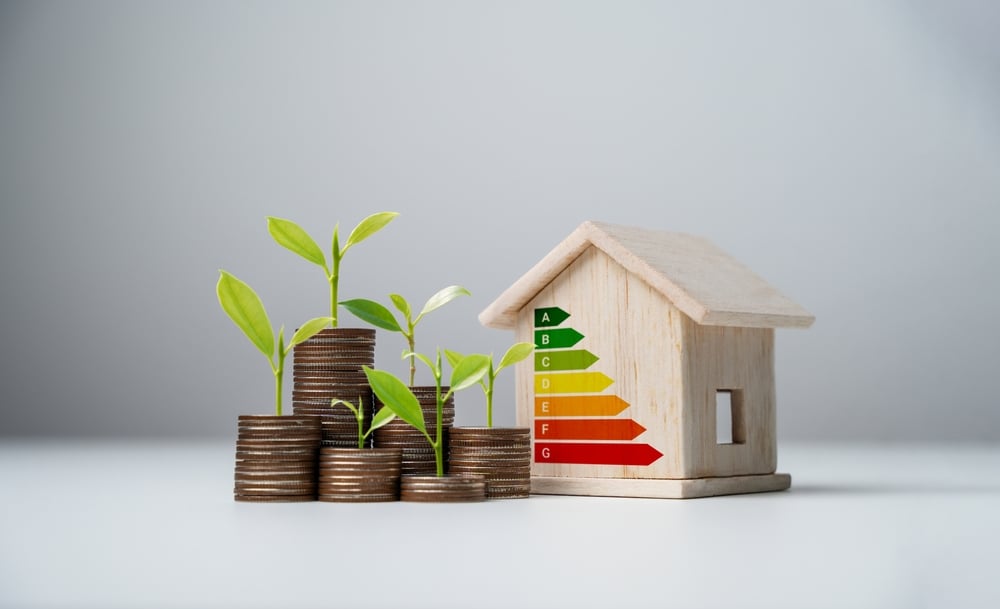
Recently, a county email in Henrico was made public, showing the County Manager requesting that county employees make slight adjustments to conserve electricity as the county prepares for rising energy costs. These rising costs are not limited to Henrico or county governments at large, but are an increasing problem facing Virginians across all corners of the Commonwealth. As electricity demand continues to grow—driven by population growth, new manufacturing, and energy-intensive data centers—communities are feeling the financial impacts of an increasingly strained electric grid. While energy conservation is a valuable tool that can help reduce costs in the short term, it’s only one piece of the solution. Long-term affordability will require Virginia to bring more reliable, cost-effective generation online to keep pace with demand.
Expanding clean energy technologies like solar and battery storage is one of the most practical ways to help address these challenges. Utility-scale solar projects are the quickest generation sources to develop, adding electricity to a strained grid sooner than other forms of generation to help increase supply as demand rises. While rising costs aren’t a simple economic supply and demand issue, it can certainly help alleviate some of the pressure the electric grid has experienced. Solar, when paired with battery storage, can help deliver power during periods of peak demand, continuing to reduce strain on the grid and helping relieve ratepayers’ bills. As Virginia plans for its growing energy needs and seeks to address the affordability crisis, it’s important that localities across Virginia take steps to responsibly develop clean energy technologies like solar and battery storage.
This starts in county boardrooms. Counties have an important role to play in determining where and how clean energy projects are developed, and thoughtful local ordinances can both protect rural communities and encourage the investment needed to meet Virginia’s growing energy demands. With growing conversations about how localities are responding to Virginia’s new state legislation, counties can take the lead by developing responsible ordinances that preserve local oversight through meaningful requirements and protections, without imposing unnecessary restrictions that effectively prevent projects from being built. By striking a balance, local governments can safeguard the character of their communities, respect the property rights of landowners, and strengthen local economies at the same time. All the while playing a larger role in helping the Commonwealth address the affordability crisis.
FROM THE ROAD
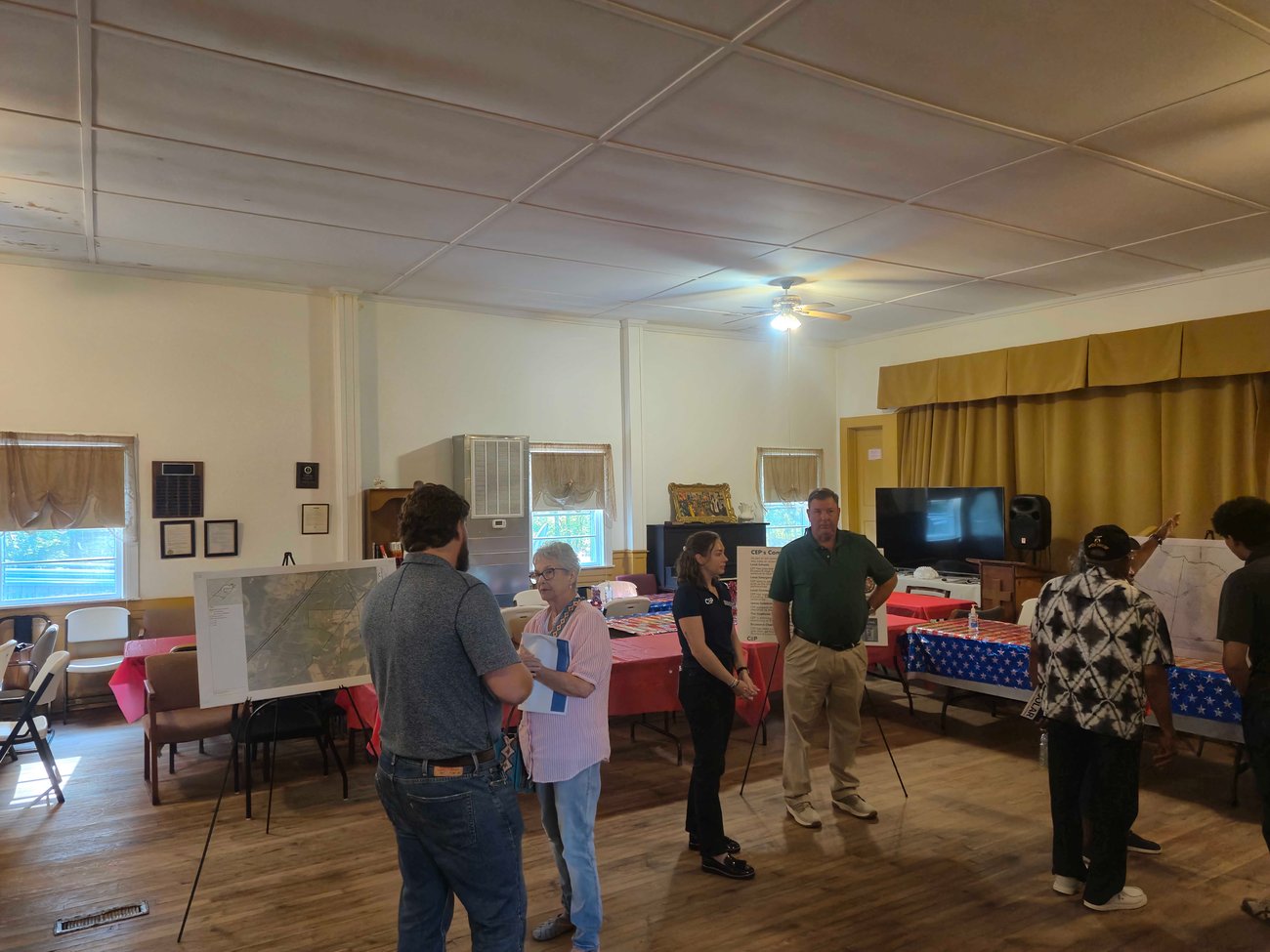
On Monday night the Energy Right team attended a community meeting in Brunswick county where a utility scale solar project is being permitted. The project is in the Red Oak district, and we saw a really great turnout from the community. Dozens of people came through, including supervisors, commissioners, and planning staff asking about the project. Meetings like this are crucial to good projects in Virginia, and we’re glad to see such a positive and informative turnout!
What We’re Thinking
Looking at a Changing Energy Mix
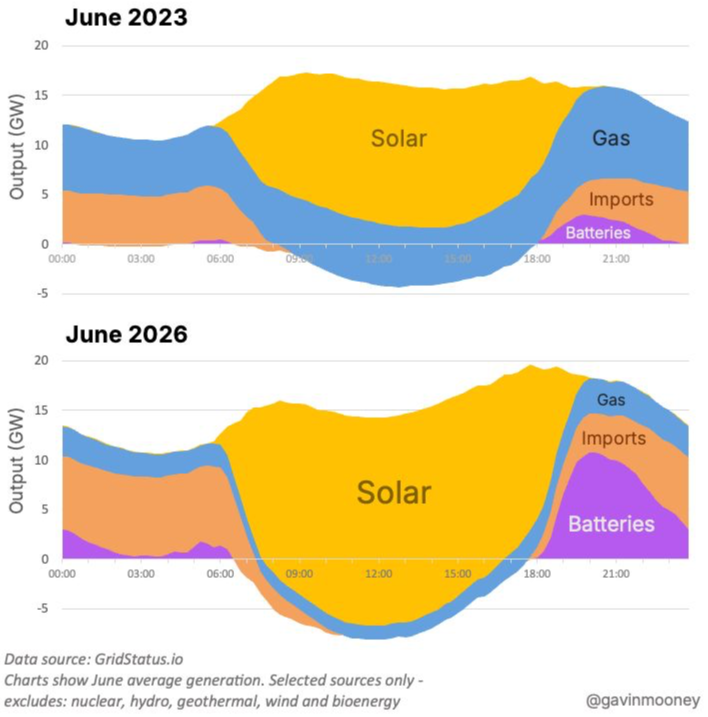
This week, we came across an interesting discussion about how California’s electric grid has changed over the past three years, and it provides a useful example of why solar energy and battery storage are increasingly being discussed together.
Comparing California’s average June generation profile in 2023 and 2026 shows just how quickly the grid has evolved. Solar generation has increased by more than 50 percent while battery storage output has grown by more than 300 percent. During the middle of the day, batteries charge using abundant solar generation, then discharge that stored electricity back onto the grid during the evening, when electricity demand remains high. Over the same period, natural gas generation has fallen by roughly 62 percent.
The biggest takeaway is that neither technology tells the full story on its own. Solar and battery storage complement one another. Solar produces electricity when the sun is shining, and batteries make more of that electricity available after sunset. The result is a grid that relies less on natural gas during the evening hours, when it has traditionally been needed most.
Virginia’s energy mix is different from California’s, but the relationship between solar and battery storage is the same. Many of the battery storage projects being proposed across the Commonwealth are designed to capture excess renewable generation and deliver it back to the grid when demand increases later in the day. California’s experience offers a real-world example of how these technologies can work together and why conversations about one increasingly include the other.
Where We Went

This week, the Energy Right team was in Brunswick, Chesapeake, Frederick and Nottaway counties.
Recent News
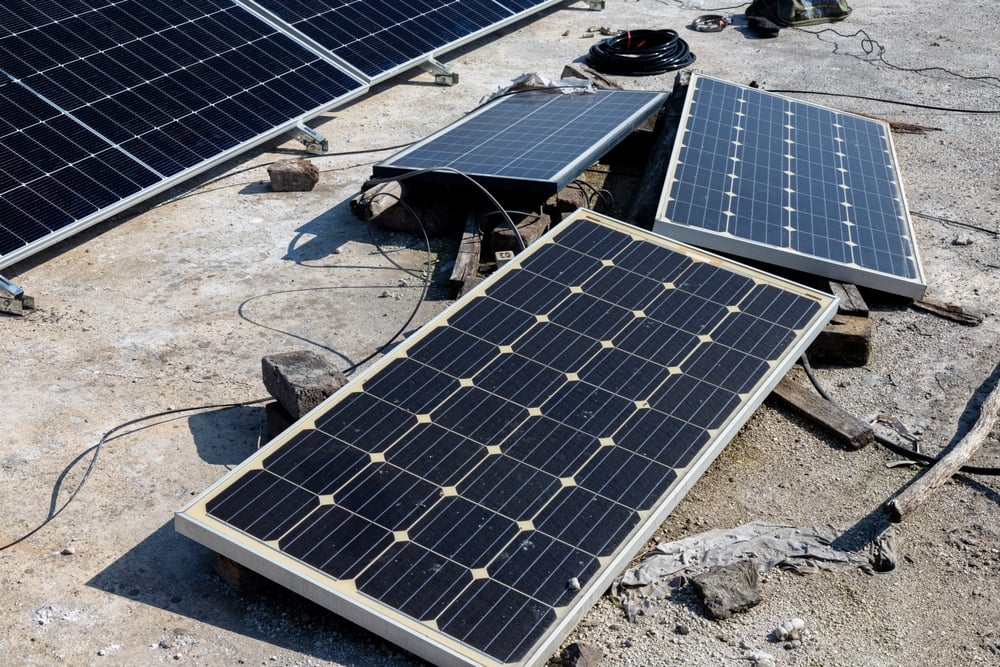
Comstock Metals and Illuminate USA enter into a solar material recycling services agreement
– Recycling Today
As solar manufacturing continues to expand in the U.S., companies are also investing in how solar materials are managed at the end of their useful life. Illuminate USA, operator of North America’s largest single-site solar panel manufacturing facility, has partnered with Comstock Metals to recycle manufacturing byproducts through a zero-landfill program. The agreement reflects a growing focus on building a more circular solar industry by recovering valuable materials, reducing waste, and supporting more sustainable manufacturing practices.
WHAT NEXT?
NEXT WEEK
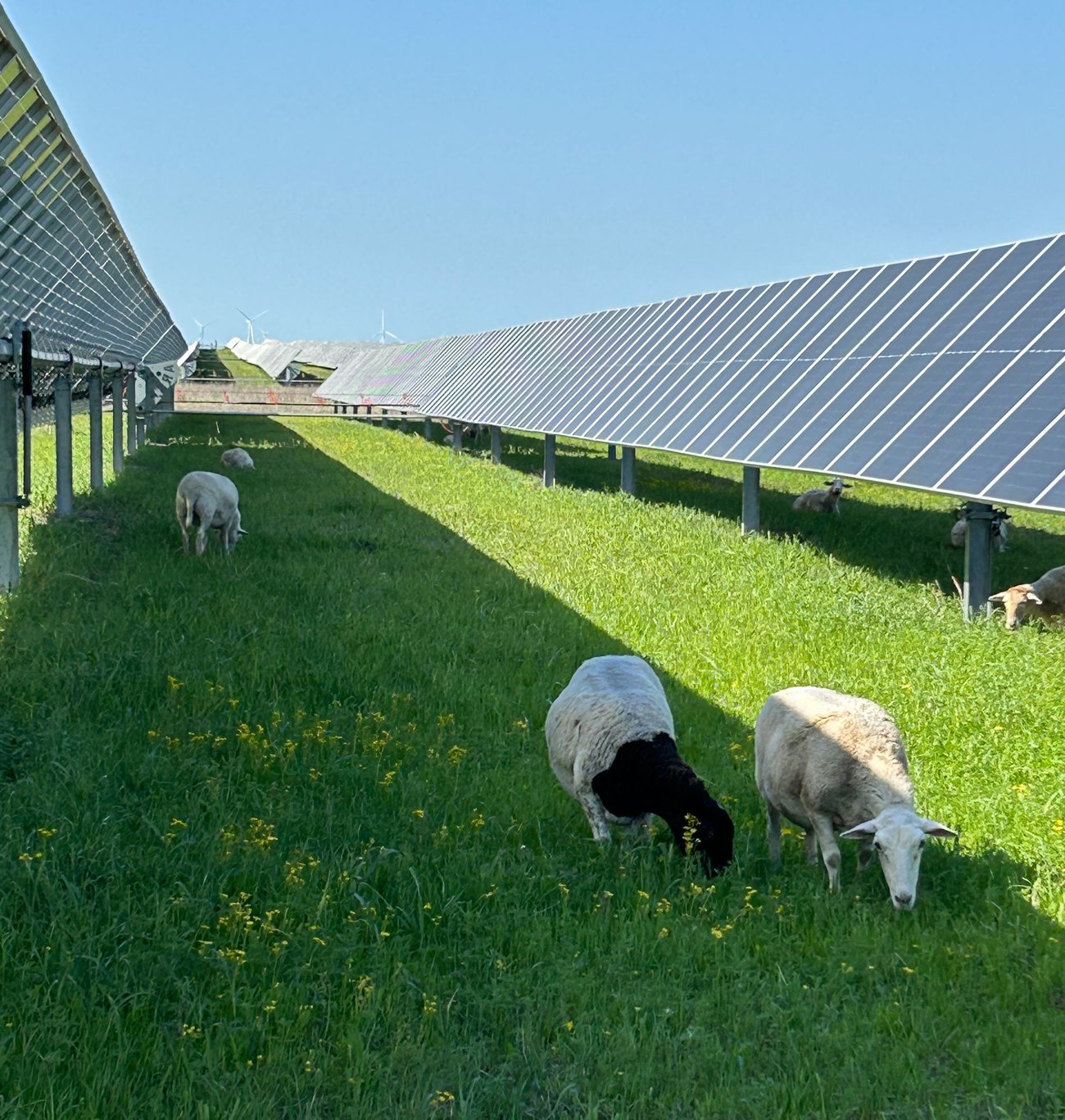
Energy Right will be going to Charlottesville, Culpeper, and Southampton next week!
Want to keep up with Energy Right? Sign up, and forward to a friend!