|
|
|
Happy Friday!
October 30, 2026
|
|
|
|
It’s been another busy week for Energy Right! Our team was travelling across Virginia to engage in discussions around energy development, land use, and community priorities.
We attended meetings in Powhatan County, where supervisors approved solar ordinance updates, and Charles City County, where proposed changes moved to the Planning Commission. We also followed zoning discussions in James City County and connected with residents and businesses in Kilmarnock. We believe community engagement and understanding is key for doing clean energy, the Right Way.
|
|
|
|
|
|
Dominion’s IRP Projections Raise Questions of Affordability in Virginia
|
 |
|
|
|
|
|
On October 15th, Dominion Energy filed its latest Integrated Resource Plan Update (IRP), in which it outlined that electric bills could rise by nearly 60% over the next 20 years. Currently, a typical residential customer using 1,000 kilowatt-hours of electricity per month pays approximately $180. Under Dominion’s preferred plan, that bill could reach nearly $285 per month by 2046. A separate State Corporation Commission calculation anticipates rates exceeding $458 per month. It is important to note that these are simply long-term projections, not already approved rate increases, but it does highlight the importance of ensuring Virginia can meet rising electricity demand without placing this level of financial burden on ratepayers. Virginia, and its ratepayers, simply cannot afford to overlook opportunities to bring new, affordable power onto the grid.
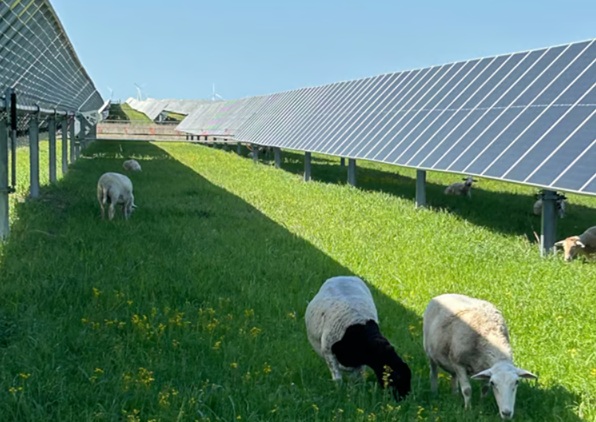
As we have discussed at length, solar and battery storage should be central to that effort. Utility-scale solar is among the cheapest sources of new electricity generation, while battery storage can help capture excess electricity and deliver it when demand rises or solar production declines. Both technologies can also be deployed significantly faster than many traditional generation resources, allowing Virginia to add capacity in a matter of years rather than waiting a decade or longer for some large-scale projects. Delaying new generation while electricity demand continues to climb will only increase pressure on the existing grid and force greater reliance on imported power, further increasing electricity bills. An all-of-the-above energy mix focused on building new solar and storage can help balance affordability, reliability, and long-term growth.
For Virginia ratepayers, the priority should be building enough electricity generation to keep pace with demand while making cost-conscious decisions about which resources can deliver power most efficiently and quickly. It’s clear that solar and storage offer an advantage due to the low cost and relatively short development timelines, but it’s also worth mentioning that new projects can generate local tax revenue, support rural economies, and give participating landowners another source of income through voluntary agreements with private developers. Virginia should continue pursuing an all-of-the-above energy strategy, but that cannot become an excuse to delay the resources that can be built most quickly and affordably. If the Commonwealth wants to truly protect consumers from mounting electricity costs, it must prioritize bringing more generation online now. The most effective way to address rising demand is not simply to regulate how much electricity Virginia uses, but to build more affordable power to serve it.
|
|
|
|
|
|
FROM THE ROAD
|
 |
|
|
|
This week, the Energy Right team traveled to the Town of Kilmarnock for a “Town Crawl” event featuring U.S. Senate candidate Bert Mizusawa. During the event, we had the opportunity to connect with local residents, visit businesses along South Main Street, and hear directly from community members about the issues and concerns that matter most.
|
|
|
|
What We’re Thinking
|
 |
|
Solar Innovations Continue While Silver Demand Rises
|
 |
|
|
|
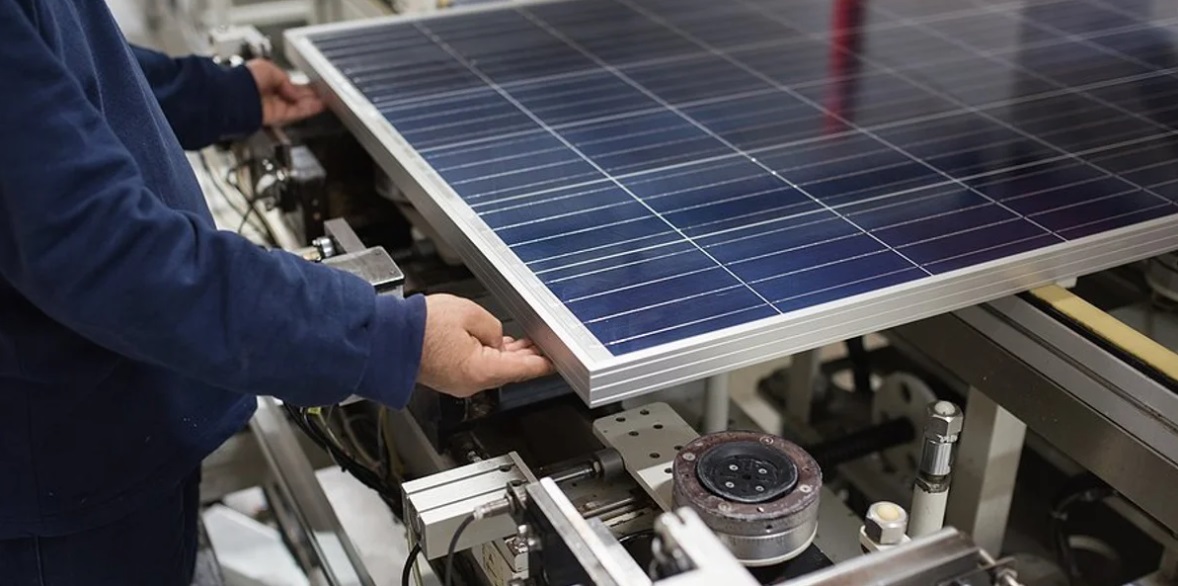
As solar continues to expand across the commonwealth, conversations we hear often relate to siting, project details, and ordinances—a less frequently discussed topic is what happens to panels at the end of their life. Recently, researchers in China developed a new method to recover silver from used solar cells without acids. A molten mix of potassium hydroxide and sodium hydroxide loosens the silver so the material can be collected without being dissolved into silver ions and recovered later. During testing, this method recovered roughly 94% of the silver while leaving the underlying silicon with limited damage. Currently, most silver recovery needs strong acids, which produce harmful emissions and acidic wastewater. While this new process is still being tested at laboratory scale, it offers a cleaner path to recovering a material that makes up just around 0.03% of the panel’s weight but almost half its value.
This research comes at a time when silver demand is increasing across nearly all industries. Groups like the Silver Institute and Metals Focus show that solar panels are using less silver this year, but demand from other electronics like vehicles, data centers, and other grid investments is expected to grow by about 9 million ounces, while the silver market is projected to be in about a 46 million-ounce deficit this year for the 6th straight year. As solar competes for this material and other industries continue to grow, recovering silver from decommissioned panels could ease pressure on the supply chain while creating a safer, more financially responsible recycling process.
The first generation of commercial solar panels is nearing the end of its 25- to 30-year lifespan, making it even more critical to seize technological advancements like this.. Here in the Commonwealth, projects are planned with decommissioning in mind; advances like this could give landowners and localities confidence that decommissioned panels will not just go to a landfill, but will be properly and adequately recycled. This is not to say recycling challenges have all been solved, but it shows that efforts are being made across the globe, and here at home, to ensure that when panels are decommissioned, they can do so without lasting impacts.
|
|
|
|
|
|
|
|
|
|
|
|
This week, the team went to Essex, Lancaster, and Powhatan counties as well as James City.
|
|
|
|
|
|
|
|
|
|
“Gov. Spanberger’s recently announced energy plan has sparked conversations across the commonwealth in boardrooms and among talking heads in Richmond. However, one portion of the plan that has drawn particular attention is how much land could be used for solar development. While the plan presents a range of possible scenarios, the high end calls for as much as 277,000 acres of solar development, a figure that has understandably prompted questions about how Virginia will balance its growing energy needs with protecting its farmland and forests…”
Read the full article here.
|
|
|
|
|
WHAT NEXT?
|
|
|
|
NEXT WEEK
We’ll be going to Henrico, King & Queen, and more!
|
|
|
|
|