|
|
|
Happy Friday!
October 2, 2026
|
|
|
|
The Energy Right team was a part of local energy conversations across Virginia. Discussions around new generation, infrastructure, and details of how projects fit within individual communities.
This week, our team followed discussions around Valley Link and solar development, joined residents in King & Queen County for a community meeting on a proposed solar project, and attended the Gloucester County Planning Commission as officials continued reviewing potential updates to local solar policies.
|
|
|
|
|
|
Energy Security Is National Security
|
 |
|
|
|
Yesterday, Secretary of War Pete Hegseth announced what he is calling “FORTRESS America,” putting a renewed national-security focus on something the military and utilities have worked toward for decades – becoming more energy independent. The initiative calls for major U.S. military installations to eventually generate their own power so bases can continue operating if the commercial grid is disrupted by cyberattacks, sabotage, severe weather, or other emergencies. Hegseth specifically described the goal as ensuring bases stay operational even if the grid goes down. This move by Hegseth recognizes a deep-rooted core principle of Energy Right: energy security is national security. America cannot have secure military installations, critical infrastructure, or a growing economy if the power needed to operate them depends on external factors.
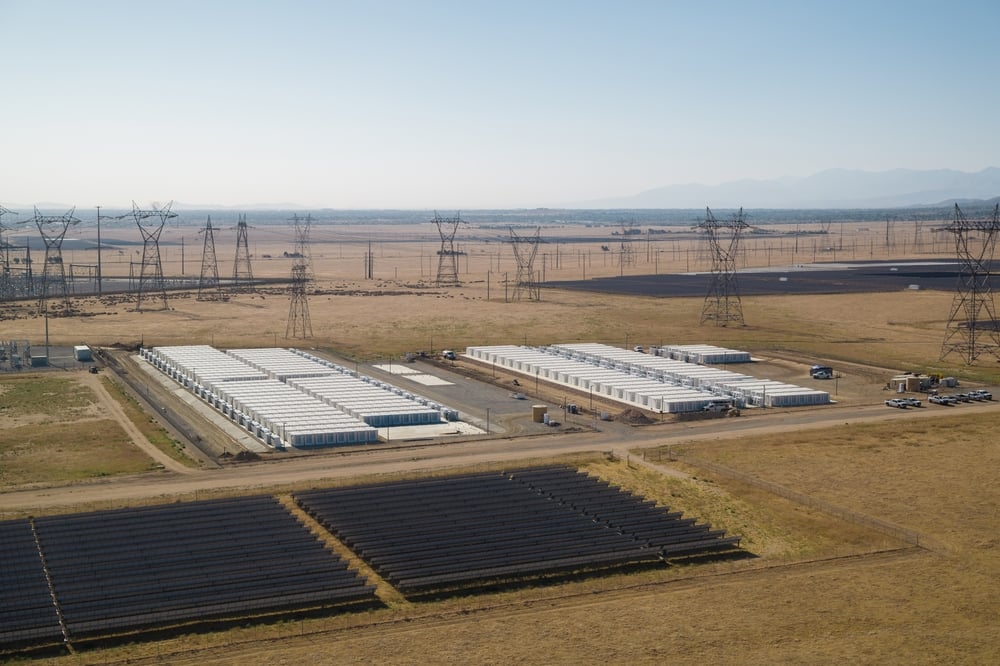
This is not a new concept. The military has spent years deploying solar, battery storage, microgrids, and other forms of on-site generation. At Fort Detrick in Maryland, an 18.6-megawatt solar facility that has operated since 2016 was paired with a 6 MW battery system in 2024 to improve energy security and power quality. Fort Hunter Liggett in California became the Army’s first installation with a renewable-only microgrid using solar generation and battery storage. At Kirtland Air Force Base in New Mexico, a Department of Energy-supported microgrid combines solar, batteries, and natural gas. These projects demonstrate that solar and storage are not theoretical technologies when it comes to military resilience. They already keep critical facilities operating when the larger grid is unavailable.
For Virginia and for the nation, this concept goes beyond military bases. We should continue building more American energy generation and additional layers of energy security. That means an all-of-the-above approach including nuclear, natural gas, solar, battery storage, and other technologies, while boosting the domestic generation needed to meet growing demand. The Army is already using underutilized military land for new power-generation projects, why isn’t the rest of the country? Energy Right believes the same principle should guide energy policy beyond the fence line – produce more power here, diversify how we generate and store it, strengthen the grid, and reduce our dependence on power imported from elsewhere. Energy independence is not simply an economic objective, it is a security objective, and expanding reliable American energy generation is an important part of strengthening both.
Ultimately, energy security comes down to having more options, more generation, and more resilience. Adding new sources of electricity gives communities, states, and the military greater flexibility when demand rises or the grid faces a disruption. Solar and battery storage can provide generation and backup power and be built quicker than any other generation source, while nuclear, natural gas, and other resources provide additional layers of reliability. The goal should not be to choose one technology over another, but to build enough diverse, domestic energy resources to ensure Americans have the power they need when they need it. For Energy Right, expanding energy generation is a critical part of strengthening our national security, economic security, and energy independence.
|
|
|
|
|
|
FROM THE ROAD
|
 |
|
|
|
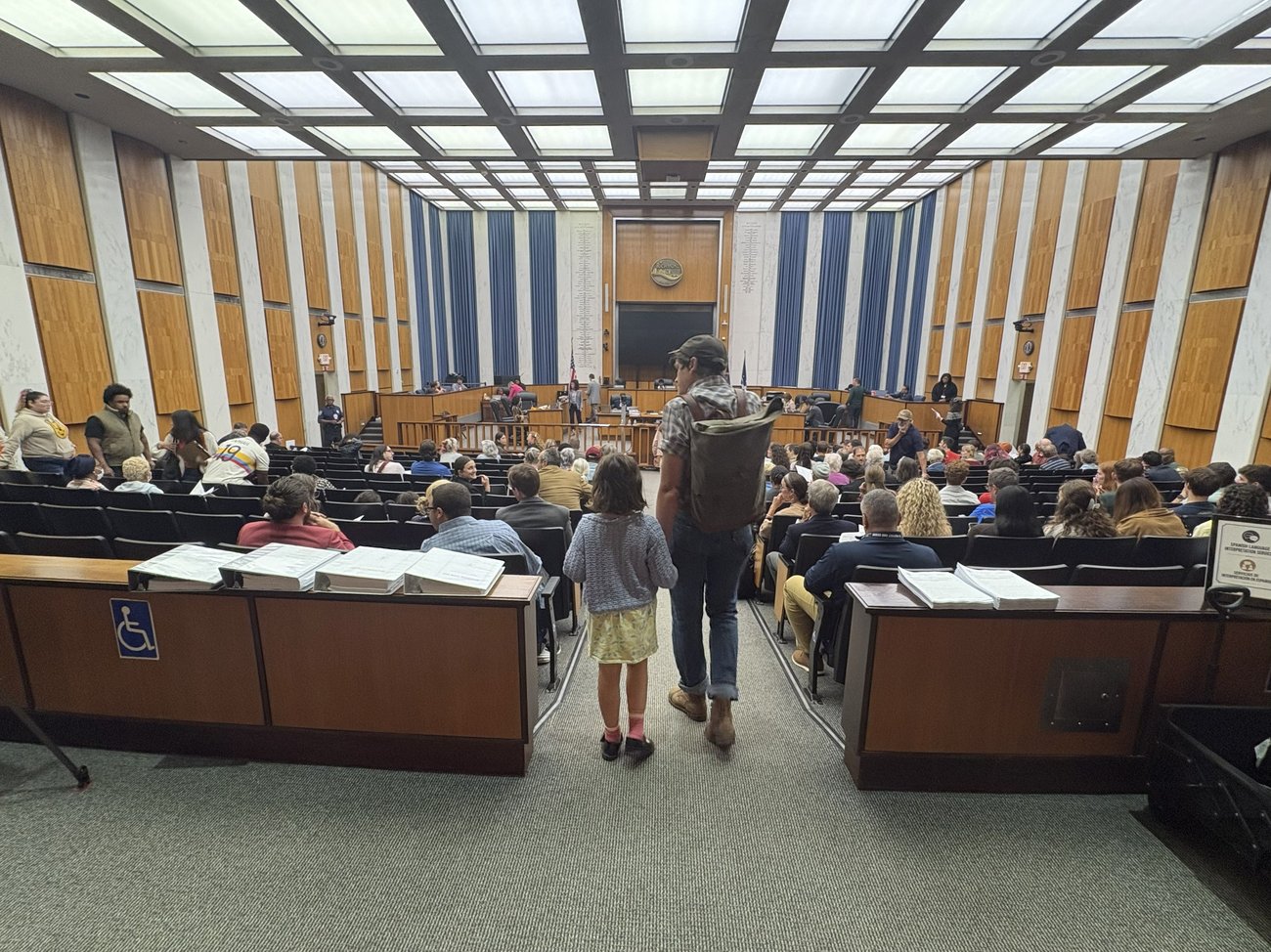
On Monday evening, The Energy Right team attended a Richmond City Council meeting focused on the addition of solar panels to city-owned buildings. There were numerous citizens and environmental groups in attendance supporting the proposal. After much deliberation from city council members the project was denied. Council members expressed concern with the information they had been provided and wanted to ensure the city would not take on too much risk.
|
|
|
|
What We’re Thinking
|
 |
|
What a Solar Project Can Do for Its Neighbors
|
 |
|
Natural Bridge State Park
|
|
|
|
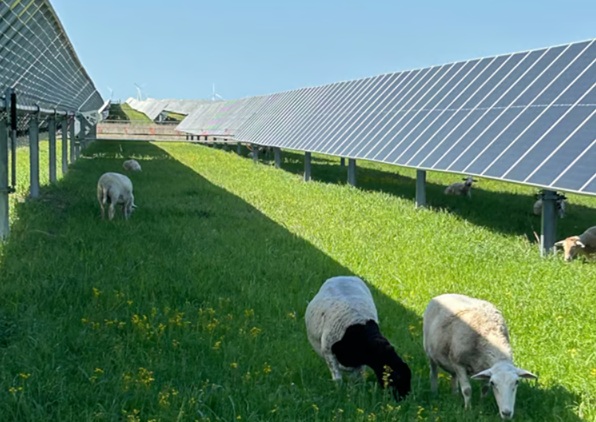
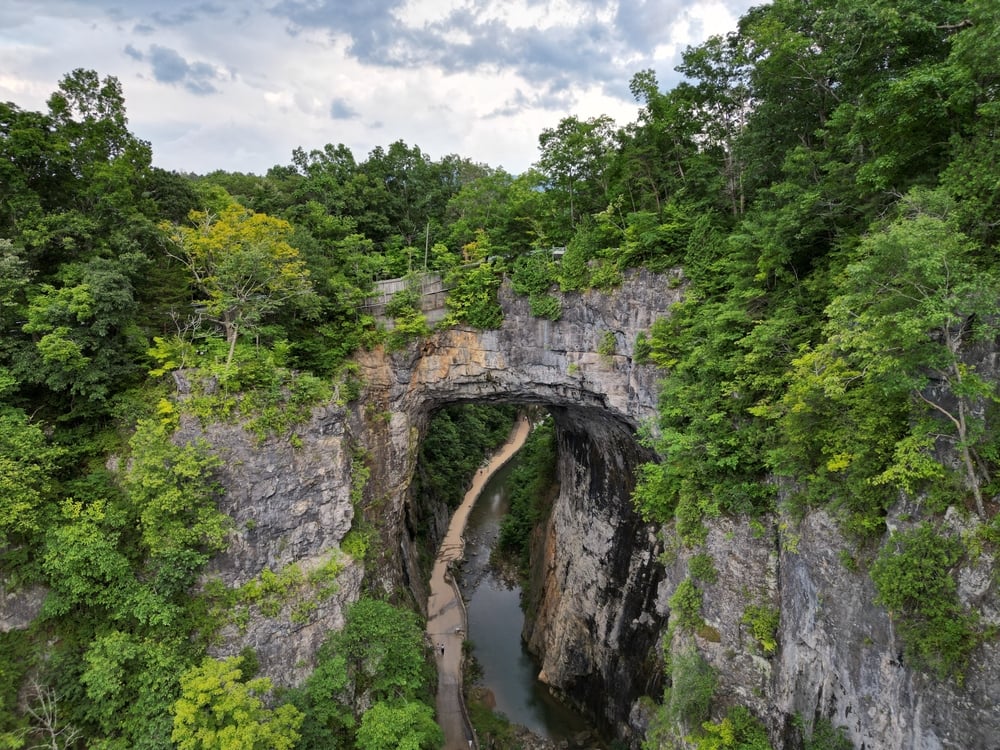
In Natural Bridge, a community meeting this week offered a good reminder that energy projects are ultimately about the people who live around them. Natural Bridge is a deeply rural community, where families have ties to the land that stretch back generations. This is not simply where people live. For many, it is home, family, and a way of life.
What stood out most about the meeting was not the presence of supporters or opponents, but how many of the project’s immediate neighbors showed up. Nearly every neighbor adjacent to the project, or within just a few blocks, was there. That level of direct participation is not something you see at every community meeting. Most often, a meeting draws a handful of nearby residents alongside people from outside the immediate area. Here, the people with the closest connection to the project were in the room, asking questions and sharing concerns. Most were opposed to the project, but their presence created something valuable: an opportunity for open dialogue and direct communication. Neighbors could hear from the developer themselves, rather than relying on information passed through the community and potentially changed along the way.
A recurring question from residents was a simple one: “What does it do for me?” That is a fair question, particularly for people who have lived beside the same land and infrastructure for decades. The project could potentially participate in a shared solar program, creating a more direct connection between the project and local electricity customers. But one of the more tangible benefits discussed was something that may be easy to overlook: the infrastructure improvements required to bring a project online.
One resident explained that the power lines running alongside the project are more than 60 years old, with very few meaningful upgrades made during his lifetime living next door. On a breezy day, his power can go out, and during severe weather, it can remain out for hours. A project like this would require upgrades to the lines, equipment, and other components to meet modern interconnection requirements. Those improvements are being made because of the project, but their value extends beyond the project itself. Stronger lines and newer equipment can help keep power on, restore service sooner when outages occur, and leave the local system better prepared for whatever comes next.
That benefit may never appear as a line item on someone’s electric bill, and it may not be the first thing people think about when they hear “solar project.” But replacing 60-year-old infrastructure with a modern, hardened system can make a real difference in a rural community. Sometimes the most meaningful changes happen quietly, in the infrastructure underneath and alongside a project, making the community a little more resilient without much fanfare.
|
|
|
|
|
|
|
|
|
|
|
|
This week, the Energy Right team travelled to Buckingham, Gloucester, King & Queen, and Rockbridge counties!
|
|
|
|
|
|
|
|
|
|
Solar generation surpassed nuclear power globally for the first time in 2025, according to the World Nuclear Industry Status Report 2026. Solar generation grew 30% year over year, while global solar capacity expanded 27% to 2,383 GW. The report also points to rapid battery deployment as an important part of renewable growth, while nuclear expansion remains concentrated largely in China and Russia and faces lengthy construction timelines.
|
|
|
|
|
WHAT NEXT?
|
|
|
|
NEXT WEEK
We’ll be going to Brunswick, Charles City, Essex, Louisa, Lunenburg, and Powhatan counties.
|
|
|
|
|
|
|