Happy Friday!
June 19, 2026
This week, the Energy Right team participated in discussions spanning both federal and local energy issues. From an energy-focused conversation with Congressman Rob Wittman to public hearings in Halifax County on solar development and battery energy storage policies. There are many ways to approach new energy, and we believe in doing it the Right Way.
The Farmland Myth: What the Data Says About Solar Development
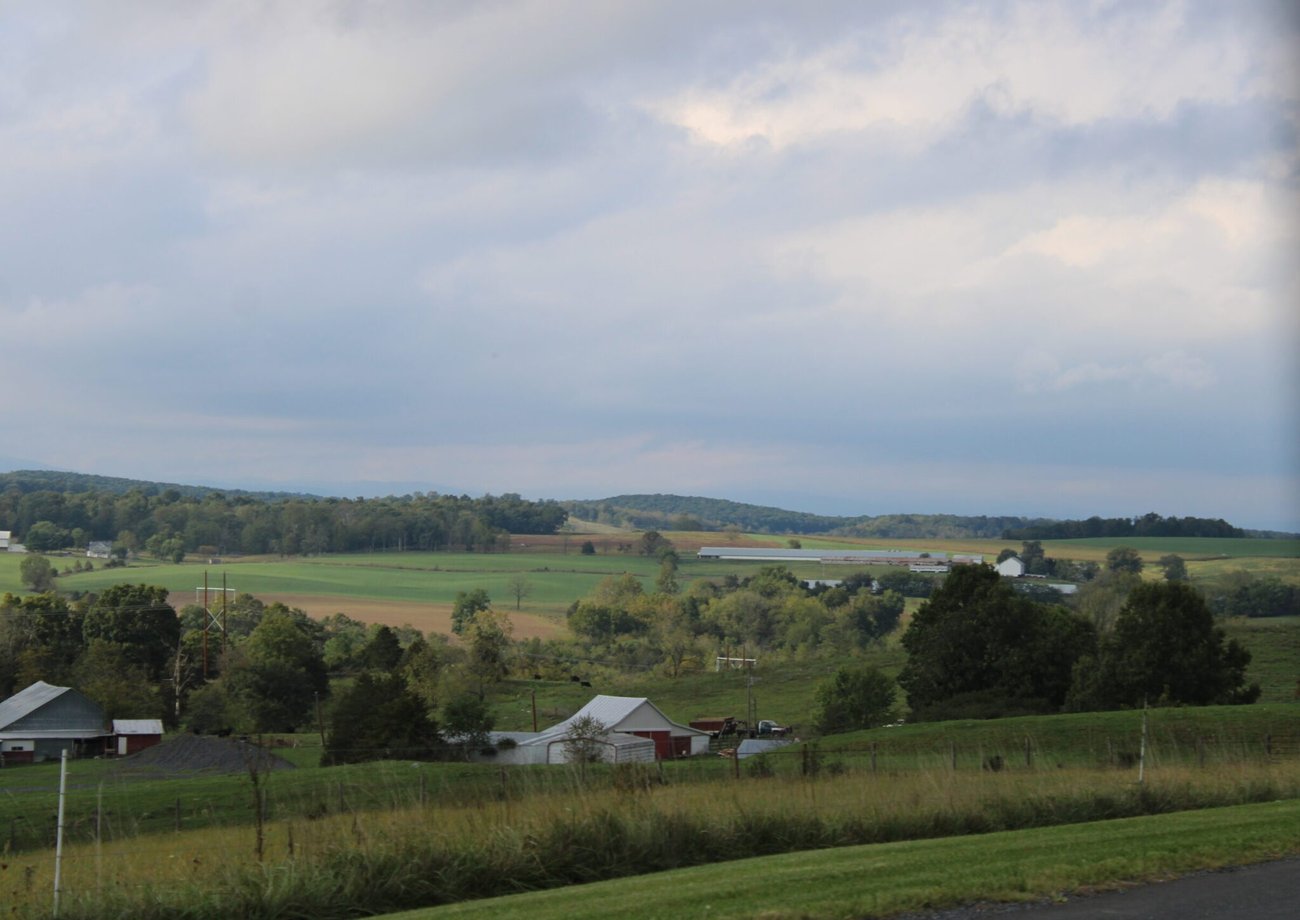
One of the most common misconceptions that we at Energy Right hear about solar energy in Virginia and across the United States is that solar development takes over farmland and threatens agriculture. However, new research released on June 18th from the Solar Energy Industries Association (SEIA) tells a very different story. According to SEIA, all solar development in the United States currently occupies just 0.07% of the nation’s prime agricultural land, and no state uses more than 0.5% of prime farmland for solar, demonstrating that solar’s footprint remains relatively small compared to the land available for farming. On the contrary, millions of acres of farmland are lost each year to residential, commercial, and industrial development, with suburban expansion in the U.S. using 5.9 times as much prime farmland from 2014 to 2024 as solar did during the same period. In Virginia, that story remains the same. Of the 11,662.5 square miles of USDA prime farmland in Virginia, just 43.8 square miles are used for solar.
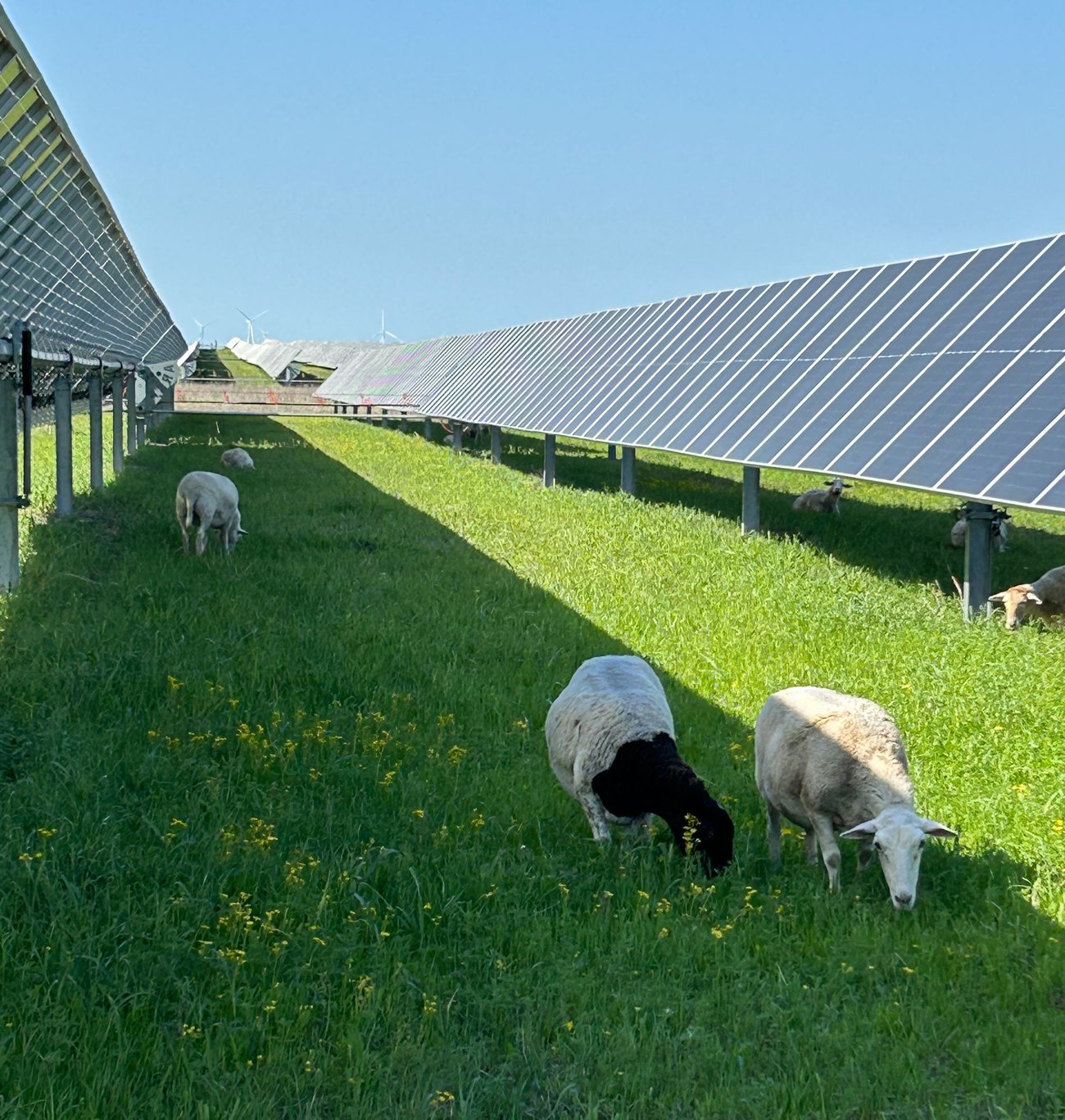
With the rise of agrivoltaics, solar development also does not necessarily mean the end of agricultural production on any given land parcel. In fact, solar is one of the least disruptive forms of energy development and provides stable, long-term income for farmers and rural communities. Many projects incorporate practices such as sheep grazing, pollinator-friendly vegetation, and other forms of agrivoltaics that allow farming activities to continue alongside energy production. For many landowners, solar provides a stable source of income that helps preserve family farms and prevents land from being permanently converted to other forms of development. Rather than competing with agriculture, solar can serve as an additional crop that enhances farm profitability and helps keep land in agricultural hands for future generations.
The reality is that meeting America’s growing electricity demand will require thoughtful land use, but the data shows that fears of solar taking over farmland are simply overstated. In Virginia, where affordability and reliability concerns are driving demand for new energy resources, responsible solar development offers an opportunity to support both agriculture and energy security. By focusing on facts and recognizing that solar is not, in fact, taking over farmland, communities can have more productive conversations about how to balance farmland preservation with the need to build the infrastructure that will power the Commonwealth’s future.
What We’re Thinking
Keep Working Lands… Working
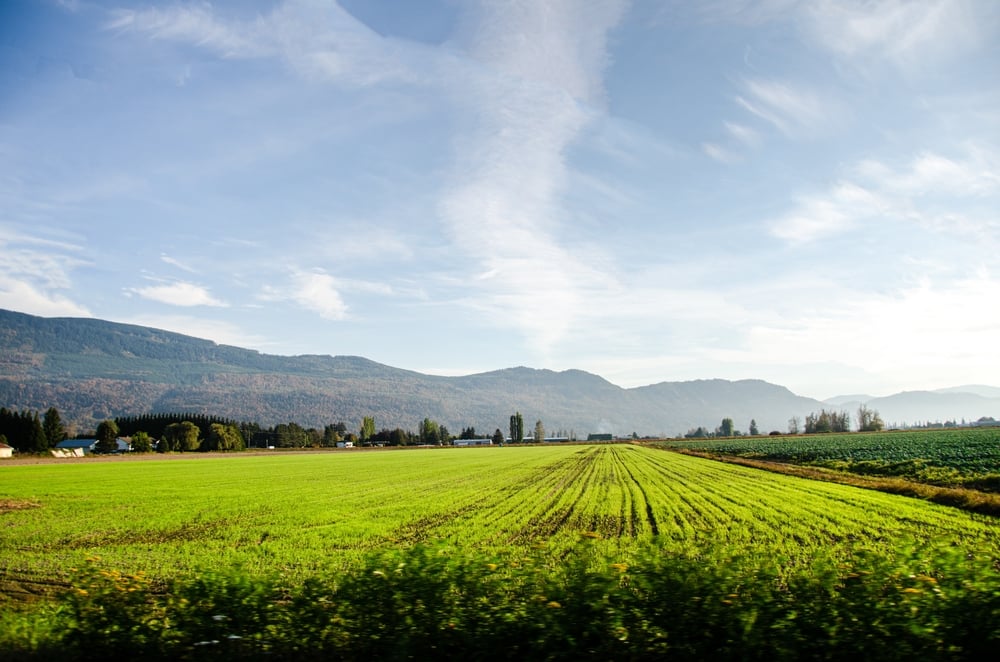
Governor Abigail Spanberger recently signed legislation—SB 254/HB 807 for Dominion Energy and SB 255/HB 809 for Appalachian Power—significantly expanding Virginia’s community solar program. The legislation increases available community solar capacity from 250 megawatts to 875 megawatts, creating new opportunities for consumers, landowners, and local communities while helping meet the Commonwealth’s growing demand for electricity. As Virginia continues to balance affordability, reliability, and economic growth, community solar is emerging as an increasingly important part of the state’s energy portfolio.
Community solar allows residents who may not own a home, have shaded roofs, or otherwise cannot install rooftop solar to subscribe to a nearby solar project and receive credits on their electric bills. Industry estimates suggest participating households could save roughly 10% on energy costs. By expanding access to locally generated electricity, community solar provides more Virginians with an opportunity to benefit from clean energy while supporting additional generation closer to where power is consumed.
The expansion also creates new opportunities for farmers and landowners across Virginia. One example is Steve and Chris Ault of Prince Edward County, who leased a portion of their farm for a 5 MW shared solar project developed by Dimension Energy, a site featured during Energy Right’s 2025 Sunshine Tour. The project provides a stable source of farm income while maintaining agricultural activity through sheep grazing beneath the panels. Demand for community solar has already proven strong, with Dominion Energy’s original program serving tens of thousands of customers across more than 50 projects and Appalachian Power’s initial program quickly reaching full subscription. As interest continues to grow, the expanded program will provide additional pathways for both energy production and rural economic development.
Where We Went

This week, Energy Right went to Chesterfield, Halifax, and Prince Edward counties.
FROM THE ROAD
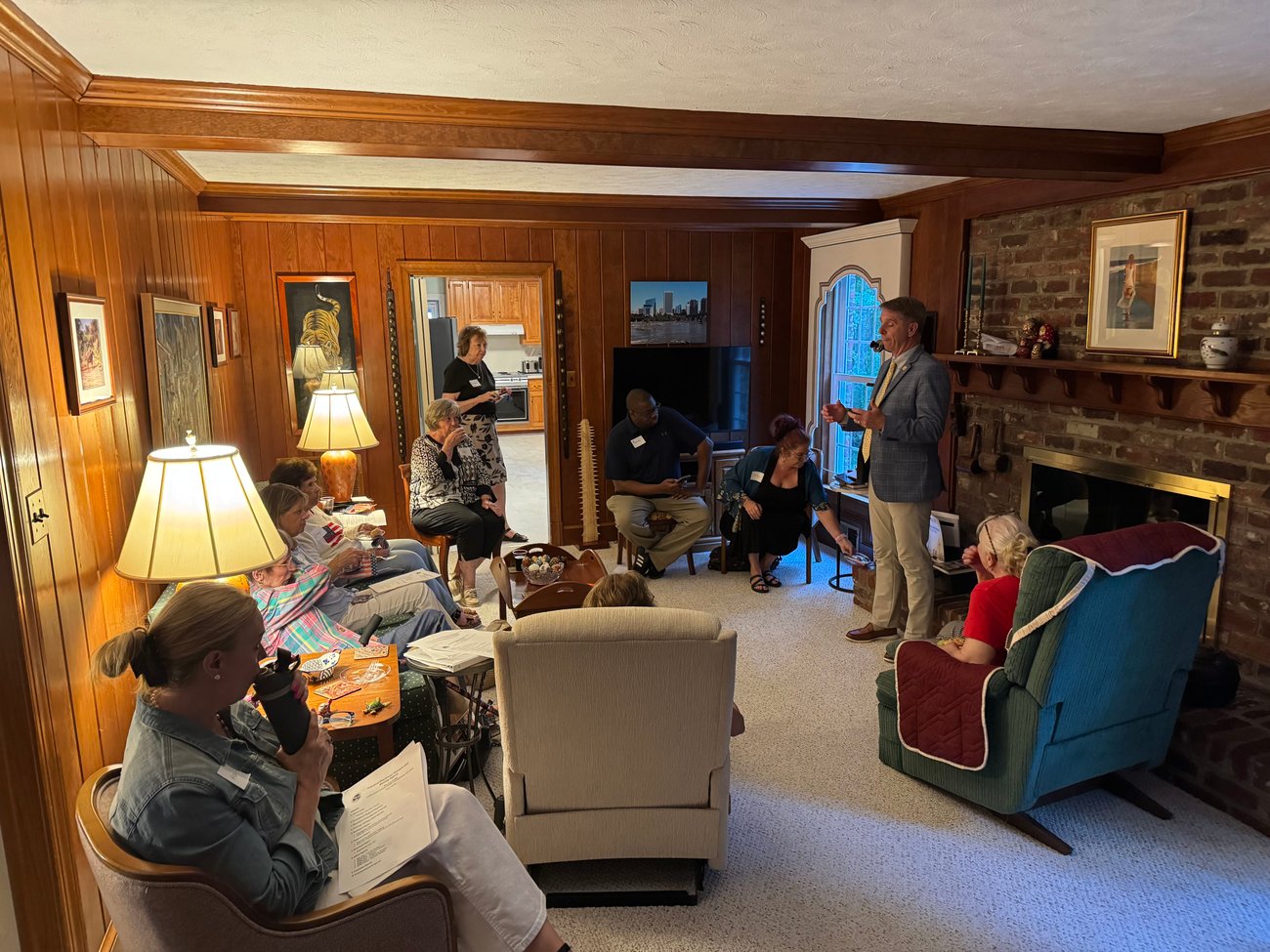
On Monday, the Energy Right team attended an Energy Fireside Chat with Congressman Rob Wittman, hosted by the Huguenot Republican Women’s Club. During the discussion, Congressman Wittman provided updates on several energy issues impacting Virginia, including offshore wind development, the continued growth of data centers, and the latest developments surrounding small modular reactors (SMRs)
WHAT NEXT?
NEXT WEEK
We’ll be going to Caroline County and more to follow!
Recent News
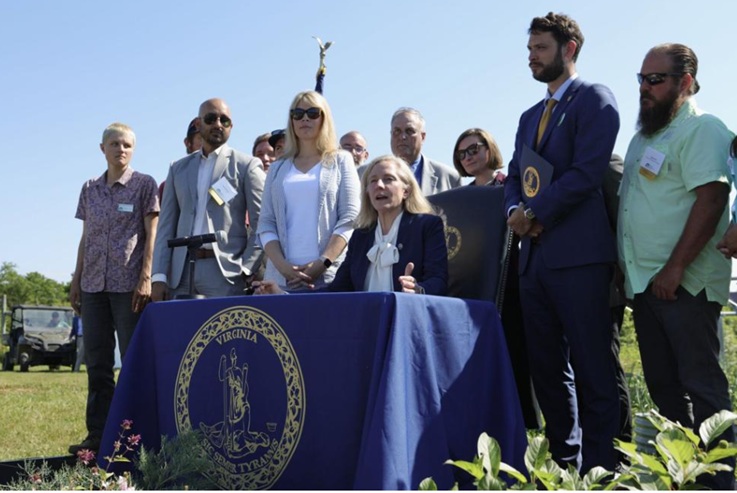
Governor comes to Aldie to sign bill on agriculture, solar energy
– Loudon Times
Virginia officially established a statewide definition for agrivoltaics this month as Gov. Abigail Spanberger signed legislation recognizing the co-location of solar energy and agricultural production. The new law emphasizes a farmer-first approach, ensuring solar development can complement rather than replace farming activities.
The bill was signed at the Piedmont Environmental Council’s agrivoltaics demonstration site in Loudoun County, where crops are grown beneath solar panels. Supporters say the measure will help expand opportunities for farmers, strengthen rural economies, and provide a framework for integrating agriculture and energy production as Virginia works to meet growing electricity demand.
Want to keep up with Energy Right? Sign up, and forward to a friend!