Happy Friday!
August 7, 2026
The America First Energy Project here to bring you our perspective and matters we know are important for the community, decision makers, and economy of a strong, energy-independent state.
Louisiana, Nuclear, and the Next Steps
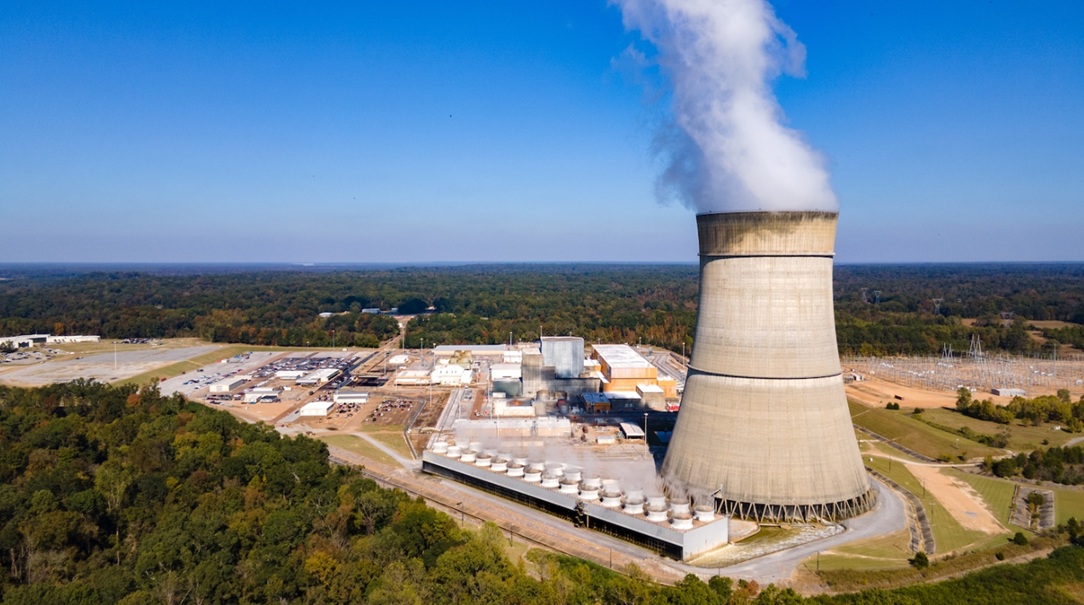
Louisiana has always been a leader in the energy industry. From oil and natural gas to petrochemicals, and now renewable energy, we’ve helped power America’s economy for generations. Now our state has another opportunity to help shape the nation’s energy future. The U.S. Department of Energy recently selected Louisiana as one of five states to continue exploring the development of a Nuclear Lifecycle Innovation Campus. While this is only the beginning of the process, it is another sign that Louisiana is well positioned to lead as our country’s energy needs continue to grow. As electricity demand continues to rise due to new manufacturing, data centers, and a growing population, Louisiana will need every reliable energy resource to remain competitive and a leader in the energy renaissance, and Governor Landry agrees.
“This invitation for Louisiana to advance our nation’s energy security and dominance is a clear sign that our state is well aligned with President Trump’s vision for powering America’s future,” Governor Jeff Landry said. “In launching our Nuclear Strategic Framework, Louisiana signaled we were ready to lead the next era of nuclear energy. This announcement reaffirms our position as a leader in the nuclear renaissance.”
The proposal builds on strengths we already have. The Baton Rouge area could support uranium enrichment and research through our existing industrial infrastructure and universities. Northwest Louisiana has become a prime location for data centers and advanced manufacturing, industries that will require enormous amounts of reliable electricity, making small modular reactors and microreactors a technology worth exploring as part of Louisiana’s broader energy mix. At the same time, this opportunity should not be viewed as choosing one energy source over another, but expanding one of Louisiana’s competitive advantages: a diverse energy portfolio. Combined with our existing nuclear facilities at River Bend and Waterford 3, Louisiana has the workforce, experience, and energy culture to compete for investment that could bring thousands of high-paying jobs and billions of dollars in economic activity.
One part of the proposal that has generated the most discussion is the concept of studying offshore salt domes in federal waters, rather than on Louisiana land, as a potential long-term storage solution for spent nuclear fuel. Salt formations have been studied for decades because they are among the most stable geologic formations in the world, making them a leading candidate for underground storage. That, however, does not mean every proposal is the right proposal. As this proposal is discussed, it is important to note that communities in Louisiana should never be expected to simply accept major energy projects without transparent information and an opportunity to ask questions. Any proposal must earn the public’s trust through rigorous review, and will require extensive scientific studies, environmental analysis, and federal permitting before moving forward. If Louisiana is going to be part of that conversation, it should insist that safety remain the highest priority.
This proposal, however, is interesting, and it is important to recognize that meeting America’s growing demand for electricity will require an all-of-the-above energy strategy. While solar and battery storage are among the quickest and most cost-effective to develop, no single technology can do it alone. Natural gas, nuclear, solar, wind, battery storage, and other energy technologies all have a role to play if we want to maintain reliability, keep electricity affordable, and continue attracting jobs and investment to Louisiana. Being selected by the Department of Energy does not guarantee this project will happen, but it does give our state a seat at the table. That’s exactly where Louisiana belongs as we help shape America’s next chapter of energy innovation, demonstrating that thoughtful energy policy, adequate community engagement, and an all-of-the-above energy mix can strengthen both our economy and the nation’s energy security.
From the Road
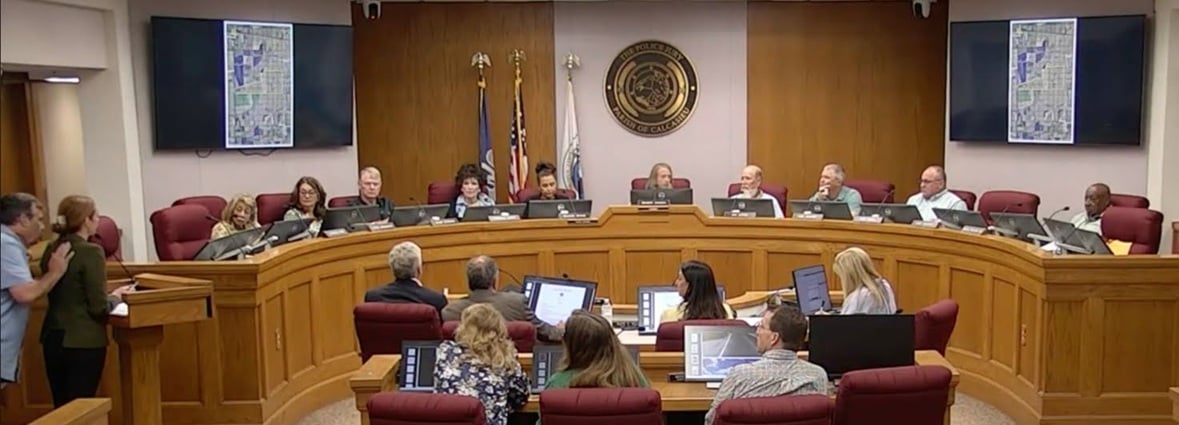
Energy Right’s America First Energy Project Louisiana attended and spoke in Calcasieu Parish at a public hearing in support of a solar/battery project and at a Lunch and Learn for Elected and Community Leaders on another proposed solar project.
Where We Went
The AFE team was in Calcasieu,
East Feliciana, and Evangeline parishes!
Where To Next
We’ll be going to Morehouse, Ouachita, and Richland!
WHAT WE READ
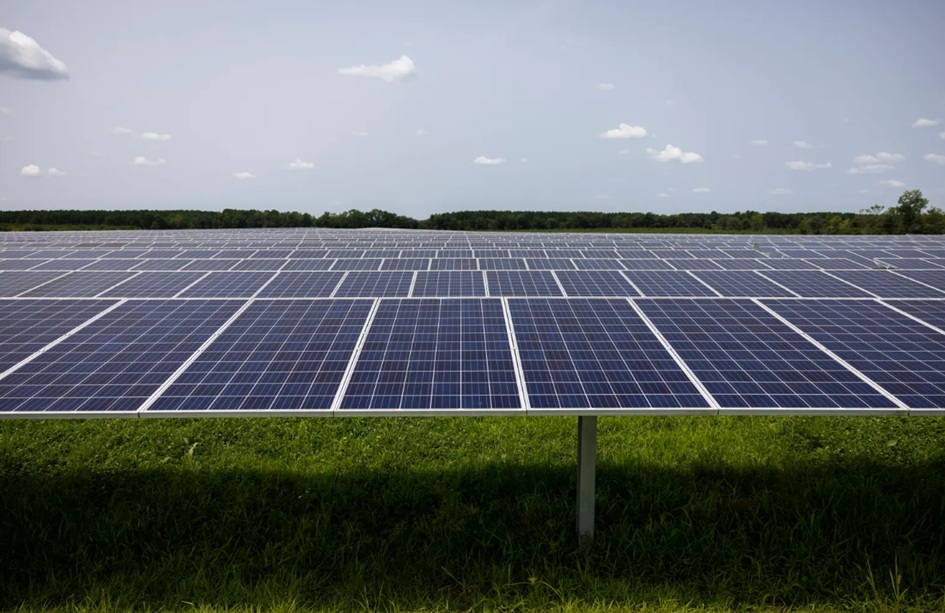
Solar panel misinformation, spread by bots and by neighbors, derailed a project in Cajun Country
– Louisiana Illuminator
Solar development is growing across Louisiana, but misinformation and restrictive local policies remain significant hurdles. In Iberia Parish, a half-mile setback effectively stalled a proposed $175 million solar project amid concerns experts say are largely unsupported by research. Meanwhile, Louisiana has 19 operating solar projects, and researchers estimate even the highest projected solar buildout would affect only about 1% of the state’s farmland over the next decade. Solar is also delivering local investment, tax revenue, and manufacturing jobs—including a $1 billion panel manufacturing facility in Iberia Parish.
Want to keep up with the America First Energy Project? Sign up, or forward to a friend!