Happy Friday!
August 7, 2026
This week, the Energy Right team was across the Commonwealth, from Culpeper to Petersburg. In Petersburg, Congressman Rob Wittman led a discussion on affordability and the important of an all-of-the-above energy plan, sharing his thoughts on the important of strengthening domestic energy supply and reducing our reliance on foreign sources for grid security.
Solar: One Piece of the Puzzle

As an education non-profit, one of the most common questions we hear is whether solar can power Virginia’s entire electric grid. The honest answer is no, but that’s not the whole story. No single energy source can meet all of the Commonwealth’s growing electricity needs on its own. As Virginia continues to attract new businesses, expand manufacturing, and experience the rapid growth of data centers, the real challenge isn’t choosing one technology over another, but building an energy mix that brings together the strengths of an all-of-the-above energy portfolio to deliver reliable and affordable electricity. For some reason, our energy debate has become an all-or-nothing conversation: when opponents address the fact that solar can’t power our grid completely, they say we shouldn’t build solar at all.
Solar has become an important part of Virginia’s energy grid because it can be deployed quickly and cost-effectively. When paired with battery storage, it helps deliver power when it’s needed most. That doesn’t mean solar replaces other energy sources – it complements them. Every technology has a role to play, and the best energy policy recognizes that no single resource is a quick fix. Instead of getting caught up in all-or-nothing debates, we should prioritize practical solutions that keep the lights on, support economic growth, and ensure Virginia has the energy it needs for the future.
Just as importantly, our conversations about energy should be rooted in facts, not misconceptions. Whether it’s concerns about reliability or questions about land use, honest conversations backed by factual information lead to better decisions. Virginia’s energy future will depend on our willingness to look beyond simple talking points, sweeping generalizations, and embrace an all-of-the-above approach that balances affordability, reliability, responsible development, and long-term energy security.
FROM THE ROAD
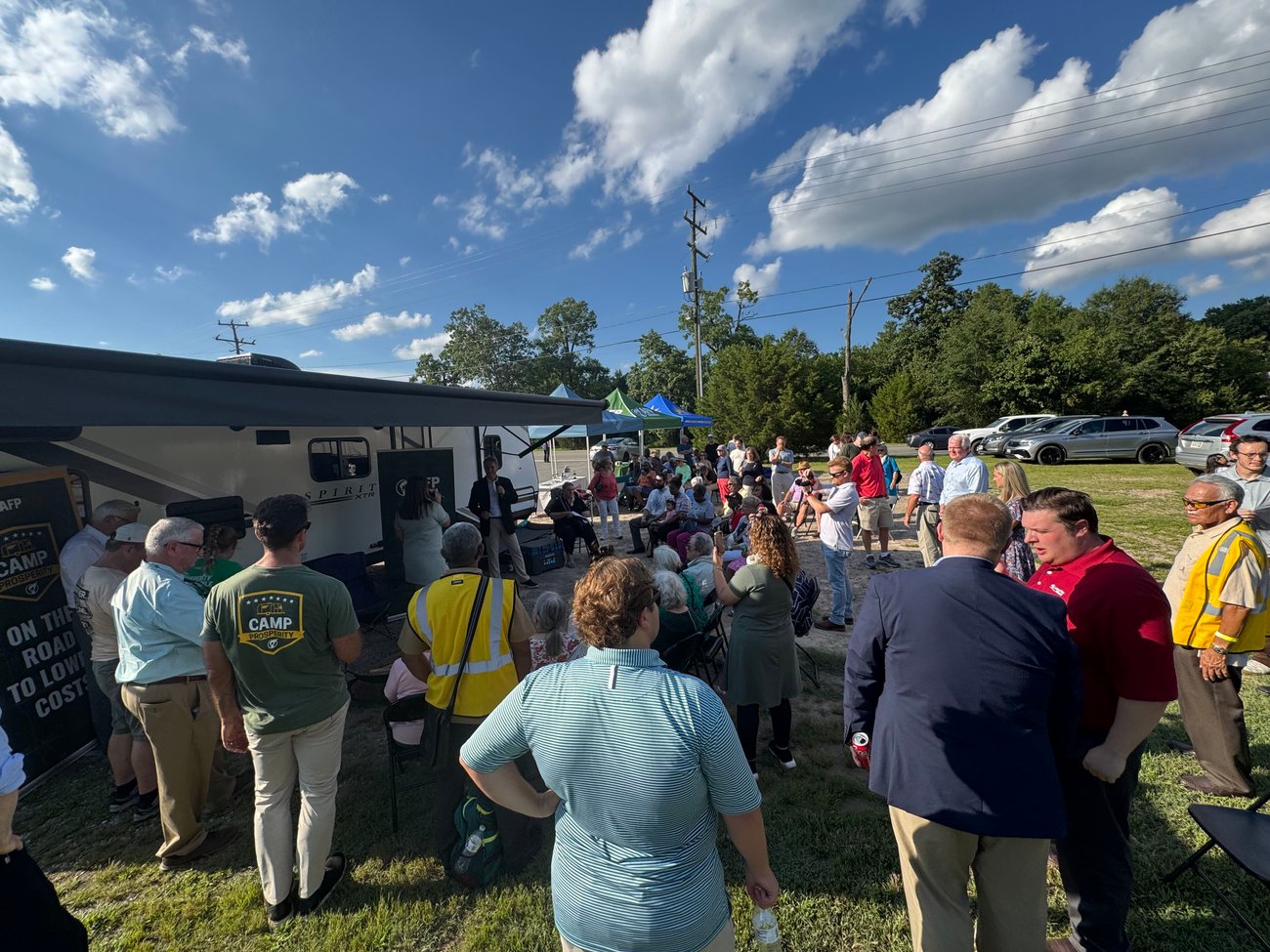
This week, the Energy Right team attended an event at the Glen Allen Supermarket in Henrico County featuring Congressman Rob Wittman. The discussion centered on affordability and the priorities that he and his colleagues are focused on in Washington, D.C. In particular, he stressed reducing America’s reliance on foreign adversaries, such as China, for rare earth minerals and other key components that play an essential role in the nation’s energy and manufacturing sectors.
What We’re Thinking
Energy Town Halls Matter
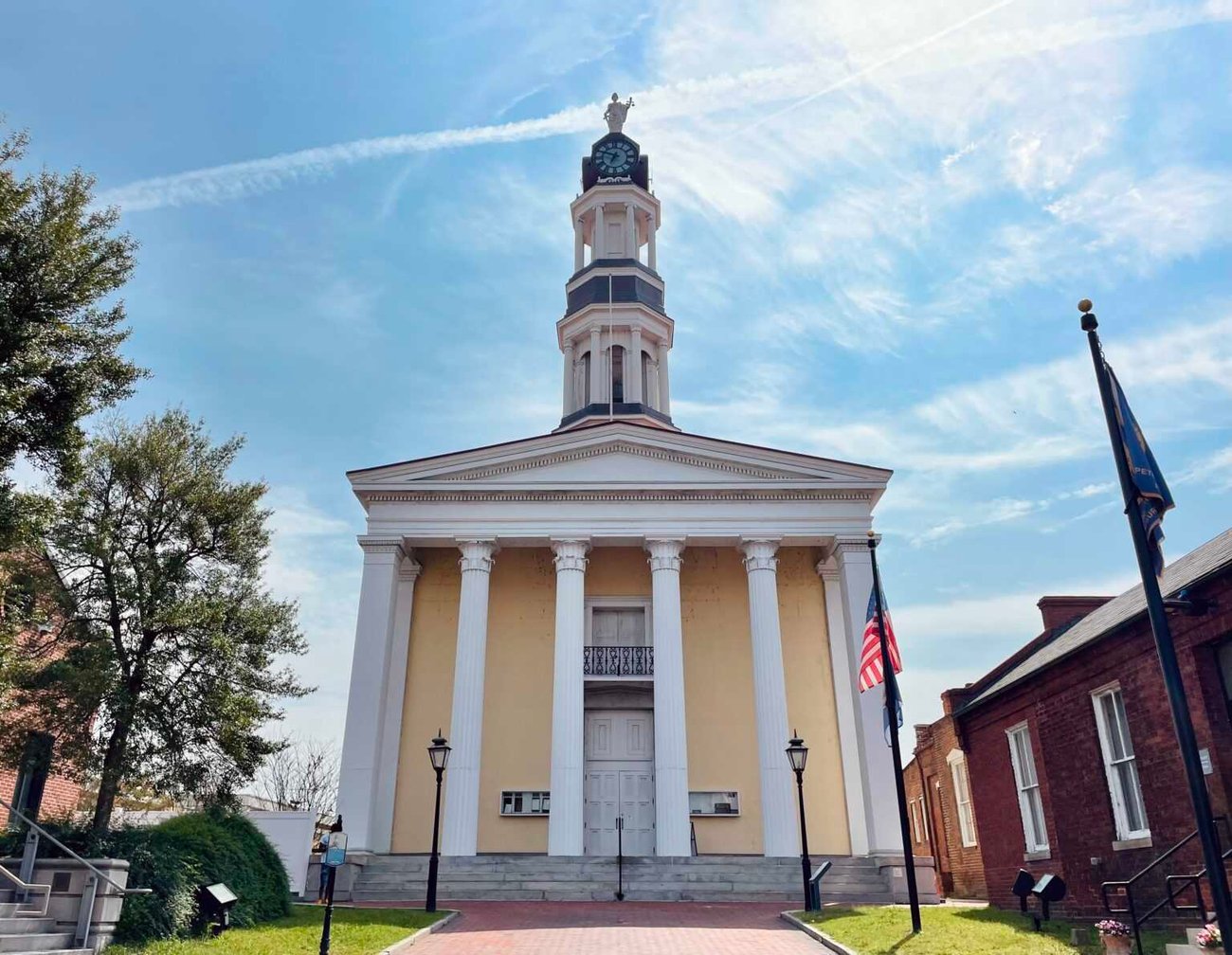
The recent energy town hall in Petersburg demonstrates exactly why open, honest conversations with the public are critical to Virginia’s energy future. When communities are given the opportunity to voice their concerns, ask difficult questions, and hear directly from policymakers and energy experts, those conversations help identify the issues that need to be addressed before new policies are put into place. Energy policy shouldn’t be developed in a vacuum. It should be informed by the people who live with the outcome of those decisions, and by the communities experiencing firsthand the impacts of Virginia’s growing energy demand.
The discussion surrounding data center development in Petersburg is a perfect example. Data centers are bringing significant new electricity demand to communities across Virginia, but the conversation isn’t stopping at whether a community supports or opposes a particular development. The larger question is whether Virginia has the generation, transmission, distribution, and reliability resources necessary to support that growth without compromising the security or affordability of the electric grid. That requires looking at the entire energy system, not just one source of generation or one type of customer.
This is why an all-of-the-above energy strategy is essential. Virginia should pursue every reasonable resource that can help meet growing demand, including natural gas, nuclear, solar, battery storage, and other emerging technologies. Solar and battery storage can often be deployed quickly and can provide valuable resources to the grid, while nuclear and natural gas can provide dependable generation and help support reliability. The goal should not be to pick winners and losers. The goal should be to build an energy system capable of meeting Virginia’s needs safely, reliably, affordably, and for the long term.
Most importantly, new development shouldn’t move faster than the infrastructure needed to support it. Whether the growth comes from data centers, manufacturing, housing, or other economic development, Virginia must ensure that new demand has a secure and reliable path to electricity. That means planning generation and transmission alongside economic development rather than trying to build the grid after the fact.
We see public town halls and open discussions as an important part of making that happen. These conversations give Virginians a seat at the table, help policymakers understand local concerns, and create an opportunity to educate communities about the realities and tradeoffs of an evolving energy system. Good energy policy comes from listening, understanding the challenges, and then developing practical solutions that protect communities while giving Virginia the energy infrastructure it needs to grow.
Where We Went

This week, the Energy Right team was in Culpeper, Henrico, King & Queen, & Orange counties as well as Petersburg!
Recent News
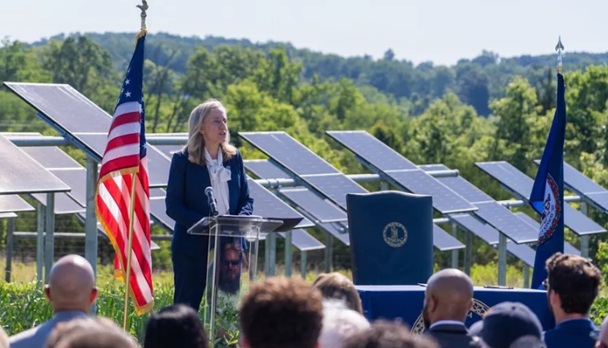
Virginia lays groundwork to combine more solar with farming
– Canary Media
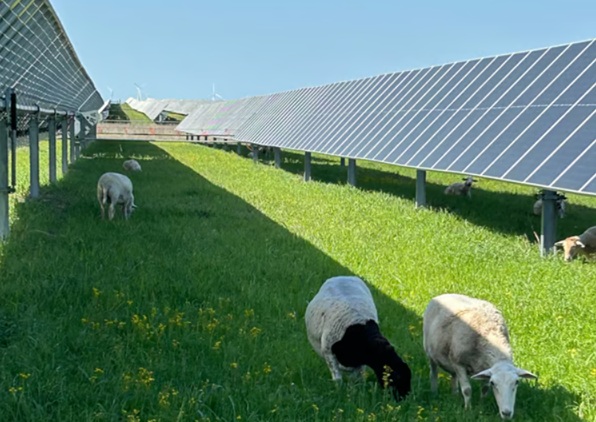
Virginia’s new agrivoltaics law formally recognizes the dual use of land for solar generation and agriculture, creating new opportunities for farmers while supporting the Commonwealth’s growing electricity needs. With roughly 13 agrivoltaic projects already operating statewide, practices like sheep grazing, crop production, and other agricultural uses can continue alongside solar generation. For farmers, these projects can provide supplemental income and help keep land economically viable and in agricultural use. As Virginia works to balance farmland preservation with rising energy demand, agrivoltaics offers a practical example of how agriculture and clean energy can grow together.
WHAT NEXT?
NEXT WEEK
We’ll be going to Cumberland, King & Queen, Lunenburg, New Kent, & Orange!