Happy Friday!
June 12, 2026
This week, the Energy Right visited over a half a dozen counties! Attending meetings in Caroline, Brunswick, Culpeper, Chesapeake, and Southampton—the discussions ranged from local solar and battery energy storage policies to the implementation of new state legislation, as well as ongoing project reviews. Though the conversations are different for each county, what’s clear is that the discussion of energy infrastructure and community resilience is more important now than ever.
Counties Prepare for Enactment:
A Path Through the New Policies

During the 2026 General Assembly session, the legislature passed several significant energy bills related to local control. As the Commonwealth looks at different ways to meet rising demand while maintaining an affordable and reliable grid, its local governments who often find themselves at the center of the conversation. Among the bills were HB 711 and SB 347, known as the solar standards bill, which establish more consistent statewide review requirements for utility-scale solar projects. The legislation requires local governments to evaluate qualifying solar applications using a more standardized framework while preserving the authority of local elected officials to approve or deny projects. To comply with state legislation that will take effect on July 1st, some localities will need to adopt or amend their solar ordinances to meet the requirements outlined in the solar standards bill.
While some counties have passed resolutions or issued statements opposing various aspects of the legislation, the reality is that these laws will be enacted soon and the conversation are moving from opposition to implementation. The counties best prepared for success will be those that approach this moment not as a conflict between state and local governments, but as an opportunity to thoughtfully plan for the future. Counties are facing many of the same questions regarding setbacks, buffers, decommissioning requirements, emergency response planning, agricultural preservation, and community engagement—and collaboration is essential.
Rather than approaching these challenges in isolation, local governments should be working together, sharing best practices, and learning from one another’s experiences. The strongest ordinances are rarely written behind closed doors. Ordinances and policies should be informed by regional and state energy forecasting, local planning goals, and a realistic understanding of Virginia’s growing infrastructure needs. Policies can and should reflect the character and priorities of individual communities while remaining flexible enough to support statewide goals and initiatives, grow our energy supply in Virginia, and generate economic growth in localities across rural Virginia without putting additional strain on public services.
Energy Right believes local governments should have access to the information and resources necessary to make informed decisions. As counties look to adapt to new state requirements, our organization can serve as a resource by providing educational materials, facilitating discussions, sharing examples of effective ordinances, and helping local leaders understand the practical implications of emerging energy policies. Our goal is not to advocate for a one-size-fits-all approach, but to help communities develop responsible policies that reflect local priorities while recognizing the realities of Virginia’s changing energy landscape.
What We’re Thinking
Keep Working Lands… Working
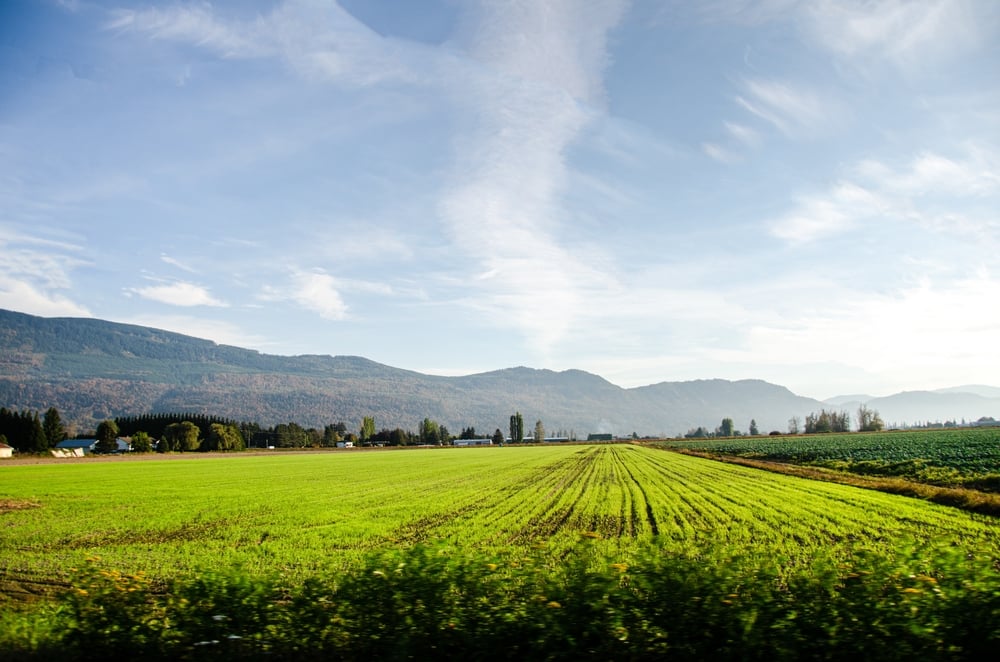
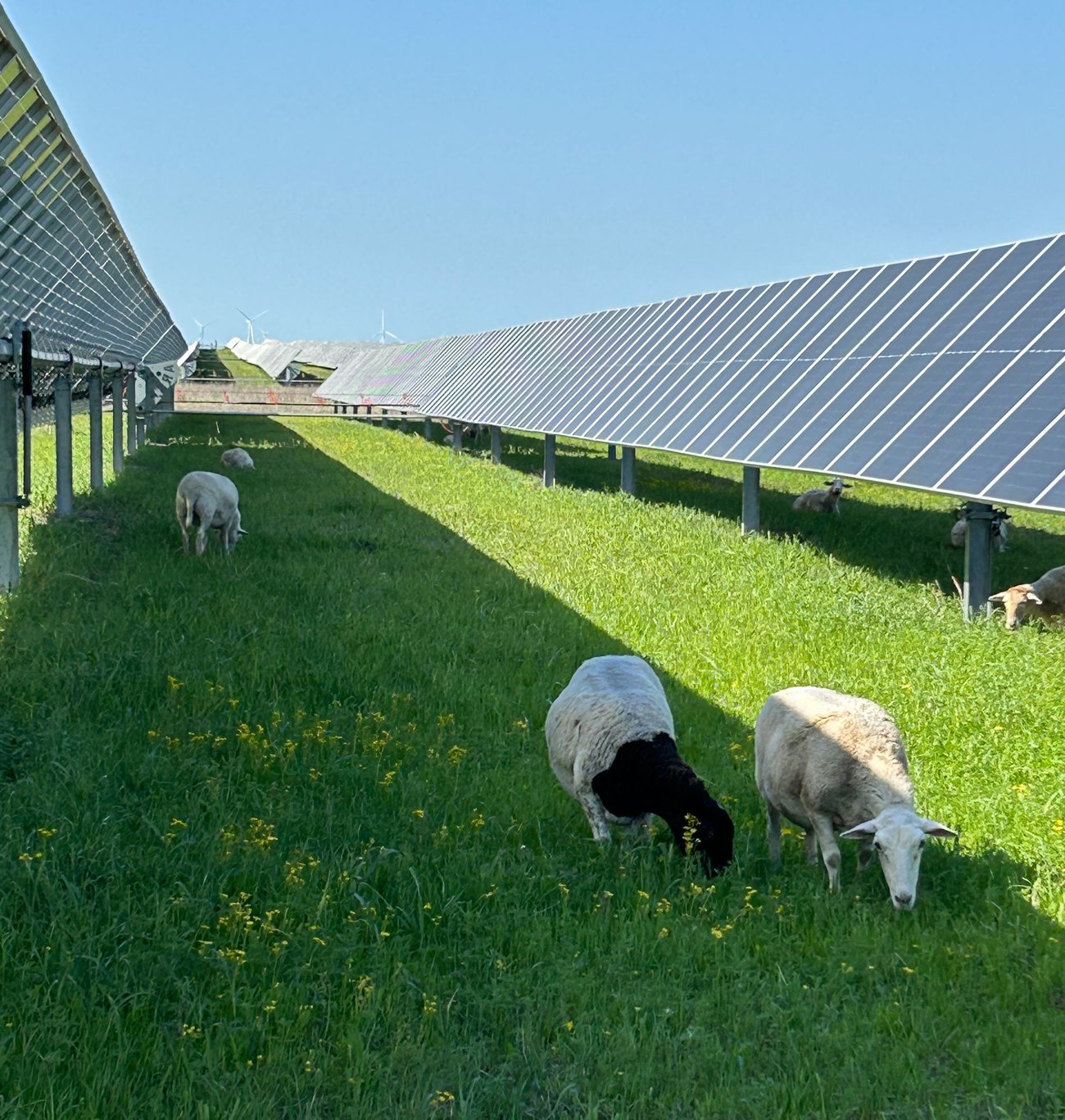
As counties across Virginia consider new zoning ordinances and land use policies regarding renewable energy, it’s critical that the voices of farmers, landowners, and those with a direct stake in rural land are meaningfully included in the conversation. Too often, decisions about what can and cannot be done on agricultural land are made without fully considering the real-world impact those policies can have on working farms and the families who own, work, and depend on them. If it’s important to those families to keep the land workable (and it very often is), one viable option is agrivoltaics, which can supplement a family’s needs while still maintaining the land for future usage.
Farmers are, and have been, the backbone of America. They feed our communities, support local economies, and serve as long-term stewards of the land. But farming has increasing difficulties in this day and age. Rising costs, unpredictable markets, equipment expenses, and tight margins make it harder each year for many families to remain profitable and keep their land in production. Because of these challenges, many farmers depend on the flexibility to make thoughtful decisions about how their land can remain productive and financially sustainable. In many cases, using a small portion of farmland for compatible secondary uses, especially on land already impacted by existing electrical infrastructure, can provide critical supplemental income that helps keep the remaining acreage in agricultural production and the family legacy in tact.
Counties should prioritize public safety, community welfare, and responsible land use planning. But the strongest policies are those that balance those priorities with private property rights and practical agricultural realities. Blanket restrictions often remove flexibility, while case-by-case review allows local leaders to evaluate each proposal on its merits and determine what is appropriate for their community. Good policy is built when the people most affected are part of the process. Farmers and landowners bring firsthand knowledge of their land, their operations, and the economic pressures they face, and their perspectives are essential in shaping policies that protect rural communities while ensuring working lands remain productive, profitable, and sustainable for generations to come.
Where We Went

This week, Energy Right was in Brunswick, Buckingham, Caroline, Chesapeake, Culpeper, Southampton, and Stafford counties!
FROM THE ROAD
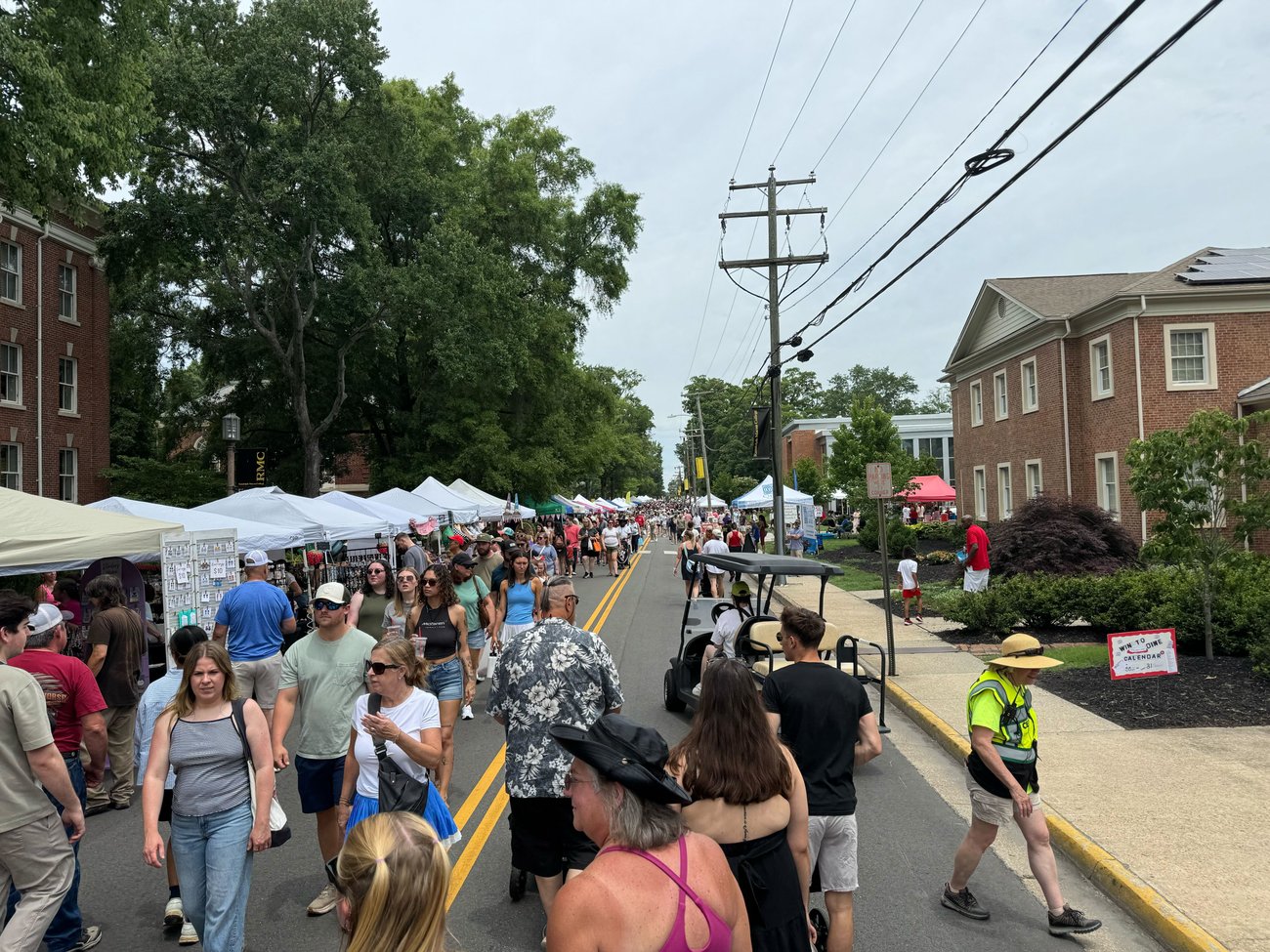
Amidst all the counties and community meetings of the past week, the Energy Right team also attended the annual Ashland Strawberry Faire in Hanover County. We enjoyed connecting with local businesses, community volunteers, residents, and visitors while celebrating one of the region’s favorite annual traditions.
WHAT NEXT?
NEXT WEEK
We’ll be going to Culpeper, Halifax, Hanover, Nottoway, Prince Edward, Suffolk, and Sussex!
Recent News
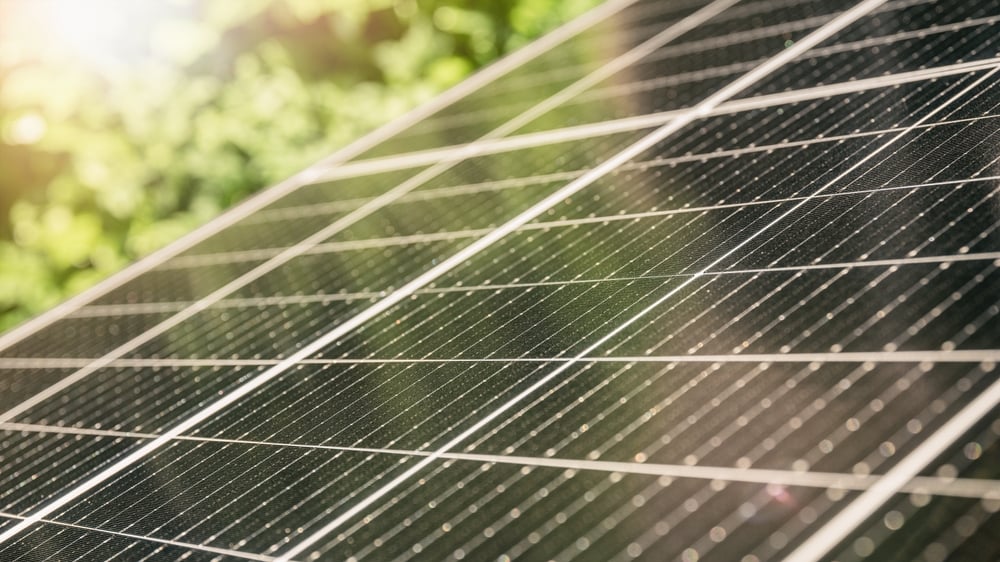
Solar generates more energy in US than coal for first time
– The Guardian
Solar continues to gain ground in the U.S. energy mix, reaching a major milestone in May when it generated more electricity than coal for the first time. Solar supplied 12.8% of the nation’s power compared to coal’s 12.2%, reflecting years of steady growth as coal generation continues to decline.
The trend comes as electricity demand rises due to AI, manufacturing, and electrification. Industry data shows solar and battery storage accounted for 91% of new generating capacity added in the first quarter of 2026, reinforcing solar’s role as one of the fastest-growing and most cost-effective sources of new energy despite shifting federal policy priorities.
Want to keep up with Energy Right? Sign up, and forward to a friend!