Happy Friday!
May 8, 2026
This week, the Energy Right team travelled to Goochland County for a gathering event hosted by the
Chamber of Commerce, as well as a County Planning Commission meeting in Gloucester, where two distributed solar projects were being discussed. The Gloucester meeting unanimously voted to forward the applications to the Board of Supervisors. Well informed and properly planned solar is just one key part of the puzzle for energy independence in the Commonwealth.
First-Ready, First-Served: New Rules Favor Fast-Build Energy Projects
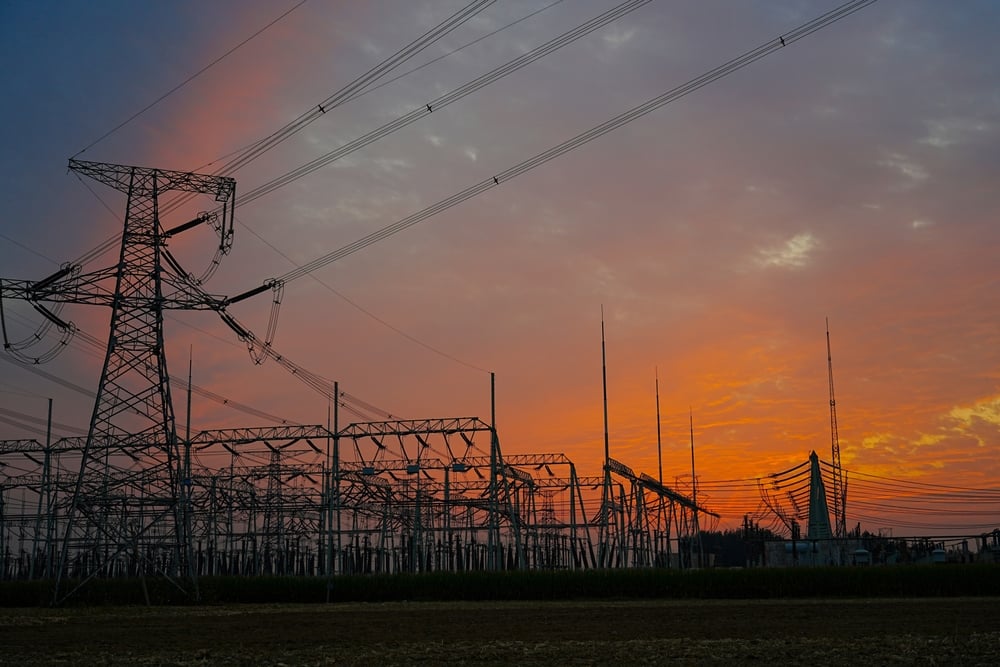
A little over a week has passed since PJM announced there were more than 800 projects, totaling over 220 gigawatts that have applied through the first cycle of PJM’s reformed interconnection process. This new process replaces PJM’s prior first-come, first-served model, shifting to a first-ready, first-served approach, prioritizing projects that are “more advanced and better positioned to move forward.” PJM has made this move as an effort to push projects online quicker and address growing energy demand concerns driven by data centers and advanced manufacturing across the region, but also due to massive backlogs that have plagued the interconnection queue since 2022.
An interesting aspect of this PJM puzzle is Virginia and Governor Spanberger’s decision to increase the Commonwealth’s targets for community-scale solar and battery storage. The new PJM process is designed to reward “readiness,” which, if effective, should allow both battery storage and community-scale solar projects to clear the queue faster than projects requiring extensive new transmission infrastructure. Utilities, regulators, and large energy buyers need new electricity supply quickly due to the aforementioned rising demand growth. Solar and storage projects are among the few generation resources that can realistically be permitted, financed, and constructed within a relatively short timeframe. That doesn’t mean they’ll avoid PJM scrutiny or
local review, but compared to large baseload facilities that may take a decade or longer to complete, clean energy projects are increasingly viewed as one of the fastest available tools to add new capacity and support grid reliability.
It’s clear the Commonwealth, with the new targets, is leaning into these new energy projects. And this isn’t just the case in Virginia—but across all of PJM territory. Of the 811 new projects submitted to PJM’s reopened queue, 349 are storage, 142 solar and 45 solar-storage hybrids – over 65% of projects are attributable to solar and storage.
What We’re Thinking
Virginia’s Latest Solar and Storage Reforms Matter

As the July 1 effective date approaches for legislation passed in the 2026 Virginia General Assembly, several energy-related bills are set to take effect that will materially affect how solar and battery storage projects are sited, permitted, and deployed across the Commonwealth. While these measures were debated under competing narratives about land use, reliability, and local control, the final statutory changes largely focus on expanding and accelerating deployment pathways for both utility-scale and distributed energy resources.
One of the most significant changes is the enactment of SB 443 and HB 891, which clarify that battery energy storage systems co-located with approved solar facilities are treated as an accessory use rather than a standalone land-use decision. In practice, this removes the need for a new special use permit at the local level for qualifying storage additions within an approved solar project footprint, provided they meet applicable safety and environmental standards. The legislation also limits local authority to impose additional zoning approvals for these systems, while preserving enforcement authority related to safety and allowing voluntary siting agreements between developers and localities.
Another notable change is the passage of legislation commonly referred to as “balcony solar” or plug-in residential solar (SB 250 / HB 395). These bills allow small plug-in photovoltaic systems—generally up to 1,200 watts—to be used without traditional interconnection approval processes, subject to defined safety standards. While limited in scale, the policy expands the ability of renters and multifamily residents to participate in distributed generation. In addition, broader siting and interconnection provisions from the session seek to standardize elements of local review and reduce variability in permitting timelines, reflecting ongoing efforts to create more consistent procedural expectations across jurisdictions.
Our team continues to hear a range of feedback on this legislation at the local level, particularly from county officials working to understand how these statutory changes interact with existing zoning frameworks, land-use ordinances, and project review processes. For that reason, we find it important to maintain open and transparent communication with local governments as these laws take effect. The goal is not only to clarify the statutory requirements, but also to help ensure that local officials understand how these changes may affect their counties in practice and what policy tools remain available to them going forward—whether through ordinance updates, Board-adopted policies, or adjustments to administrative procedures.
Where We Went
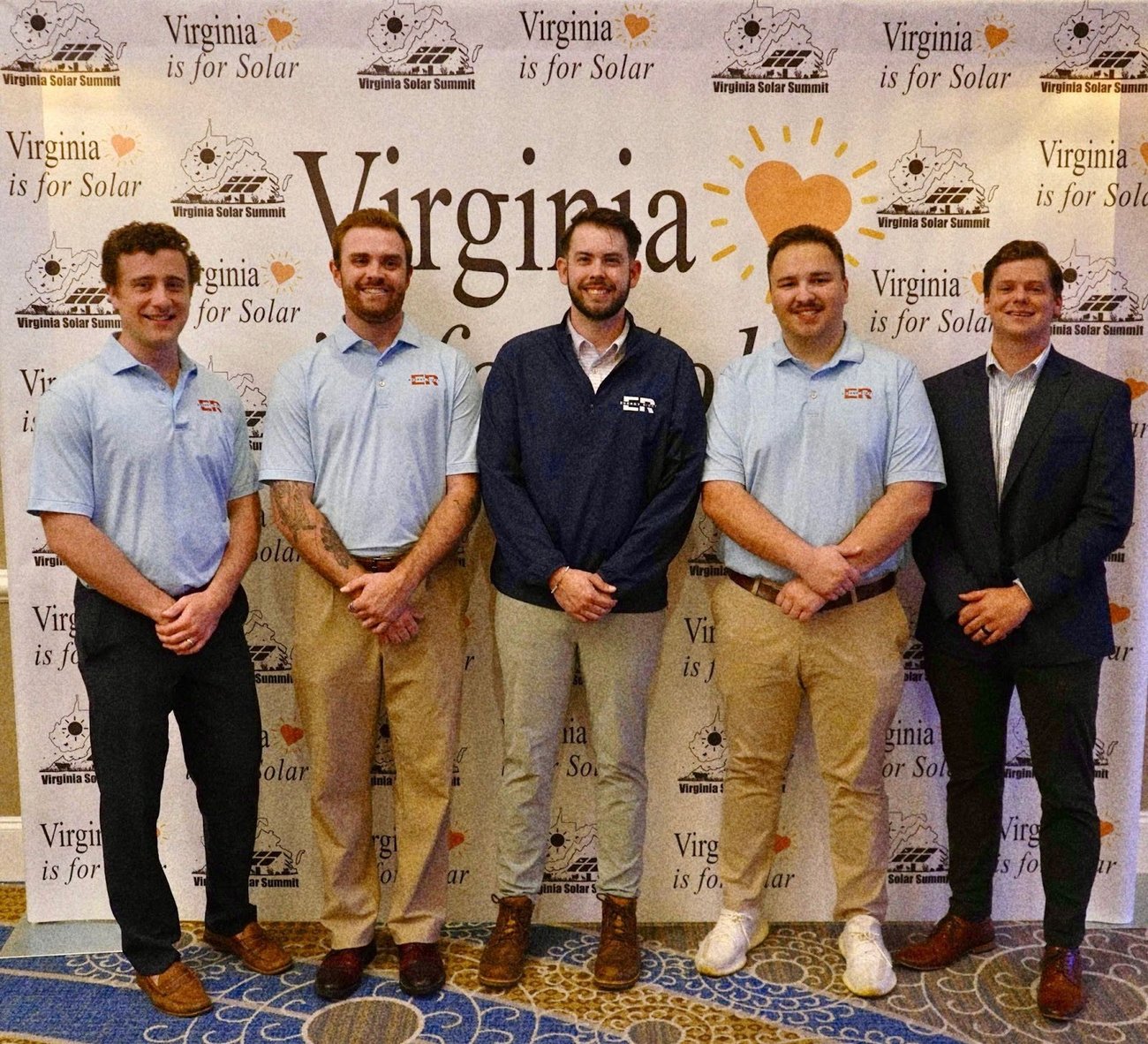
This week, Energy Right members visited Gloucester, Goochland, and Hanover counties!

On Wednesday, the Energy Right team attended the Goochland Gathering event hosted by the Goochland Chamber of Commerce. There we had an opportunity to connect with staff and other members of the chamber group. The Goochland Economic Development Authority also gave a presentation about all things coming and being discussed within the county.
WHAT NEXT?

NEXT WEEK
The team will be traveling to Albemarle, Buckingham, Chesterfield, Goochland, and Lunenburg counties.

Renew Risk launches ‘first-of-its-kind’ model to
assess thunderstorm risk for US solar
– PV-Tech
Severe weather is becoming a growing operational and financial risk for utility-scale solar projects,
particularly as deployment expands into regions prone to hail, high winds, and convective storms. This week, Renew Risk launched what it describes as the first U.S. model specifically designed to assess thunderstorm-related risks to solar facilities, using machine learning and asset-specific forecasting to evaluate potential impacts on panels, infrastructure, and insurance exposure.
The announcement reflects a broader shift across the solar industry as developers, insurers, and investors place greater focus on climate resilience and long-term asset protection. While hurricanes and earthquakes have traditionally dominated risk modeling, severe thunderstorms now account for a growing share of weather-related losses in the U.S., reinforcing the need for more sophisticated forecasting tools as solar deployment accelerates nationwide.