Happy Friday!
July 17, 2026
This week, the Energy Right team traveled down south! Jack and Dylan attended the Georgia Solar Farm Summit in Athens, leading conversations on agrivoltaics, community engagement, and the future of responsible solar development. Back in Virginia, we followed local energy discussions in Sussex County after the approval of the Blackwater Solar project, attended the Hanover County Planning Commission meeting where a distributed solar project advanced unanimously, and connected with local businesses and residents at Hanover Chamber of Commerce events and the annual Hanover Tomato Festival.
The Sun Shines the Same in Georgia
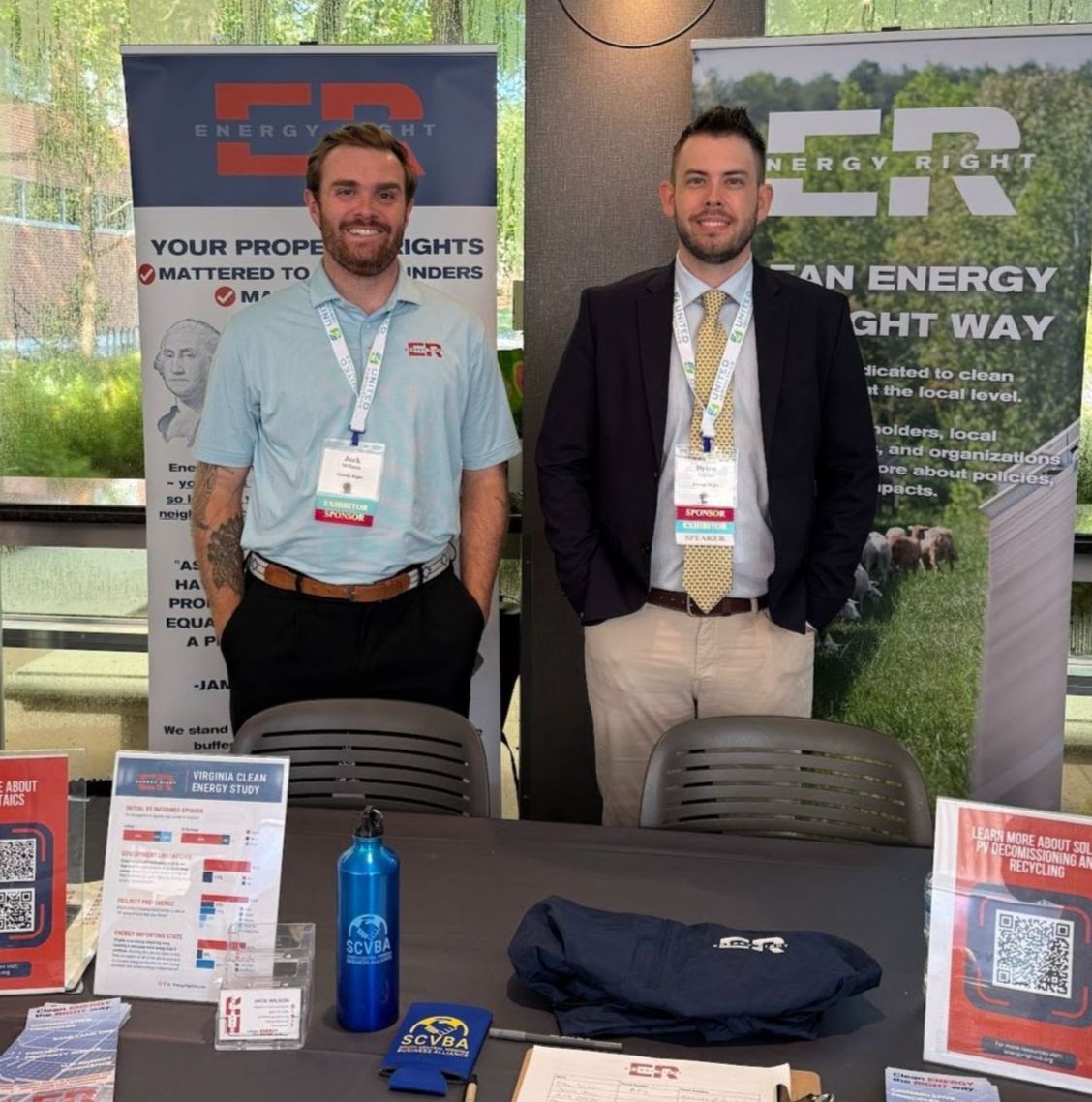
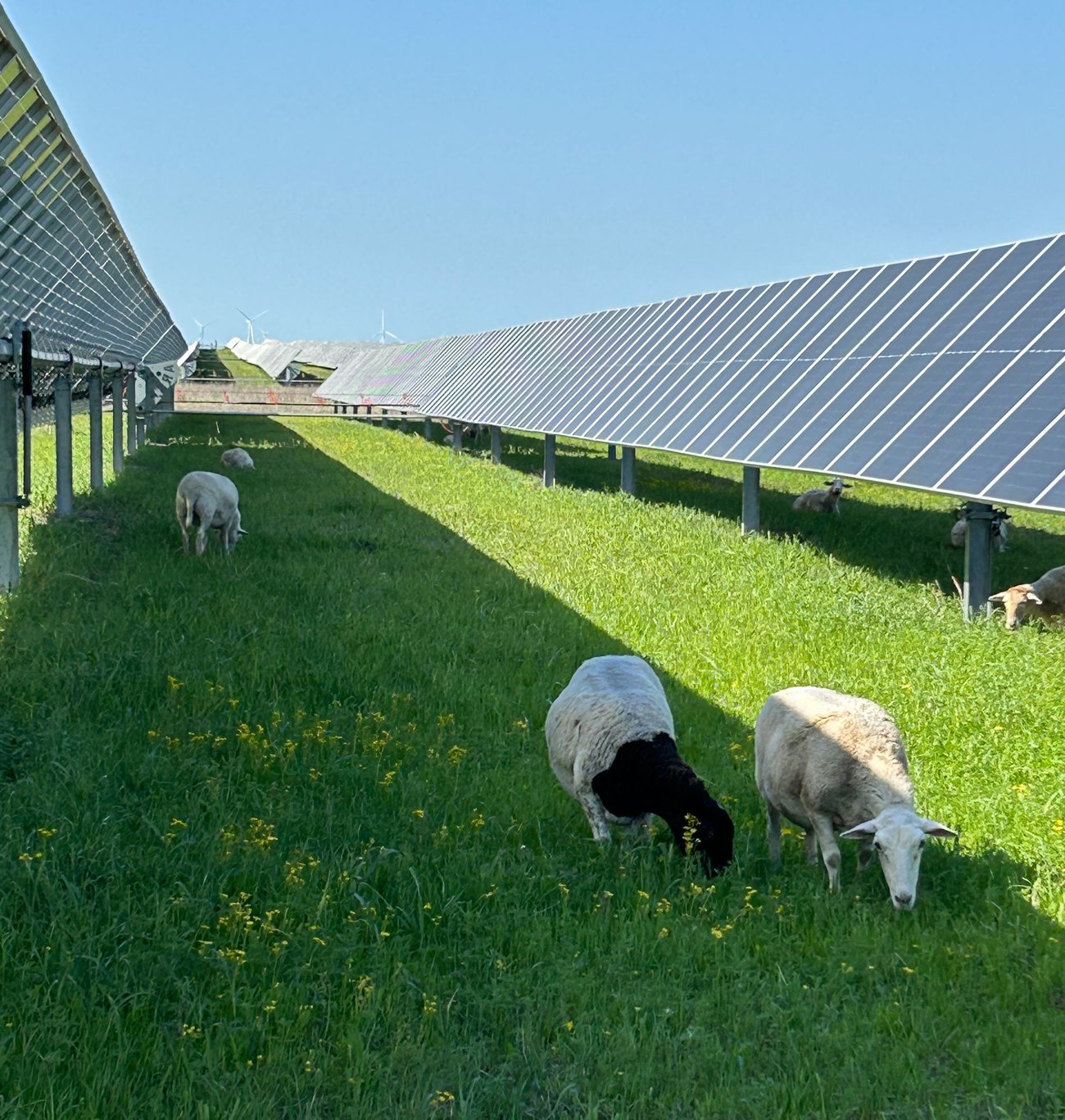
This week, the Energy Right team attended the Georgia Solar Farm Summit, which brought together farmers, landowners, developers, utilities, researchers, and policymakers to discuss the future of solar development in Georgia and across the country. With a strong focus on agrivoltaics, much of the programming centered on how energy development can complement, rather than compete with, agriculture through responsible planning. Panel discussions and keynote speakers highlighted how solar projects can coexist with livestock grazing, crop production, pollinator habitats, and conservation efforts while continuing to provide reliable energy and new economic opportunities for rural communities. Energy Right’s own Dylan Taylor also participated in a panel on community engagement, emphasizing the importance of collaboration between industry and local stakeholders to ensure projects are designed with community priorities, property rights, and long-term land stewardship in mind.
Beyond the educational sessions, the summit also provided a valuable opportunity for the Energy Right team to engage directly with industry leaders, discussing both the challenges and opportunities facing solar energy today. Conversations focused on emerging technologies, growing grid needs, local permitting, and the expanding role of solar in meeting rising energy demands. Throughout the week, discussions explored how developers, farmers, local leaders, and communities can work together to improve public understanding of solar, address common misconceptions, and build projects that create lasting local benefits.
One of the clearest takeaways from this year’s summit was that the future of clean energy depends on more than technology alone. Responsible development begins with education, collaboration, and trust. As conversations around renewable energy continue to evolve, building strong relationships with communities and protecting working agricultural land will remain just as important as the infrastructure itself. That commitment to thoughtful engagement is exactly what Energy Right strives to bring to every conversation we have across the communities we serve.
FROM THE ROAD
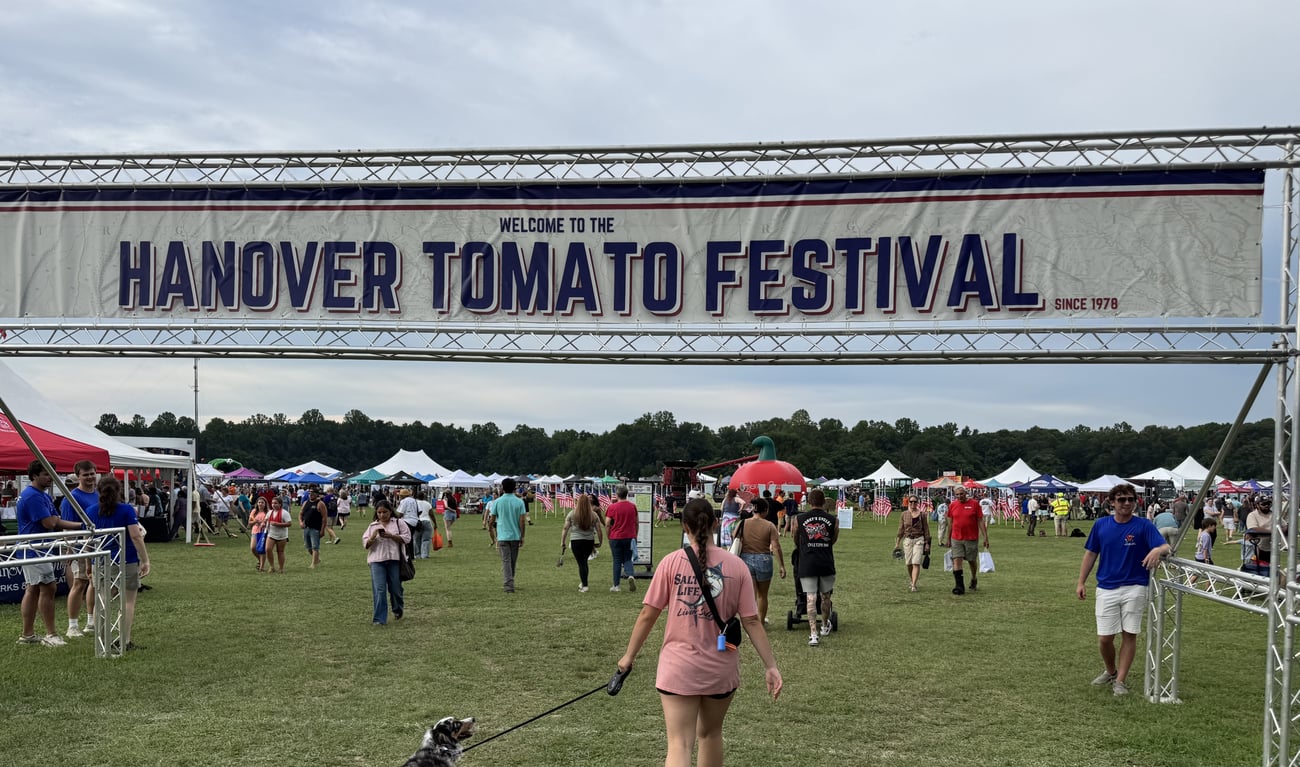
This past weekend, the Energy Right team had the opportunity to attend the annual Hanover Tomato Festival! We enjoyed connecting with local vendors, community members, and county staff, including representatives from Hanover County’s Communications and Community Engagement team, Agriberry Farm, and the growers behind the festival’s famous tomatoes at Kirby Farms and Hanover Vegetable Farm.
Events like these are a great opportunity to build relationships, learn more about our local communities, and continue conversations about Virginia’s energy future.
What We’re Thinking
Sussex Moves Forward with Solar
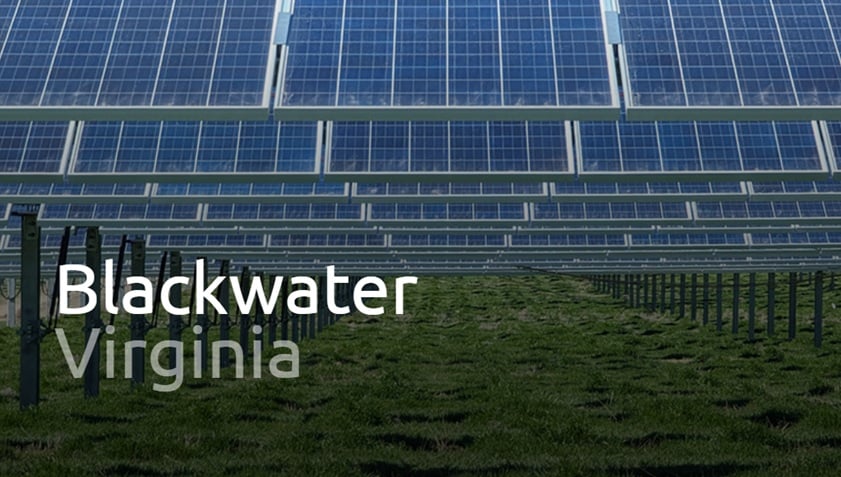
On July 16, the Sussex County Board of Supervisors voted 4-3 to approve Clenera’s Blackwater Solar project, reversing course after rejecting an earlier version of the proposal by a 5-2 margin. Rather than walking away after the initial denial, Clenera returned with significant revisions. The developer scaled the project down, removed the previously proposed battery energy storage component in response to concerns from the Town of Wakefield, and adjusted the site plan based on resident feedback regarding tree clearing and construction impacts. Sussex County has real, earned reasons for approaching these projects carefully. Having experienced solar development before, residents have consistently raised concerns about stormwater management, road impacts, and other local considerations. While those concerns didn’t disappear, the revised proposal showed a willingness to address them in a meaningful way.
The Board also revisited the project’s potential economic benefits, including new tax revenue that could support schools, public safety, and local infrastructure without increasing property taxes. The outcome illustrates an important lesson: local review works best when it creates opportunities for dialogue. By clearly identifying concerns with the original proposal, county leaders gave the developer a chance to respond with a project that better reflected community priorities. Rather than ending the conversation after the first vote, both sides continued working toward a more balanced outcome.
There’s a broader takeaway for communities across Virginia—an initial denial doesn’t have to be the final chapter of a project. Sussex’s shift from a 5-2 rejection to a 4-3 approval demonstrates how thoughtful revisions, continued public engagement, and a willingness to negotiate project details can lead to better outcomes for everyone involved. As counties continue evaluating solar and battery storage proposals, Sussex offers a clear example of how flexibility and collaboration can help shape projects that better serve local communities and the Commonwealth’s growing energy needs.
Where We Went

This week, the Energy Right team travelled all the way down to Athens in Georgia, and Hanover and Sussex counties here in Virginia.
Recent News
Energy group: Some counties’ new energy ordinances go too far
– Cardinal News
by Jack Wilson, Energy Right
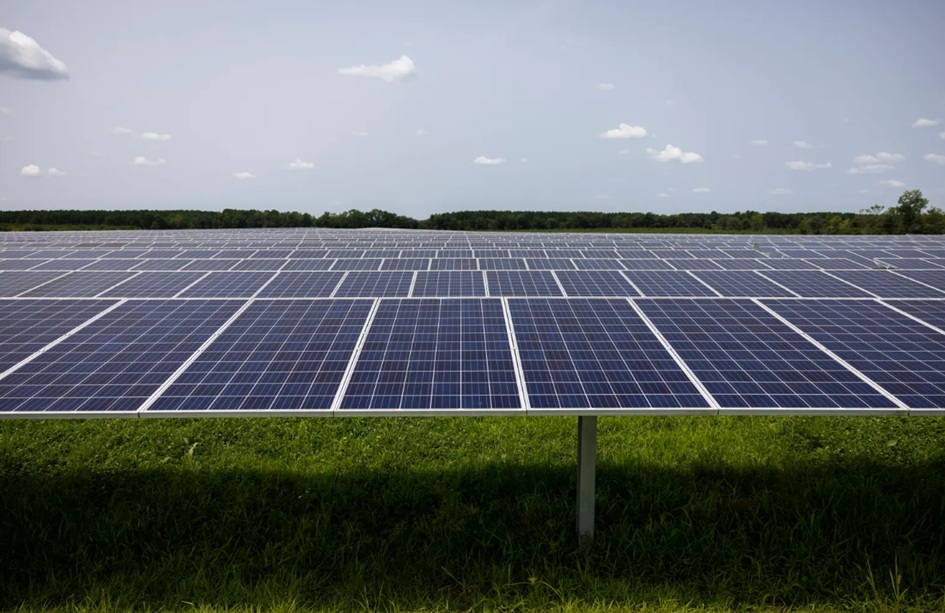
As Virginia localities update solar and battery storage ordinances under new state legislation, some counties are adopting requirements that go well beyond state guidelines. Jack makes the point that while responsible oversight is essential, overly restrictive regulations can discourage investment, limit landowners’ property rights, and increase energy costs. Finding the right balance between local control and practical development will be critical as Virginia works to meet growing electricity demand while supporting rural communities and economic growth.
WHAT NEXT?
NEXT WEEK
We’ll be going to Chesapeake and more!
Want to keep up with Energy Right? Sign up, and forward to a friend!