
Happy Friday!
June 26, 2026
This week, the Energy Right team attended meetings in Southampton and Culpeper counties, where discussions centered on battery energy storage policies and proposed solar development. From adopting new local ordinances to hearing directly from locals and landowners about the role energy infrastructure can play on working lands, there’s never been a more important time for engagement and discussion surrounding Virginia’s energy landscape.
Approved Budget Signals Affordability as Demand Continues to Rise
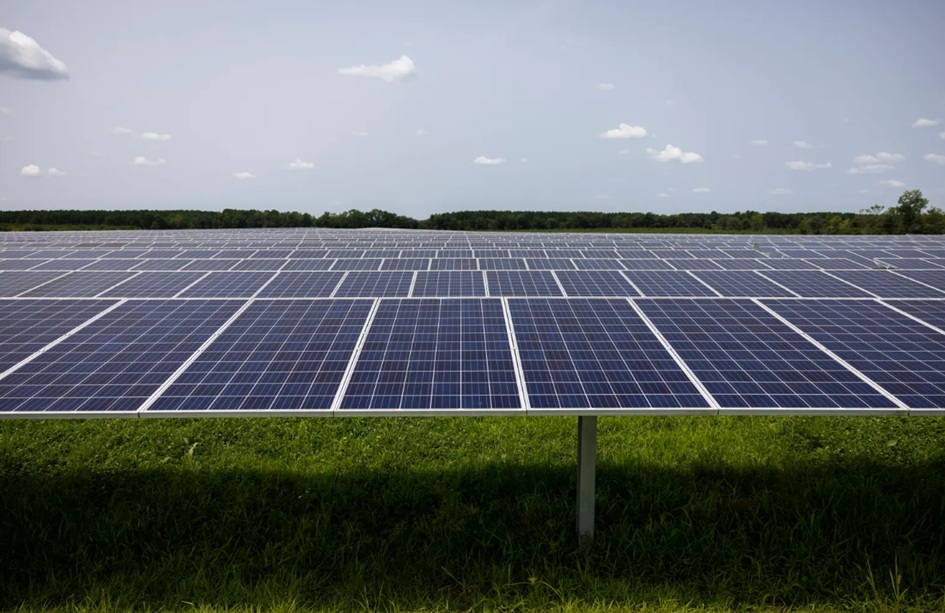
This week the Virginia General Assembly reconvened to approve a $205 billion two-year state budget. This budget is still subject to the Governor’s review, but the General Assembly approved budget includes efforts to address the Commonwealth’s energy future and rising electricity demand, particularly from the growth of data centers. In an effort to quell energy affordability issues, the budget adds a new data center electricity consumption tax, which would charge a rate of $0.011 per kilowatt hour based on the electricity a data center uses each month—up to $600 million annually.
As Virginia continues to attract some of the largest technology investments in the country, legislators are navigating a way to ensure that energy infrastructure keeps pace without placing unnecessary burdens on residents and businesses. While data centers remain a driver of investment in Virginia, the conversation is evolving beyond economic development alone and toward how the Commonwealth can responsibly meet the rapidly rising demand.
Forecasts show electricity demand continuing to rise in coming years due to data centers, advanced manufacturing, and population growth in Virginia. As policymakers evaluate how to support that growth, the focus must remain on building a diverse portfolio of energy resources that can be deployed at scale quickly. Delays in bringing new generation online risk increasing reliability concerns and placing additional pressure on energy costs. The challenge facing Virginia is not whether new energy infrastructure will be needed, but how quickly it can be responsibly developed to meet demand.
Meeting that challenge will require an all-of-the-above energy strategy, but one that prioritizes the resources capable of being deployed quickly and cost-effectively. Solar energy and battery storage are uniquely positioned to help Virginia respond to growing demand while maintaining reliability and reducing pressure on electricity prices. These technologies can often be developed faster than traditional generation sources, provide valuable support during peak demand periods, and offer rural communities new opportunities for economic investment. While state leaders continue to evaluate the relationship between data center growth and energy infrastructure, the budget serves as a reminder that Virginia’s energy future will not be defined solely by demand growth, but by how effectively the Commonwealth embraces innovative energy solutions capable of meeting that demand.
FROM THE ROAD
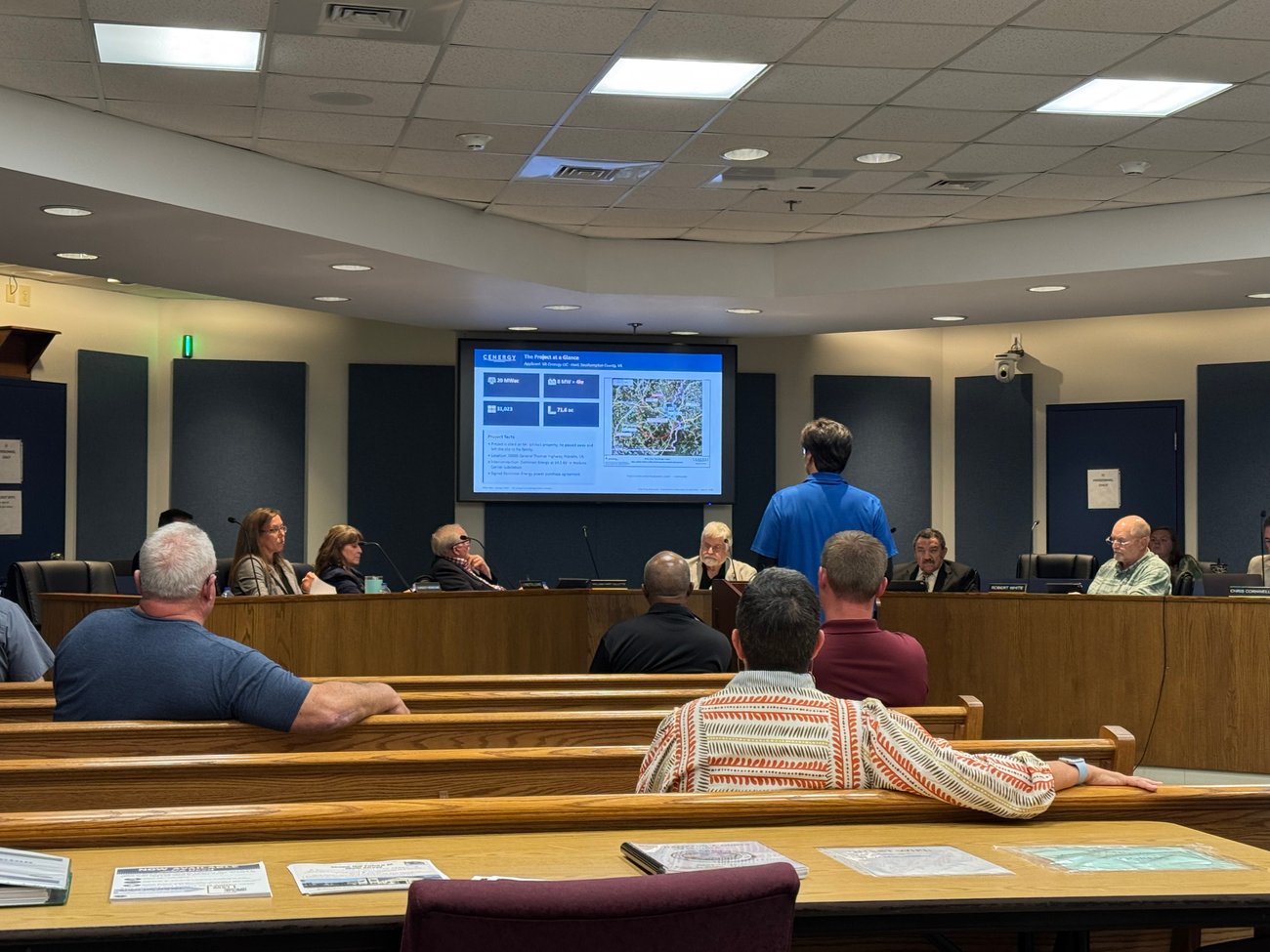
On Tuesday, the Energy Right team attended the Southampton County Board of Supervisors meeting, where the Board voted to adopt a battery energy storage systems (BESS) ordinance ahead of the July 1 effective date of Virginia’s new state siting laws. The Board also received a presentation from a developer proposing a 20 MW solar plus battery project in the county. Following a question-and-answer discussion with the applicant, the Board voted to refer the project to the Planning Commission for a scheduled public hearing.
What We’re Thinking
Local Voices & Thoughtful Policy

A joint meeting between the Culpeper County Board of Supervisors and Planning Commission once again put battery energy storage systems (BESS) at the center of local discussion as officials considered updated ordinance language. The proposed changes would limit standalone BESS projects to industrial zoning and establish new size restrictions, significantly narrowing where these facilities could be developed. While the ordinance ultimately moved forward, the evening underscored a broader conversation about how communities balance local priorities, responsible development, and private property rights.
Much of the discussion centered on the perspectives of local farmers and landowners. Several residents whose properties already contain, or sit adjacent to, existing transmission lines and substations spoke about how the proposed ordinance could limit future opportunities on land already connected to Virginia’s electric infrastructure. Their comments reflected on both energy policy as well as the economic realities facing many agricultural operations as rising costs, market uncertainty, and changing conditions continue to challenge long-term farm viability.
For many landowners, opportunities such as battery storage represent one potential way to diversify income while keeping farmland in agricultural ownership. Projects located near existing electrical infrastructure can provide an additional source of long-term revenue without requiring the widespread conversion of farmland to other forms of development. The discussion highlighted the importance of considering both community concerns and the unique circumstances of landowners whose properties are already positioned to support future energy infrastructure.
To the Board’s credit, several members acknowledged that these properties may warrant additional consideration and expressed a willingness to revisit portions of the ordinance as discussions continue. That recognition demonstrates an important part of the local planning process: good policy is rarely static. As communities evaluate new technologies and changing energy needs, ordinances often evolve through continued public engagement, technical review, and practical experience.
The meeting served as a reminder that productive energy policy depends on thoughtful conversations among residents, local officials, and landowners alike. While differences of opinion remain, continued engagement creates opportunities to refine policy in ways that protect community interests while preserving flexibility for working farms and private property owners. As Virginia’s energy landscape continues to evolve, those conversations will remain an essential part of building practical, locally informed solutions.
Where We Went

This week, the Energy Right team was in Culpeper, Henrico, and Southampton counties.
WHAT NEXT?
NEXT WEEK
We’ll be going to Caroline County and more to follow!
Want to keep up with Energy Right? Sign up, and forward to a friend!