|
|
|
Happy Friday!
August 21, 2026
|
|
|
|
Energy Right travelled through New Kent for a local Chamber of Commerce Connect event, as well as similar Chamber of Commerce gathering in Goochland County. Open discussion with community members and council is the Right Way towards balancing energy demand, growth, and community needs!
|
|
|
|
|
|
Why Solar is Booming in Virginia
|
 |
|
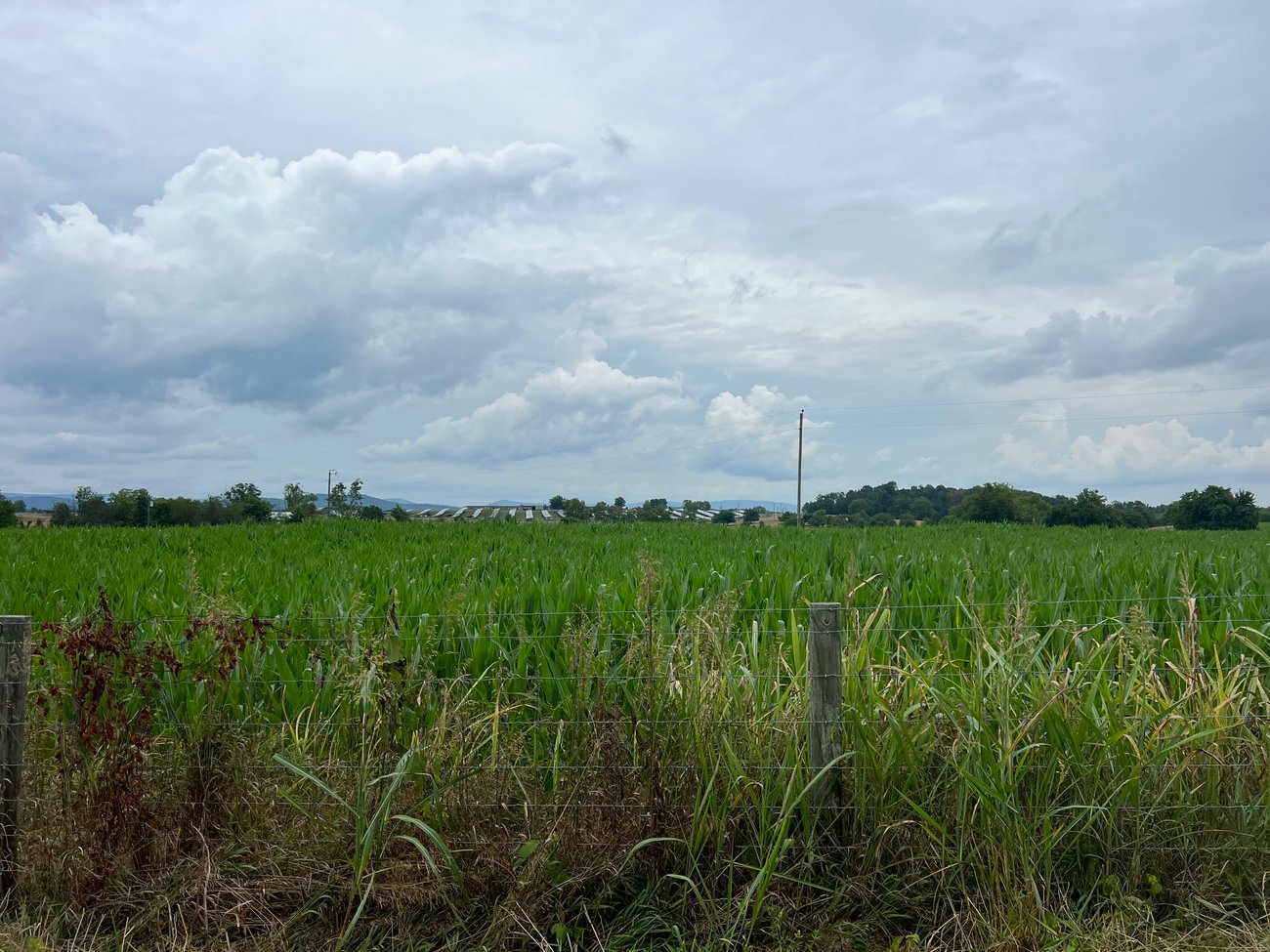
Solar panels along the rolling hills of Virginia
|
|
|
|
In June, the Solar Energy Industries Association published a speed-to-deploy fact sheet that diagrammed how long it takes each energy technology from early-stage development to operation. In Virginia, we see a lot of solar being built across the Commonwealth, and there is a clear reason for that. With rising demand due to the growth of data centers, advanced manufacturing, population growth, and other economic factors, Virginia is operating an increasingly strained grid. We currently import more power than any other state in the nation, and we have to take steps to address that and produce the energy needed to power our grid domestically. Solar is above and beyond the quickest energy source to deploy and helps Virginia manage increased demand efficiently, while benefiting local communities through increased tax revenues and economic impacts.
The numbers from SEIA help make that timeline clear. According to SEIA data, a solar project takes just 1.44 years to move from development to operation, compared with 1.69 years for battery storage, 2.58 years for a natural gas combustion turbine, 4 years for a natural gas combined-cycle plant, and more than 15 years for nuclear. As Virginia faces rapidly growing electricity demand, the ability to bring new generation online quickly matters. Solar and battery storage can work together to add capacity on a timeline that matches the pace of our energy demand.
That doesn’t mean solar and storage are the only tools Virginia should pursue, but rather provides an explanation for why the Commonwealth is pursuing these technologies so heavily. In addition to their speed to deploy, solar and battery storage are two of the most cost-effective forms of generation. Our energy future will require a diverse mix of resources, along with improvements to transmission infrastructure and the grid itself. But if the goal is to meet rising demand reliably and affordably, we should use the resources that can be deployed the quickest. Virginia has an opportunity to build more of the energy it needs within the Commonwealth, strengthen our energy security, and support the communities where that infrastructure is developed. Solar’s speed is one of its greatest assets, and Virginia should take full advantage of it.
|
|
|
|
|
|
FROM THE ROAD
|
 |
|
|
|
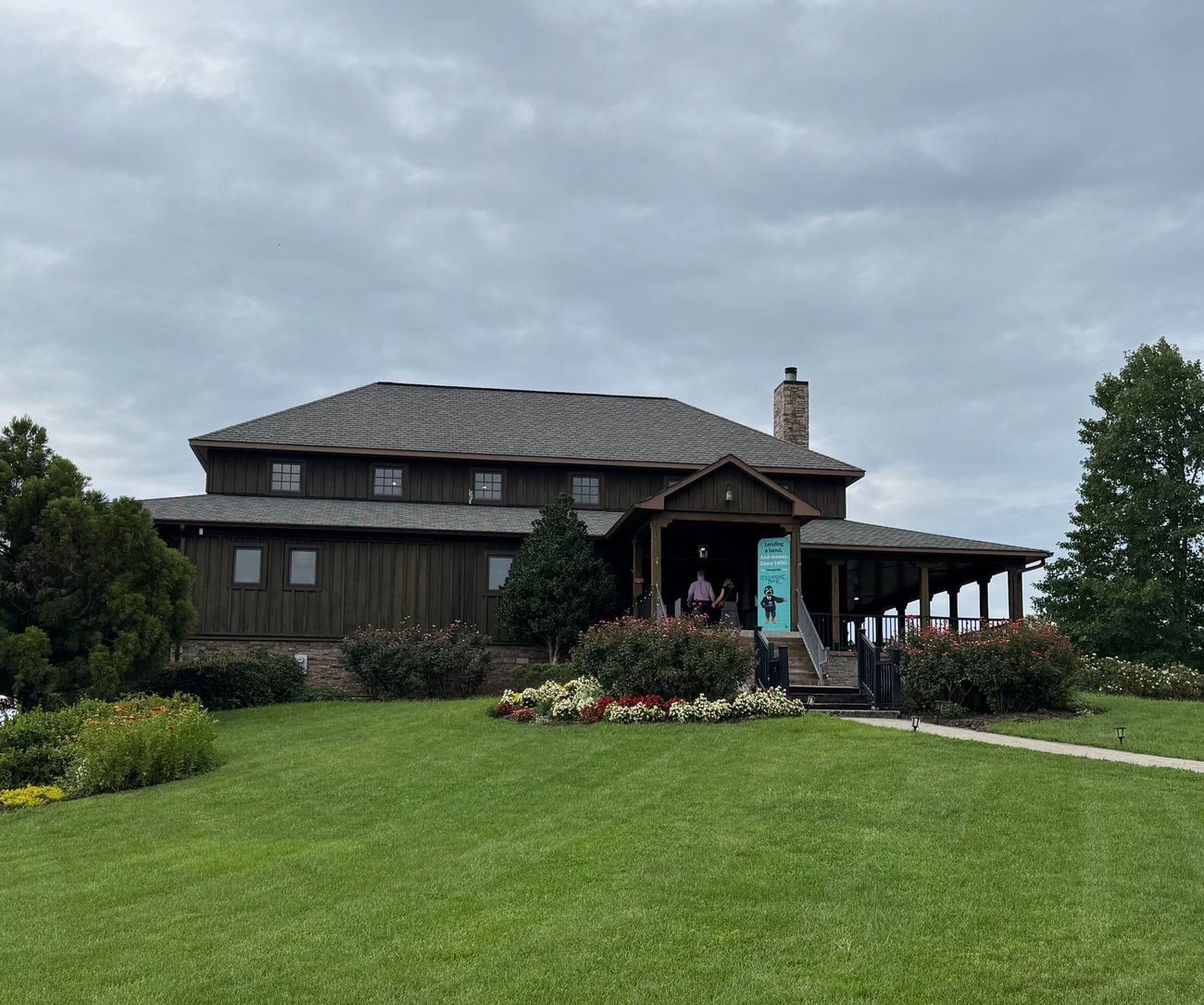
On Tuesday, the Energy Right team visited New Kent County for the local Chamber of Commerce’s New Kent Connect networking event. Many attendees had questions for us about upcoming energy projects, as well as information about the recently dismissed technology overlay district, giving us an opportunity to listen, share information, and better understand the questions and priorities of the local community.
|
|
|
|
What We’re Thinking
|
 |
|
Groundwater Usage along the East
|
 |
|
|
|
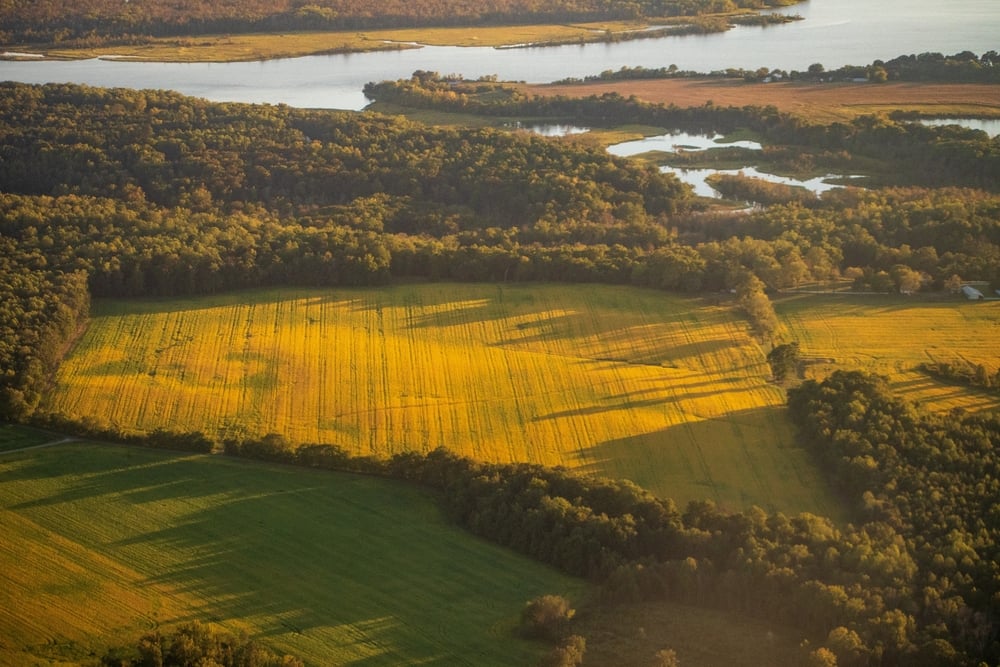
Last year, American Rivers ranked the Rappahannock No. 6 on its list of the nation’s most endangered rivers, citing declining groundwater levels and the absence of a comprehensive regional water-supply plan. That designation is now echoed at the state level: the Virginia Department of Environmental Quality’s Groundwater Supply East of Interstate 95 Report has renewed attention on groundwater availability, declining water levels, and the long-term capacity of some aquifers to support additional withdrawals. The State Water Commission is discussing the report this week, and state lawmakers have begun calling for additional action.
For communities across the Northern Neck, Middle Peninsula, and other areas east of I-95, this isn’t an abstract conversation. Groundwater supplies homes, farms, and businesses—and counties along the Rappahannock, Potomac, and other waterways have residents who rely on private wells every day. Understandably, that leaves people attentive to any new development proposed near their homes or land, including solar and battery storage projects. It’s then important that residents ask what a project will mean for the surrounding land and watershed, and to know that all parties involved and well informed.
Developers should be prepared to answer clearly rather than leaving residents to wonder or assume the worst. In fact, solar and battery storage facilities generally don’t require ongoing groundwater withdrawals as part of their normal operations. Aside from limited, periodic needs such as panel washing or landscaping, these facilities generate and store electricity without drawing on groundwater the way water-intensive industrial or cooling processes do.
A farmer relying on a well or a family whose home depends on groundwater has every right to ask how a proposed project could affect the resources they depend on, especially in a region already grappling with declining aquifer levels and a river on a national endangered list. Developers can build trust by being forthcoming about a project’s anticipated water use, explaining any temporary construction-related needs, and making clear whether the project will require a groundwater withdrawal permit or any ongoing use of local water resources—even when the answer is that it won’t. A clear answer offered early can head off a misconception before it takes hold.
For the energy industry, this is an opportunity to demonstrate what responsible community engagement looks like. Solar and battery storage can contribute to Virginia’s growing energy portfolio without placing the same water demands associated with more water-intensive industries, but residents shouldn’t have to guess about that distinction or take it on faith. Clear, proactive communication about water use should be standard practice, not an afterthought raised only when someone asks.
As the state works through how to manage a strained resource, developers who lead with clarity about water use won’t be part of the problem residents are worried about—and that clarity, offered early and consistently, is what will earn projects the confidence of the communities considering them.
|
|
|
|
|
|
|
|
|
|
|
|
Energy Right team members travelled to Goochland, New Kent, Southampton, and Stafford counties this week.
|
|
|
|
|
|
|
|
|
|
“On June 11, Gov. Abigail Spanberger shared the Virginia Energy Plan Input Portal, an opportunity for the public to provide input on Virginia’s 2026 Energy Plan that allows individuals, state agencies, utilities and advocacy organizations to help shape the commonwealth’s energy future.
Energy policy affects every Virginian, whether it’s a family opening their monthly utility bill, a manufacturer considering an expansion, or a rural landowner evaluating opportunities for their property. Allowing various parties a seat at the table is an important step in the right direction. Energy Right submitted recommendations through the Virginia Energy Plan Input Portal, focusing on reliability, affordability, responsible development and stronger local partnerships.”
|
|
|
|
|
|
|
|
|
|