|
|
|
Happy Friday!
March 20, 2026
|
|
|
|
Energy Right welcomed Jack Wilson to the team this week! Jack, a Richmond, VA native, will serve as the Director of Communications.
|
|
|
|
He brings a wealth of knowledge to the group, including experience working with an investor-owned utility in Virginia and years in public affairs and political consulting—handling media relations for multiple large-scale development projects.
A former registered lobbyist and expert in developing grassroots advocacy and coalition-building development plans, Wilson has the experience to continue amplifying the Energy Right message across the Commonwealth and more.
We are thrilled to welcome Jack to the team and excited for you to meet him!
|
|
|
|
|
|
Solar Leads Virginians’ Land Use Preferences
|
 |
|
|
|
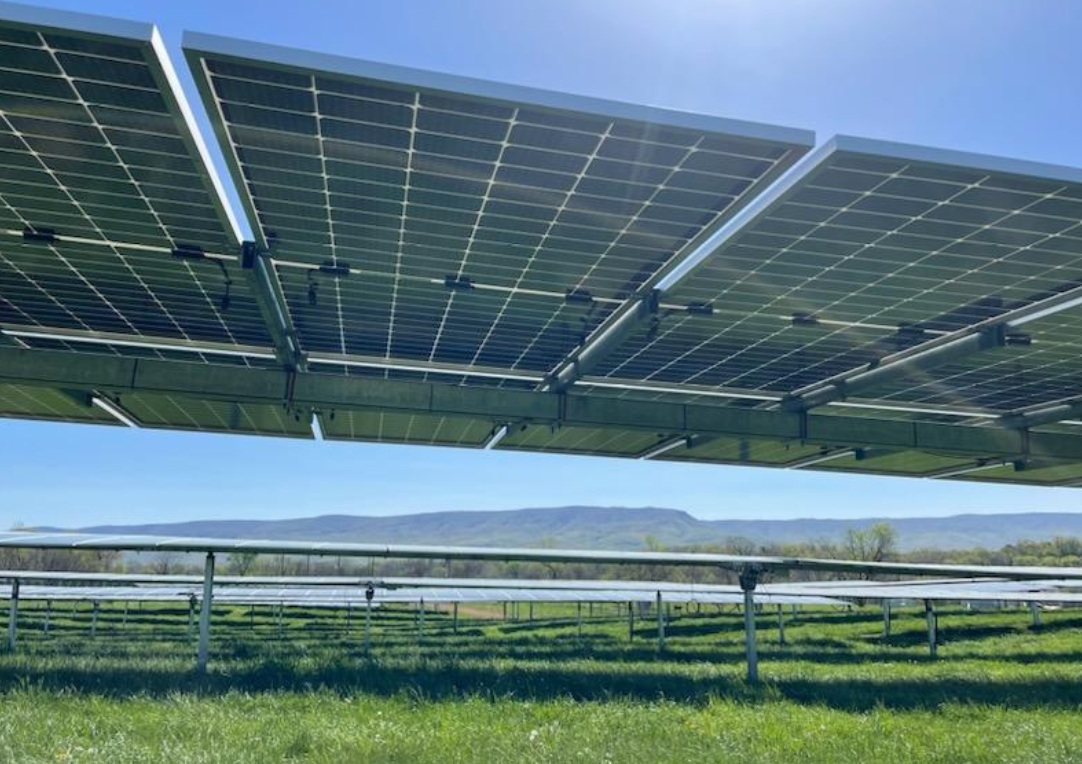
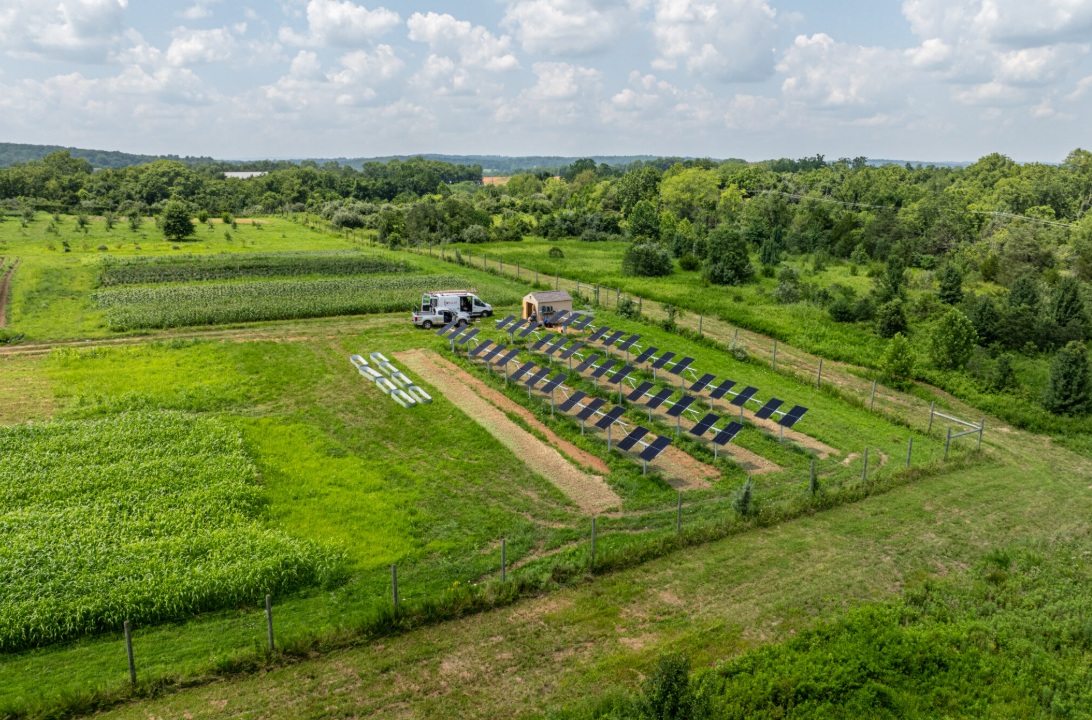
Land use decisions are increasingly important in the energy conversation in Virginia, and our latest 2026 Energy Right Statewide Poll provides insight into how voters view different types of development near their communities. When asked what they would prefer to see on 100 acres of land near their home, Virginians expressed a clear preference for solar development over other potential uses. Nearly half of respondents (47%) said they would prefer a solar project, making it the most favored option by a wide margin.
Housing developments ranked second at 26% but still trailed solar by more than twenty percentage points. The results highlight an important dynamic in public opinion: when voters are asked to choose among potential uses of nearby land, solar energy emerges as the most acceptable option. While housing and other forms of development are often necessary to support growing communities, the polling suggests that Virginians generally view solar projects as a more compatible land use in close proximity to where they live.
This preference has remained remarkably consistent over time. In our 2025 poll, solar projects ranked first at 49%, while housing development ranked second at 22%. The similarity between the two surveys shows that these attitudes have remained stable even as conversations around energy development, housing growth, and economic expansion have intensified across the Commonwealth. Solar projects have consistently maintained a sizable lead, suggesting that voters broadly see them as a practical and acceptable land use.
|
|
|
|
|
|
What We’re Thinking
|
 |
|
2026 Legislative Session & New House Bills Surrounding Solar
|
 |
|
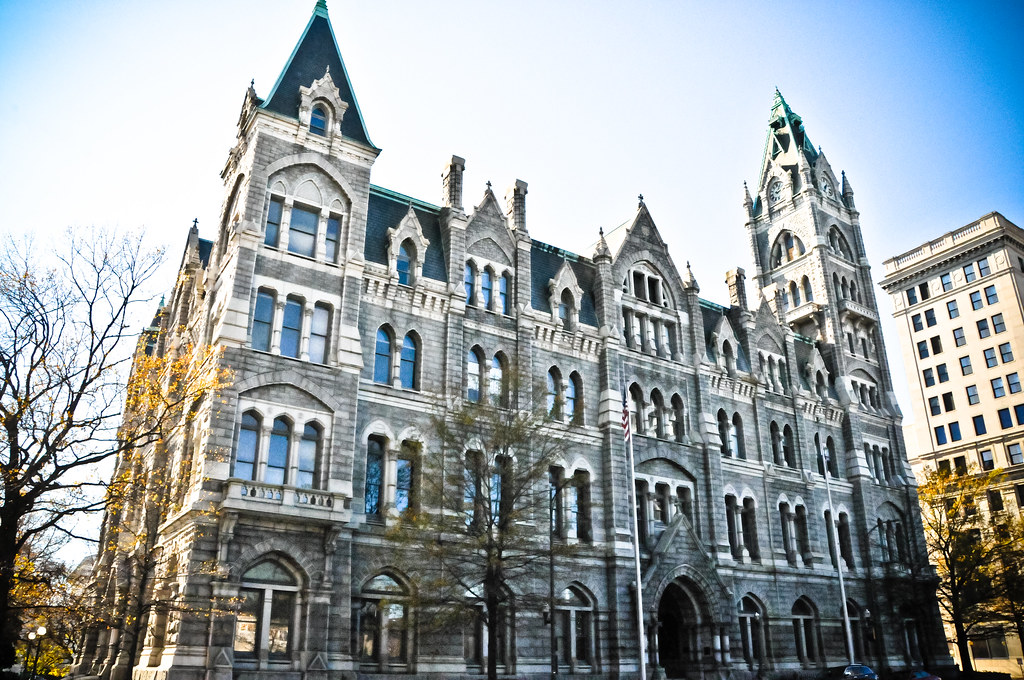
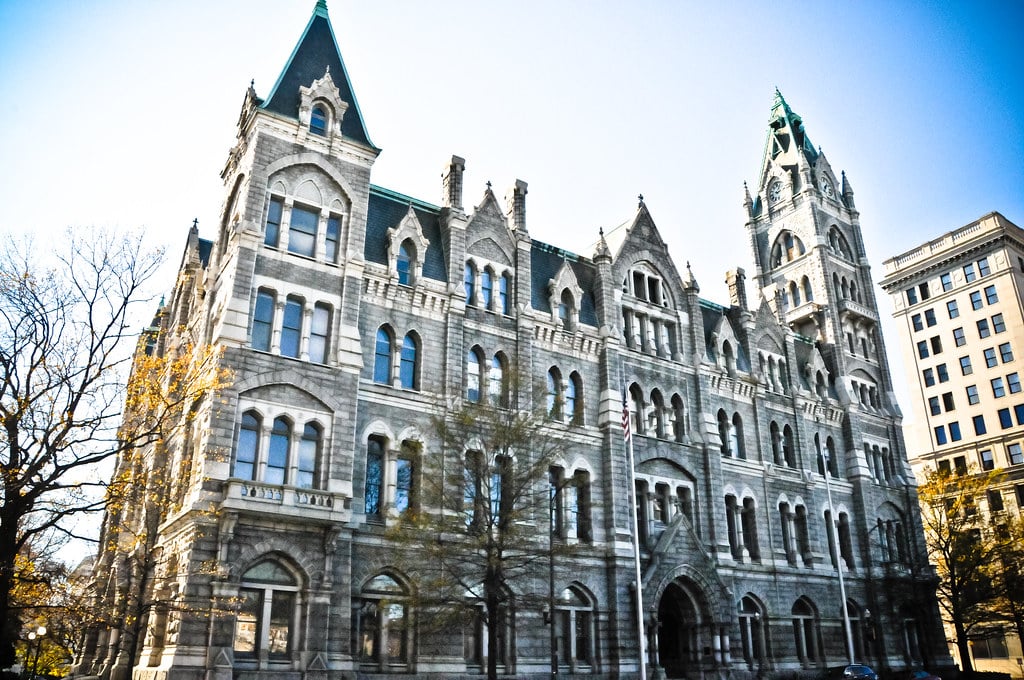
Old Town Hall, Richmond VA
|
|
The 2026 legislative session in Virginia has officially concluded, marking a significant moment for the future of clean energy development in Virginia. Lawmakers advanced a wide-ranging package of solar and energy storage bills that now await final action from the Governor. At first glance, this suite of legislation may be interpreted as an expansion of state oversight into what has traditionally been local decision-making; however, these measures function more as a rubric than a mandate that establish clear guardrails, minimum standards, and defined pathways that bring needed consistency to project development. This is all done while still preserving the authority of local governments.
Many of these bills focus on standardizing ordinances, clarifying by-right uses, and expanding access to resources that help localities evaluate solar and storage projects with greater confidence. The bills aim to reduce uncertainty, streamline processes, and ensure that Virginia can continue advancing its energy independence and grid reliability in a coordinated way. Also acknowledged in the bills is a growing need for technical support, staffing capacity, and shared best practices as energy infrastructure becomes more complex.
Throughout the session, Energy Right worked with representatives during the Conservative Energy Caucus to provide added context to the legislation being discussed and voted on. The caucus created space for candid conversations that allowed perspectives to be heard that are often underrepresented in the process. These discussions helped ground the bills in real-world experiences across rural Virginia, giving legislators a clearer understanding of how these decisions could play out on the ground.
As these policies await final approval or veto, Energy Right is focused on helping local governments interpret what these potential changes mean on the ground. Our goal is not to replace local decision-making, but to support it, serving as a resource for education, outreach, and practical guidance so that communities can apply these frameworks in a way that reflects their unique priorities while contributing to the Commonwealth’s broader energy goals.
|
|
|
|
|
|
|
|
|
|
|
|
|
|
This week the Energy Right team was in Halifax, Hanover, New Kent, and Spotsylvania counties!
|
|
|
|
|
|
|
|
|
|
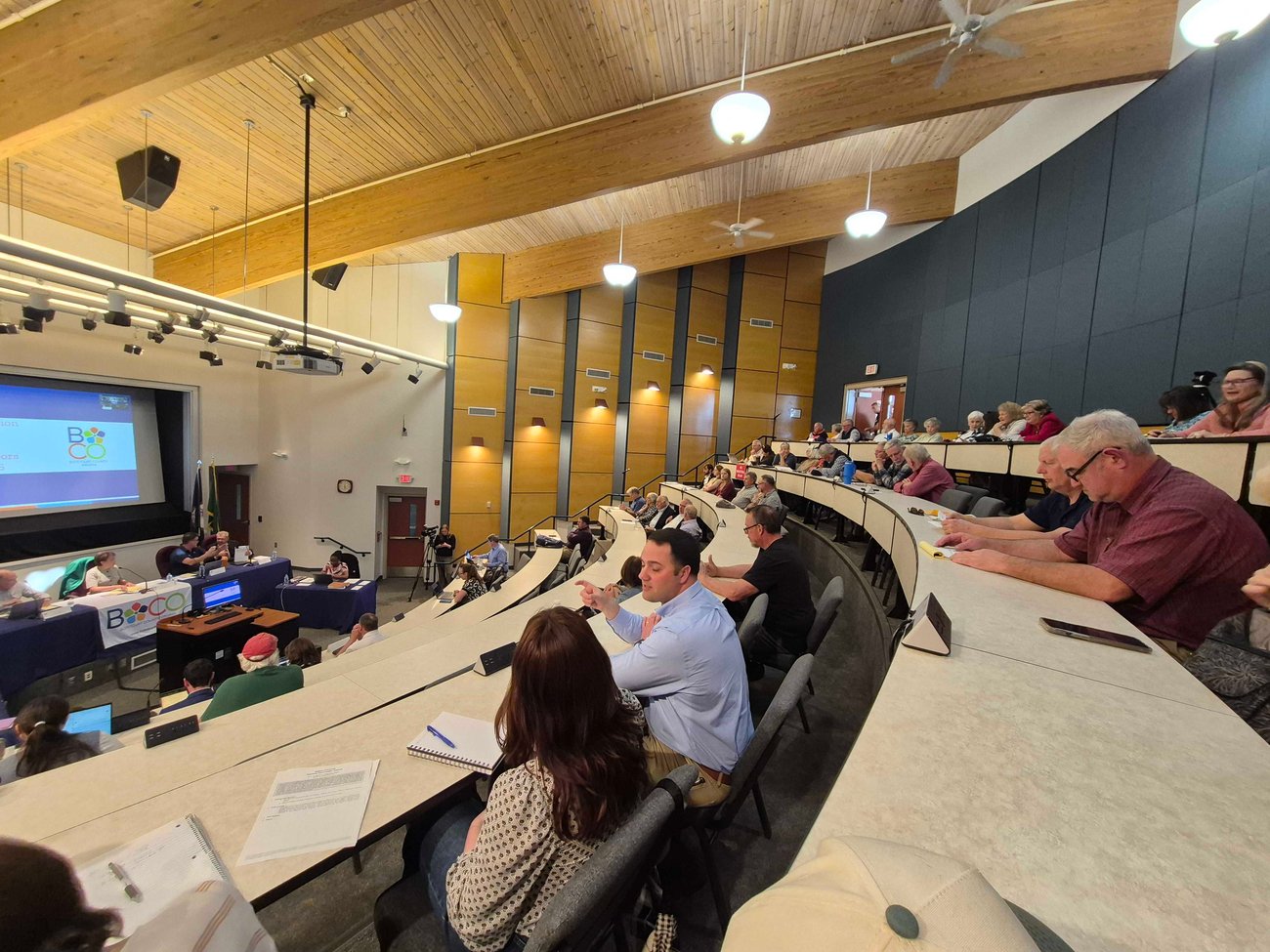
On Tuesday morning, Energy Right visited the Dominion Energy Innovation Center (DEIC) for their monthly Coffee & Connect event. There, we spoke and chatted with attendees about our recent statewide efforts and touched on the legislation that advanced during the 2026 VA General Assembly and is likely to be signed in by the governor.
|
|
|
|
|
|
|
|
NEXT WEEK
We’ll be heading out to Accomack, Buckingham, as well as Gloucester
|
|
|
|
|
|
|
|
|
|
The U.S. added a record 27 GW of solar in 2025, with clean energy accounting for more than 90% of all new capacity, led by states like Texas and Florida. In contrast, Virginia saw a sharp slowdown, adding just 716 MW of solar and no new battery storage, even as electricity demand—driven by data centers—continues to surge. The gap highlights ongoing challenges around generation mix, infrastructure planning, and meeting long-term energy goals.
|
|
|
|
|
|
|