Happy Friday!
March 13, 2026
Last month, we released our 2026 Annual Clean Energy Survey. One thing this poll told us is that Virginians are more likely to support clean energy projects that also bring a benefit to local communities; 62% are more likely to support solar projects that allow continued agricultural use—such as grazing—that protect working lands and rural livelihoods.
A stable, secure, and cost-effective energy portfolio remains key to Virginia’s bright future. Virginia can and should achieve energy independence and energy dominance with an all-of-the-above strategy. Learn more about our poll here: https://energyrightus.org/new-energy-right-poll-the-increase-in-energy-support/
From Balcony to Full-Scale Solar
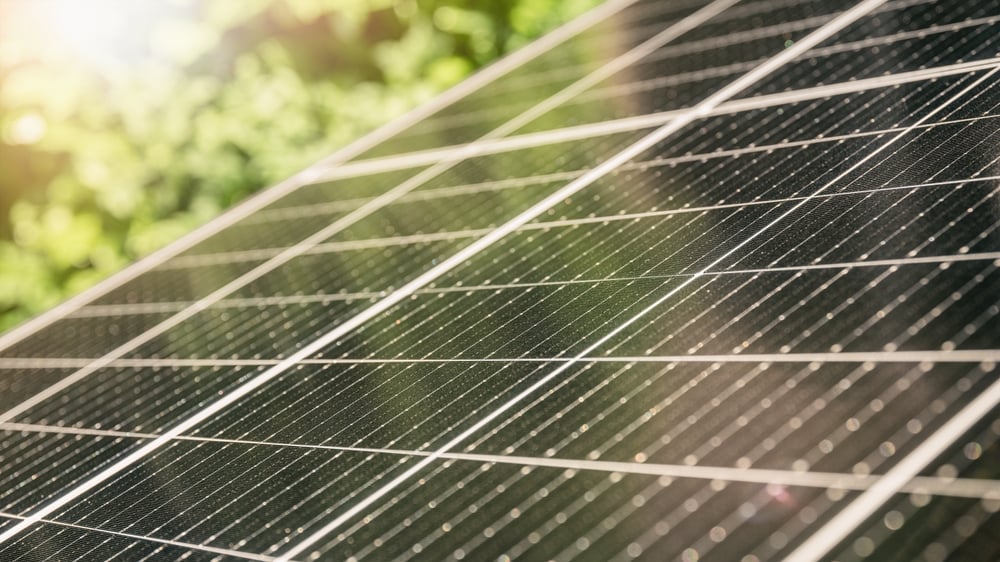
In a bipartisan vote this week, the Virginia Senate passed legislation allowing “balcony solar” systems for residents across the Commonwealth. The bill, SB250, co-patroned by Scott Surovell and David R. Suetterlein, would prevent local governments from prohibiting the use of small portable solar generation devices on residential structures, provided they meet certain safety standards. While these systems are small in scale, they reflect the larger image: solar energy can provide practical, cost-effective power in a wide range of settings to help reduce energy costs for all of us in the Commonwealth.
The legislation establishes a framework for these plug-in solar units, which are often installed on balconies or patios, and requires built-in safety features that prevent the device from energizing a building’s electrical system during a power outage. It also ensures tenants can install qualifying devices in certain circumstances and bars utilities from imposing interconnection requirements, charging fees, or requiring approval before a customer installs or operates one. Importantly, these systems would not participate in existing net metering programs, meaning they function primarily as consumer-owned devices for personal electricity use rather than grid-exporting generation.
The bill also directs the Virginia State Corporation Commission to publish a customer notification form by September 1, 2026 for residents who install a device. The Senate bill has a companion in the Virginia House of Delegates, HB395, carried by Paul Krizek. Before the legislation can reach Governor Spanberger’s desk, both chambers must agree on identical language. If differences remain between the House and Senate versions, lawmakers will need to adopt each other’s amendments or otherwise reconcile the bills before final passage.
While balcony solar isn’t supposed to power entire communities, it serves as a useful example of how solar technology can help lower energy costs and expand energy options for consumers. We are also seeing the same growing momentum at the utility scale, where large solar projects generate affordable electricity for thousands of homes and businesses while strengthening the grid. Together, innovations both small and large demonstrate the growing role solar energy can play in delivering reliable, cost-effective, and clean power for Virginia.
What We’re Thinking
Community Concerns and the Path Forward for Energy Development
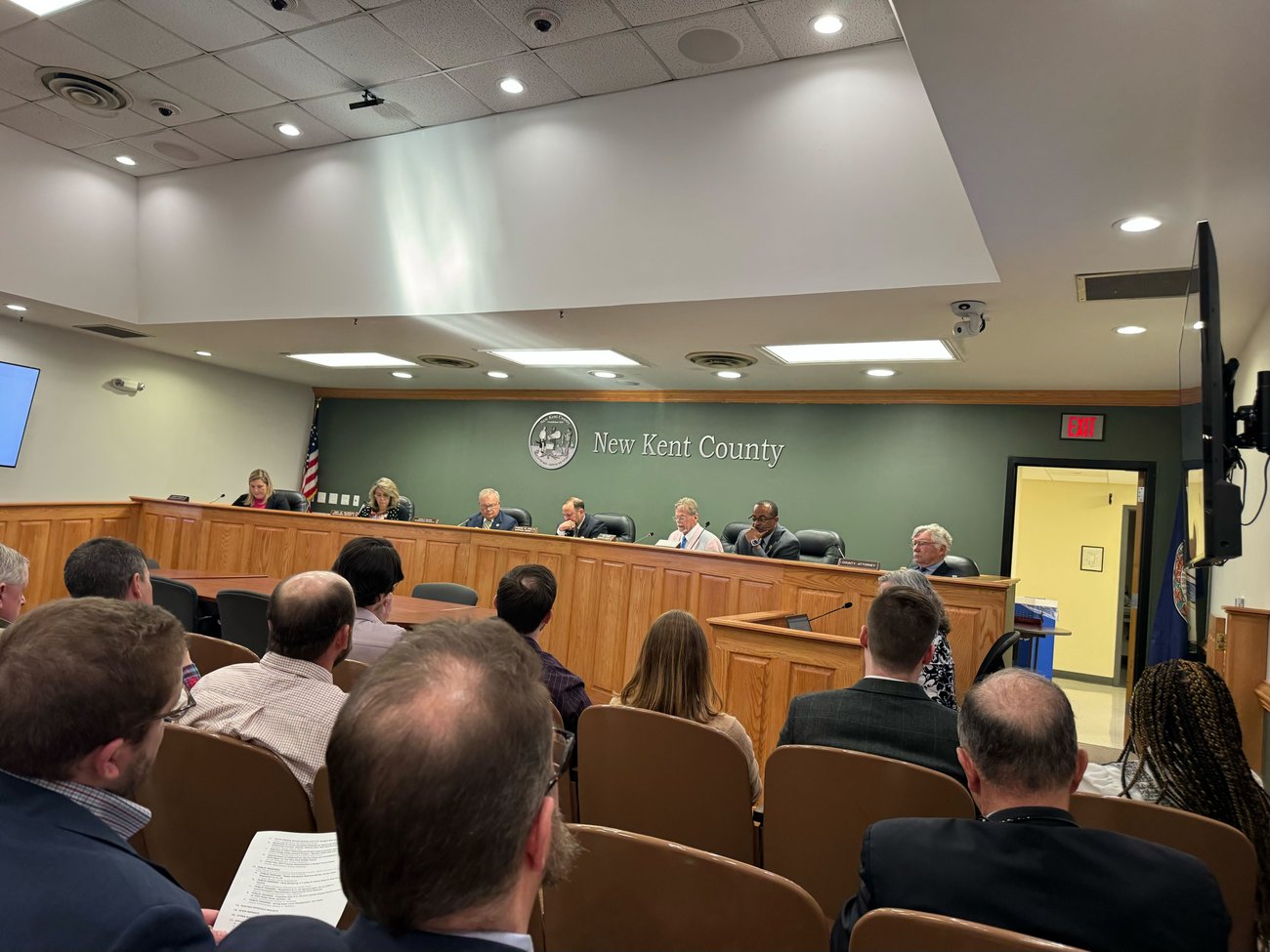
This week in the field brought a message we see reoccurring often in Virginia: conversations around energy development are still met with deep concern, strong opinions, and a desire from communities to maintain the character of where they call home. At public meetings on proposed energy projects, residents raised questions about siting, stormwater runoff, environmental impacts, and the potential disruption of rural life. Many of the sentiments reflected a broader unease with change, particularly when projects are perceived as being placed too close to where people live.
In one community, a vote on a proposed project was ultimately tabled after hours of public comment. In another, a proposal faced a denial after a similar wave of concerns from residents. Elsewhere, local officials are just beginning to gear up for what energy and large-scale infrastructure development could mean for their counties in the years ahead. These moments do not signal that development is a losing battle. Rather, they show that localities are actively wrestling with how to approach growth, investment, and infrastructure in a way that reflects the priorities of their communities.
For Energy Right, weeks like this show both the challenge and the importance of our work. Energy development in Virginia remains an uphill conversation, but a welcome one. Our team is grateful for the opportunity to listen, engage, and take part in these conversations so that all viewpoints are heard and understood. That dialogue is essential to making sure Virginia continues to lead on energy production, economic opportunity, and long-term reliability.
Where We Went

This week the Energy Right team was in Botetourt, Culpeper, New Kent, and Southampton counties!
FROM THE ROAD
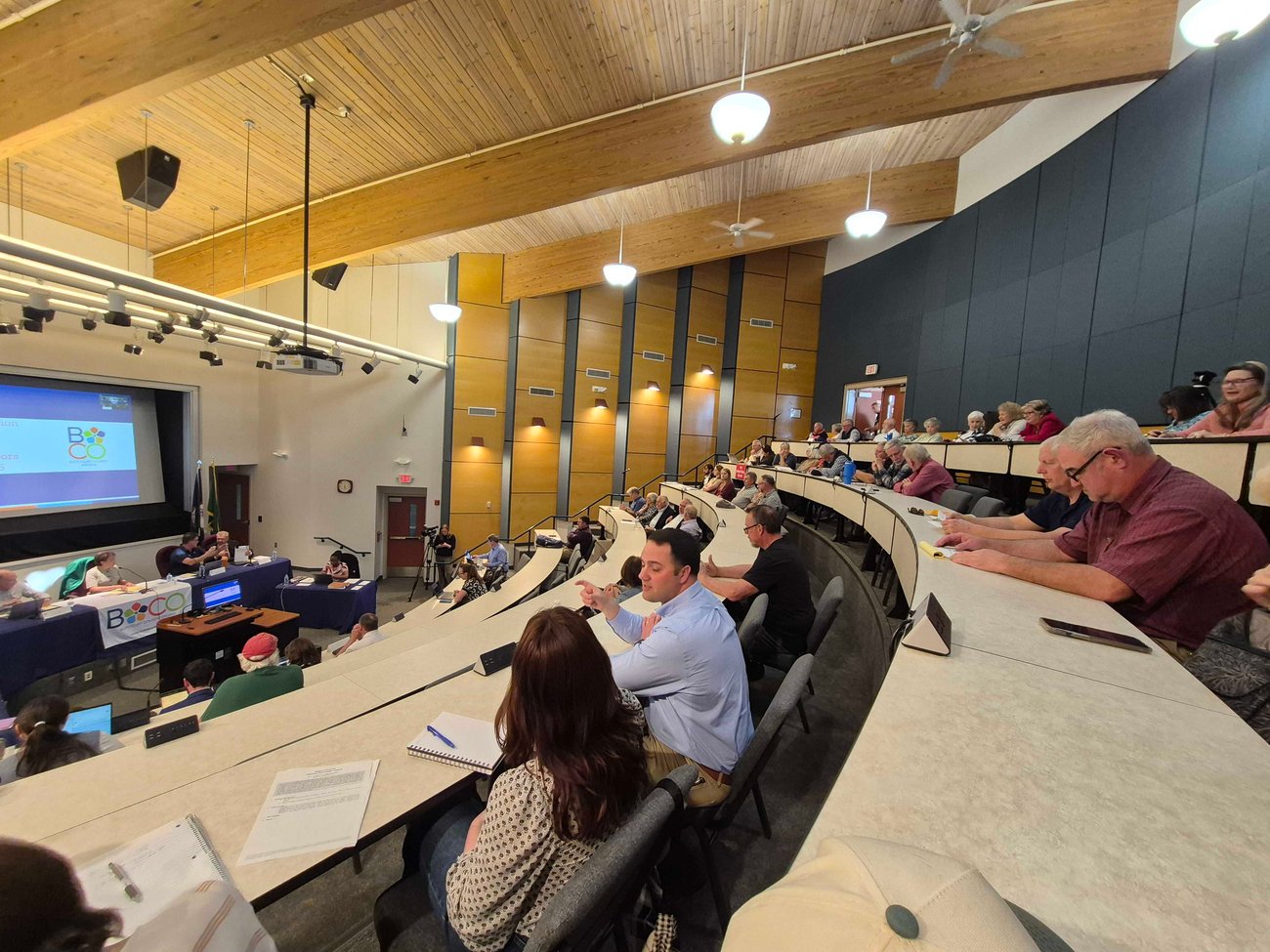
On Monday night, the Energy Right team attended a Planning Commission meeting where a community scale solar project was being voted on. This project aims to participate in the Appalachian Power shared solar program for being a DG project on the local grid. The PC had many questions on location, water runoff, and environmental concerns. Attendees reiterated those same concerns and questions about the project, and it was an overwhelmingly opposing crowd. However, the PC seemed to be more reasonable on how to approach this project and asked the developer to bring back some more information on those 3 areas in a couple of months. They voted to table the project until the June meeting.
WHAT NEXT?

NEXT WEEK
We’ll be heading out to Halifax, Hanover, and Spotsylvania.
What We Read
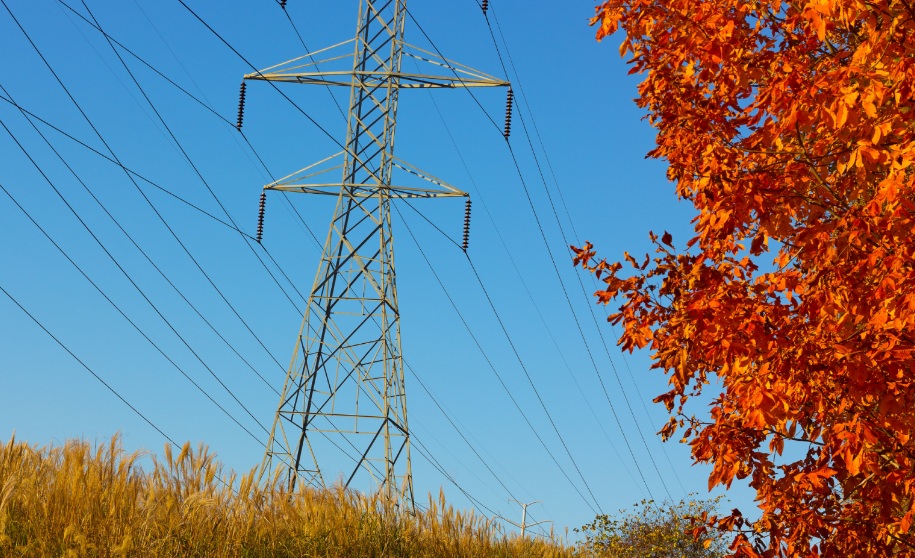
Virginia lawmakers have advanced a first-of-its-kind bill aimed at improving “grid utilization,” seeking to lower energy costs by making better use of existing transmission infrastructure. The legislation directs utilities and regulators to measure unused grid capacity and explore solutions such as battery storage, virtual power plants, and other technologies to reduce the need for expensive new infrastructure. Supporters say the approach could help manage growing electricity demand—driven by data centers, electrification, and manufacturing—while limiting rising power bills.