Happy Friday!
May 1st, 2026
This week, the Energy Right team was in Augusta County where a community meeting regarding a proposed
4.7 MW solar project took place. The project would be part of the shared solar program, allowing for bill credits on energy bills. We also attended the Middle Peninsula Breakfast Club to sit in on a meeting from Hexagon Energy. Energy Independence comes from the ground up!
The Dust Settles on Session

It’s clear that energy reliability and affordability have been a crucial topic for Governor Spanberger, only made clearer through legislation. One attempt to address the affordability issue in Virginia is a bill that allows utilities to enter into agreements with high-load energy customers to invest in new substations that serve only those customers. Budget deliberations are still ongoing, but most of the dust has settled on Virginia’s 2026 legislative session, and now the conversations will shift to localities. Among the Governor’s push to increase battery storage capacity targets, a number of bills have passed and how localities will seek to address those bills will impact clean energy in the
Commonwealth.
HB711 establishes solar standards for localities to include in their local ordinances – such as specifications for setbacks, fencing, solar panel height, visual impacts, grading, and a decommissioning plan for solar energy equipment and facilities. There are fears, including a story by Canary Media released this week that claims the bills will block counties from banning solar. While the bill requires counties to develop ordinances and establish responsible decision-making standards for solar projects, it does not ban counties from denying projects. Similarly, HB895 directs the Department of Environmental Quality to create model ordinances for battery storage projects that localities may use in their consideration of such projects. These bills don’t
require localities to accept projects—but they do give county governments a better understanding of what a good project can look like, as well as creating clearer expectations for the future of energy in the Commonwealth.
Thanks to the work done this session, counties now have stronger guidance on structuring ordinances, evaluating projects, and incorporating emerging technologies such as energy storage. Just as importantly, it is our hope that localities will have more confidence in the process itself, with clearer expectations around how projects should be reviewed, approved, and managed over time.
What We’re Thinking
The Valley Link Transmission Corridor
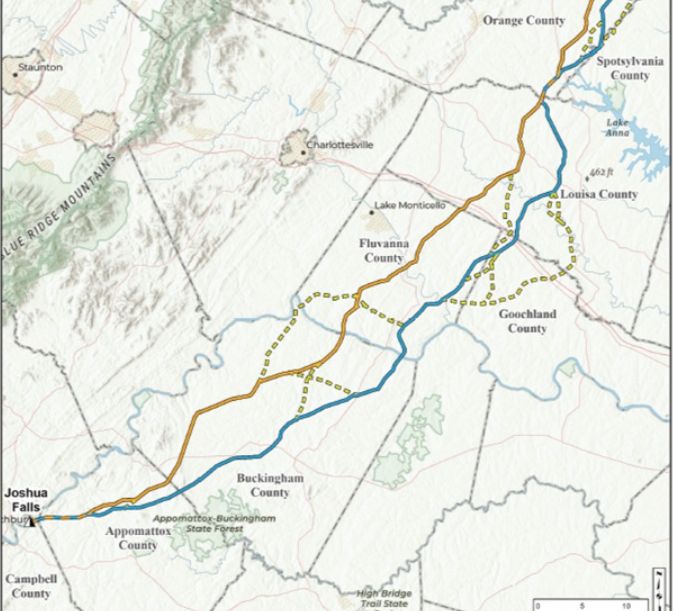
In recent weeks, new local opposition has begun to organize against the proposed Joshua Falls–Yeat Transmission Line Project, also widely referred to as the Valley Link Transmission Corridor. The line would stretch from Campbell County to Culpeper County, cutting across a wide swath of Central Virginia. Designed to function as an “interstate of electricity,” the project is intended to deliver large volumes of power from Lynchburg and surrounding areas up to Northern Virginia, where electricity demand continues to surge due to rapid data center expansion and broader electrification trends.
Local reporting out of Orange County shows that residents along the proposed route are beginning to mobilize in opposition, with concerns centered on property impacts, loss of rural character, and the potential use of eminent domain. Homeowners have voiced concerns about 135 to 165 foot transmission towers, wide cleared easements, and long-term reductions in property value, particularly for agricultural land and multi-generational family properties that could see significant impacts to land use and their viewsheds.
A key tension emerging in this debate is geographic fairness. Many residents argue that communities without data center development, such as Orange County, are being asked to absorb the infrastructure impacts needed to support growth in Northern Virginia localities like Loudoun County, Prince William County, and Fairfax County. This dynamic is reinforcing broader concerns about whether the benefits of economic development are being equitably distributed across the Commonwealth.
Leaders in Spotsylvania County have formally expressed concern about the project’s impact on agricultural and forestal districts, while some state lawmakers have questioned whether transmission buildout is being prioritized over more localized generation solutions closer to demand centers.
For Energy Right, we view this situation from the lens that major energy infrastructure decisions shouldn’t come at the expense of the landowners and communities expected to host them. As projects like the Valley Link corridor move forward, it’s essential that affected residents are given meaningful opportunities to engage early, understand potential impacts, and help shape outcomes in ways that reflect their local priorities.
Where We Went
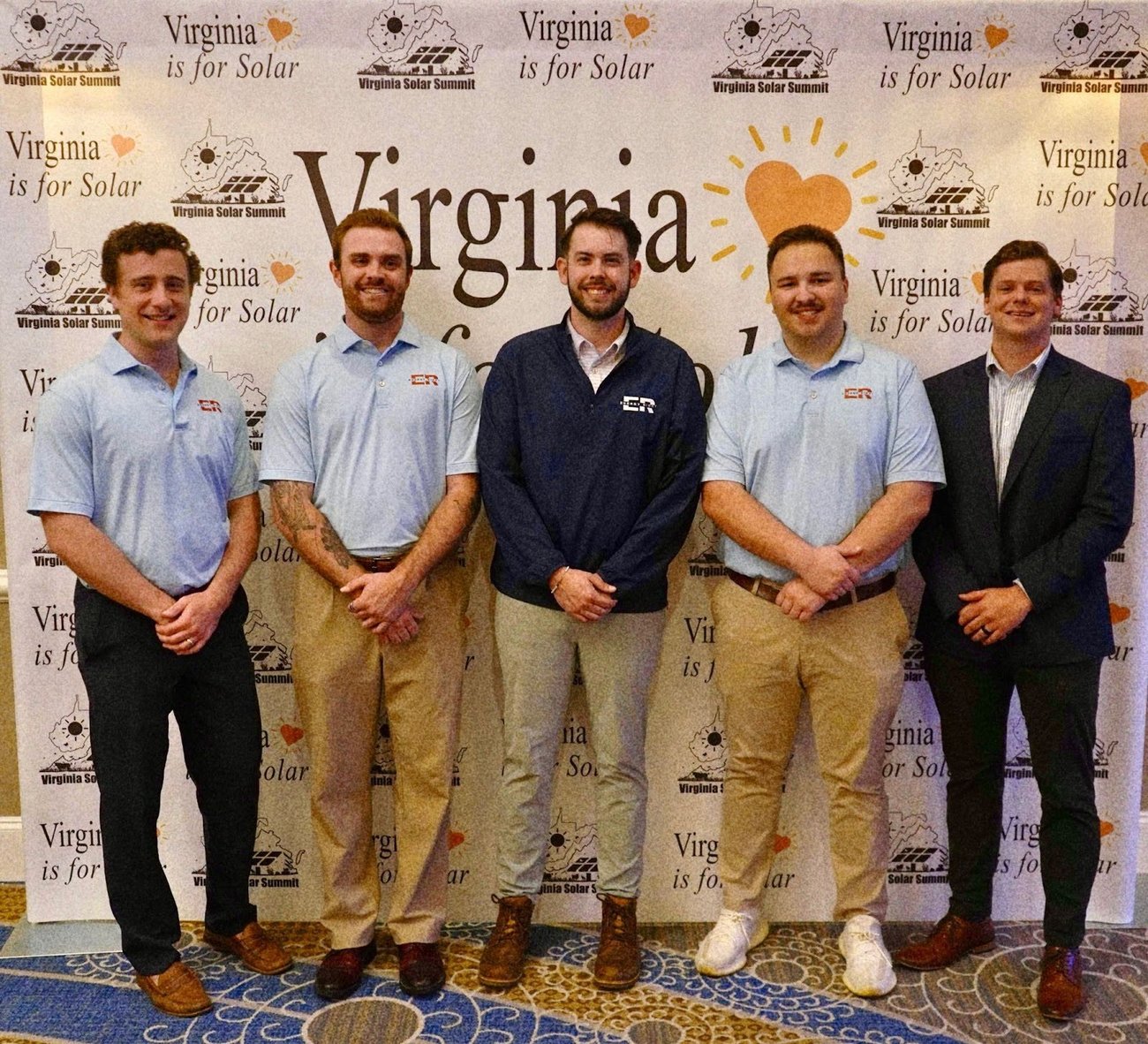
This week Energy Right team was in Augusta, Chesapeake, and Gloucester counties!
FROM THE ROAD
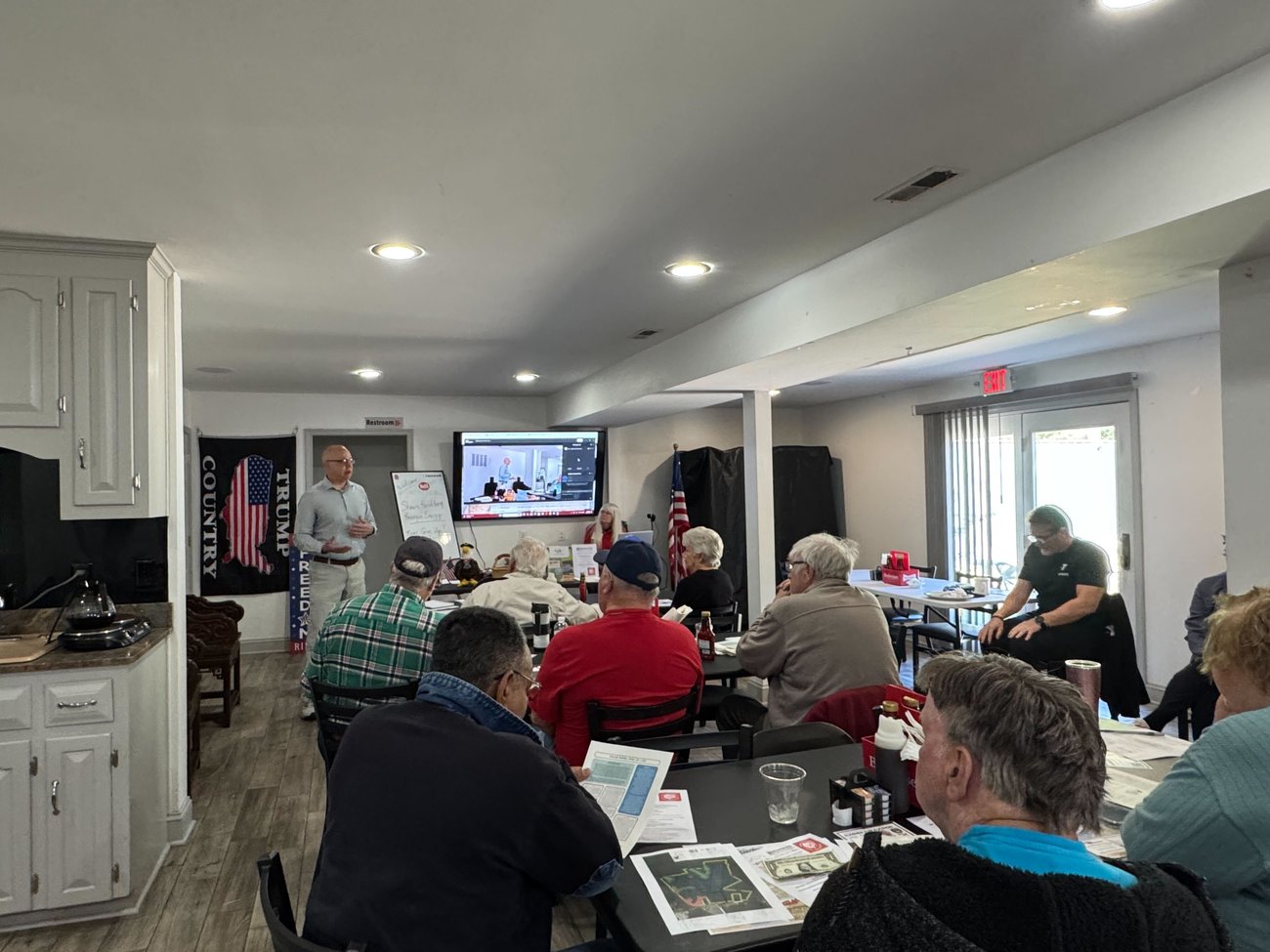
On Monday morning the Energy Right team attended the Middle Peninsula Breakfast Club meeting where we
got to listen to a presentation from Hexagon Energy regarding both of their 6MW distributed solar projects that will be coming before the Gloucester county Planning Commission in early May.
WHAT NEXT?

NEXT WEEK
We’ll be back in Gloucester county, as well as visiting Goochland, and Hanover counties.
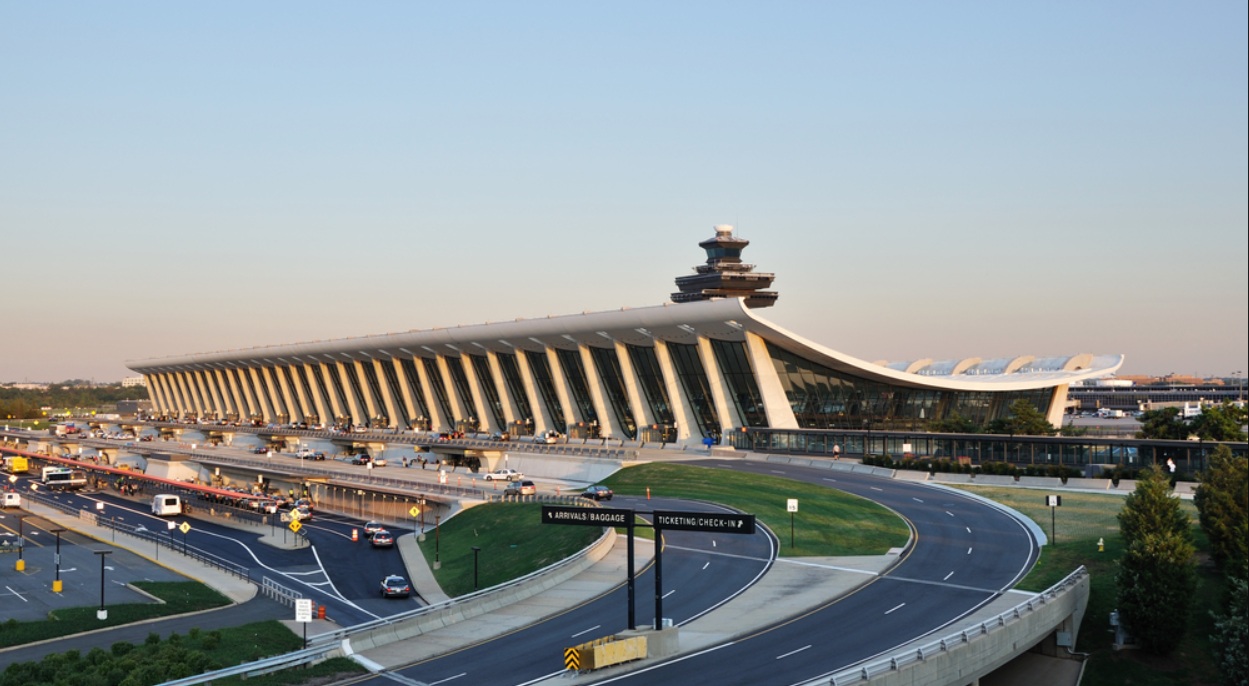
Dominion Energy Virginia, Metropolitan Washington
Airports Authority to explore development of solar project at Dulles International Airport
– Daily Energy Insider
“Dominion Energy Virginia and the Metropolitan Washington Airports Authority recently announced that
they will jointly study the development of a 100-megawatt solar energy project at Washington Dulles International Airport.
Dominion Energy signed a sublease with the Airports Authority to begin feasibility studies for the project. Electricity generated from the solar project would connect to Dominion Energy’s existing transmission line on Dulles International Airport property.”