
Happy Friday!
April 24, 2026
This week, the Energy Right team attended a Chamber of Commerce Business After Hours in Mechanicsville,
and a Chamber of Commerce luncheon in Chesterfield. As we see the final amendments to some of the House Bills being made and signed by Spanberger, now is a more crucial time than ever for counties to understand the planning and implementation of clean energy in the Commonwealth.
Energy Legislation Amendments
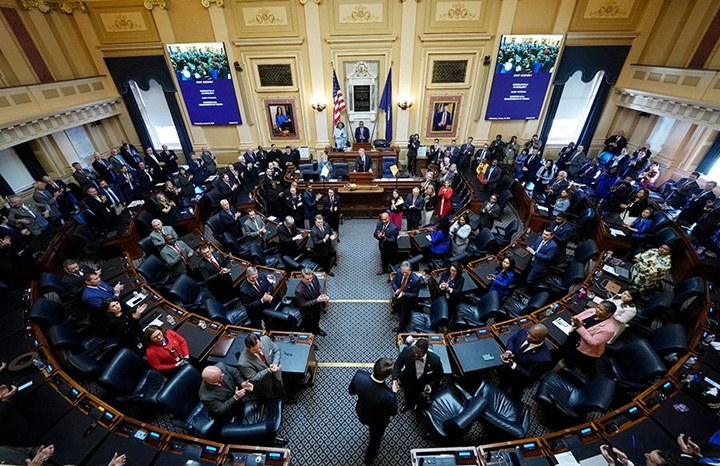
This week, the Virginia General Assembly reconvened with two major goals: finalize a budget and discuss the amendments presented by Governor Spanberger – all 180 of them. Following her signature and the reconvened session, we now have a gauge of where energy legislation is heading and what will become law later this year.
Of those amended, HB711 and HB891 were two bills sent back to the General Assembly for review. HB711, the solar ordinance standards bill, establishes clearer expectations around setbacks, decommissioning, and project oversight, addressing long-standing inconsistencies in how projects have been reviewed across jurisdictions. The bill provides a
more uniform baseline, but it does not remove counties’ ability to shape outcomes. Instead, it provides a baseline for counties to refine local standards, incorporate community input, and apply conditions that reflect local priorities. This bill was amended by the Governor, but mainly just to clarify wording – changing “permits” to “laws,” and clarifying definitions.
HB891 however, received more substantive amendments. The bill allows battery energy storage systems to be added as a permitted accessory use to solar projects that have already received a special exception. The bill eliminates the need for a separate land use approval for storage on the same parcel, and the addition of battery storage cannot alter payment obligations or siting agreements with the approved solar project. However, localities retain authority over safety standards, emergency response planning, and voluntary siting agreements. The Governor made an amendment to this bill that limits the size of the added battery storage project to not exceed the capacity of the solar project.
Both bills, and their amendments, were approved in the House and Senate and the Governor on April 22nd and will become law on July 1st, 2026.
What We’re Thinking
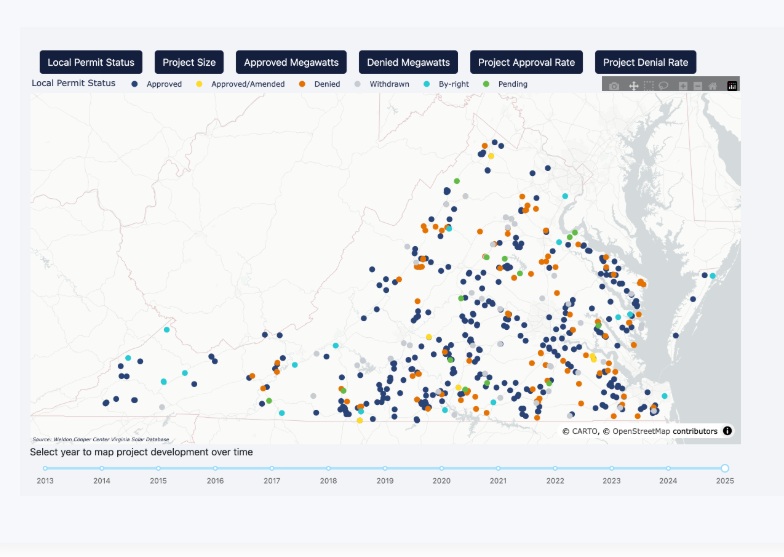
The Cooper Center Solar & Battery Database
Where We Went

This week Energy Right members visited both Chesterfield, Hanover, as well as Mechanicsville counties!
FROM THE ROAD

On Thursday, Energy Right attended the Hanover Chamber of Commerce Business After Hours event hosted
at S&S Painting LLC in Mechanicsville. We enjoyed chatting with chamber members and staff about local priorities, upcoming events, and ways that our team can stay involved.
WHAT NEXT?

NEXT WEEK
We’ll be in Chesapeake, Gloucester and more next week.
Recent News
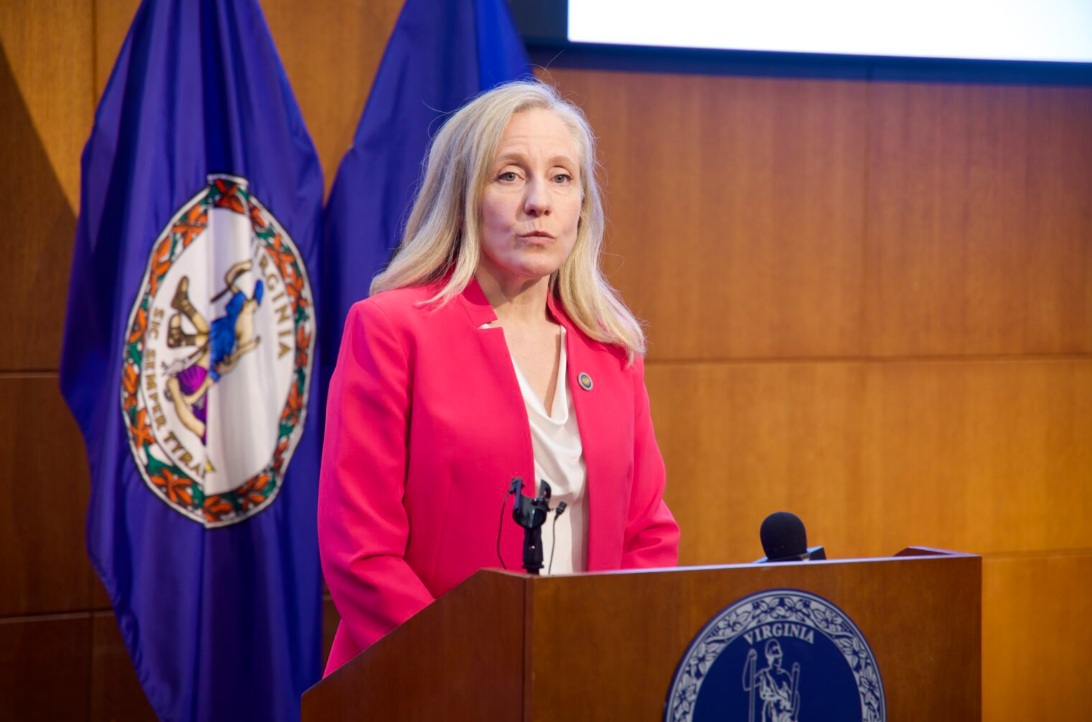
lawmakers OK governor’s tweaks to major energy
bills, reject health and labor bill amendments
– VA Mercury
Virginia lawmakers reconvened to review Governor Abigail Spanberger’s amendments to a wide range of
bills, revealing both alignment and divisions on key policy issues. Lawmakers accepted changes to measures addressing energy costs, including provisions directing regulators to ensure high-load users like data centers pay their fair share, while preserving funding for weatherization programs.
However, proposals to limit utility profits and further cap infrastructure costs were rejected, reflecting ongoing debate over affordability and regulation. With several amendments still unresolved and budget negotiations continuing, the decisions ahead will shape how Virginia balances rising energy demand, infrastructure investment, and consumer costs.