Happy Friday!
July 10, 2026
We’re back after a hot Holiday weekend last week, and now we’re looking at what new energy shifts are coming in Virginia. Gloucester approved two utility scale projects, and we take a look at what distributed solar can do for the average person. It’s the small changes that add up to make a big different, the Right Way.
Why Distributed Solar Matters
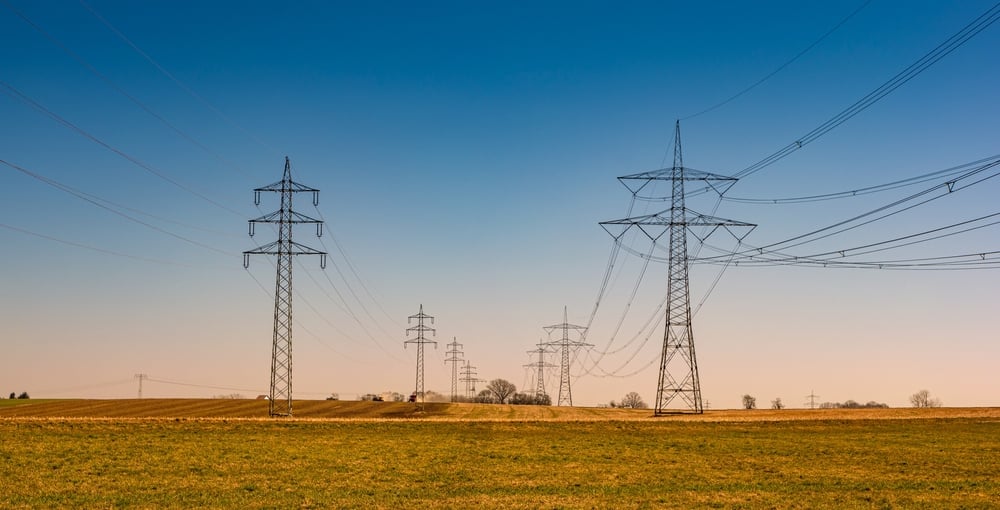
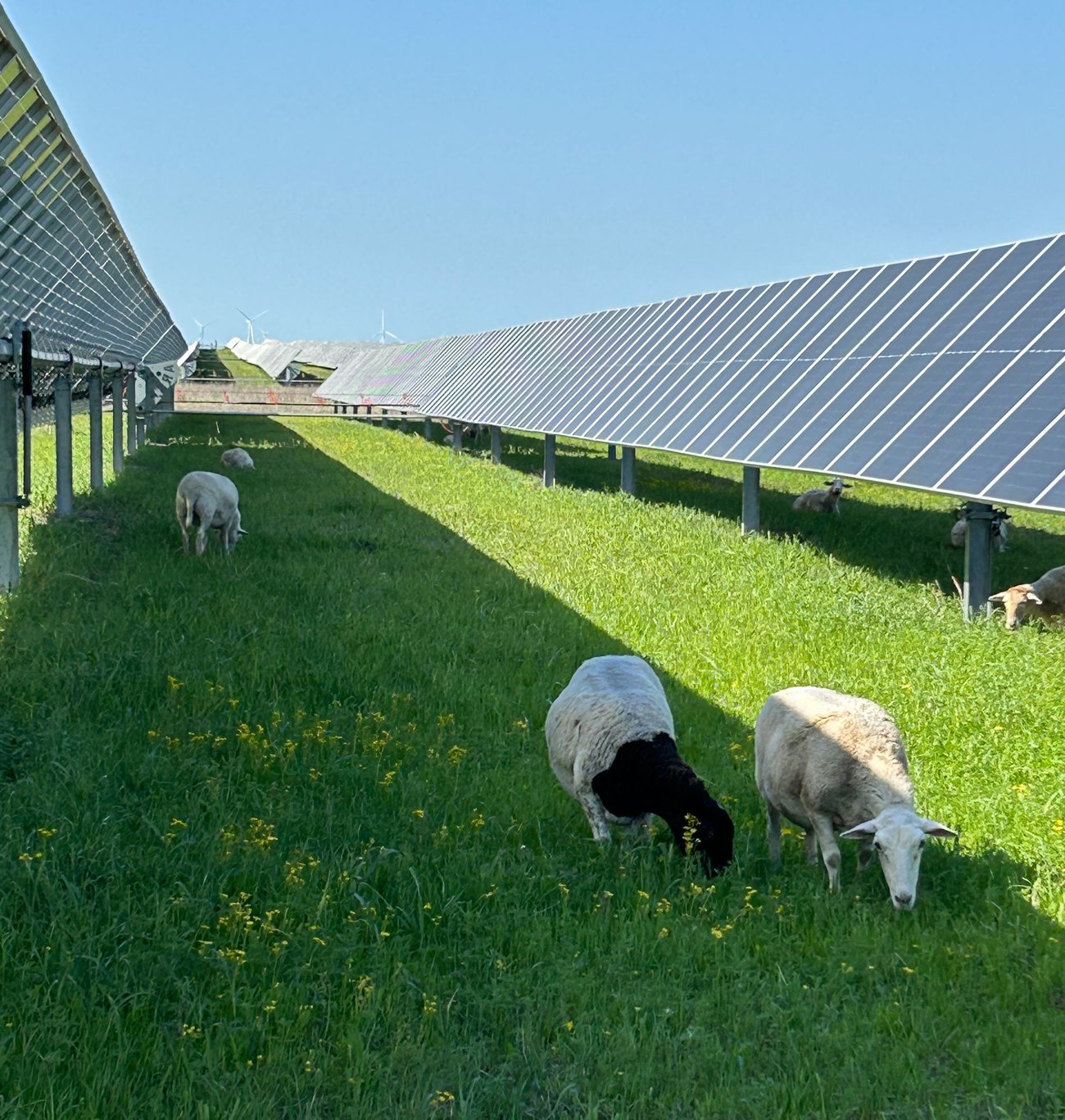
Virginia’s growing energy demand has put renewed attention on how and where we generate electricity. One solution gaining traction is distributed solar—projects that connect directly to the local distribution grid instead of the high-voltage transmission system. By delivering electricity closer to the homes, farms, schools, and businesses that use it, these projects provide a direct local benefit while respecting the property rights of willing landowners.
The distinction is becoming increasingly important as concerns grow over the energy demands of large data center developments. Virginia’s largest solar facility, the 620-megawatt Spotsylvania Solar Energy Center, is one of the largest projects on the East Coast. Yet a project of that capacity still would not generate enough electricity to meet the needs of many of the large AI-focused data center campuses now being proposed. It’s a reminder that no single project or technology can meet Virginia’s future energy needs on its own.
That reality helps explain why distributed solar is finding success across much of rural Virginia. Communities that may hesitate to approve large transmission-connected projects are often far more receptive to distributed solar because the benefits are easier to see and stay closer to home. These projects strengthen the local electric grid, generate tax revenue, create opportunities for willing landowners, and help meet the energy needs of the surrounding community. For many rural counties, distributed solar isn’t like every other energy project—it’s an investment that delivers visible local value while giving landowners another opportunity to decide how their property is used.
FROM THE ROAD
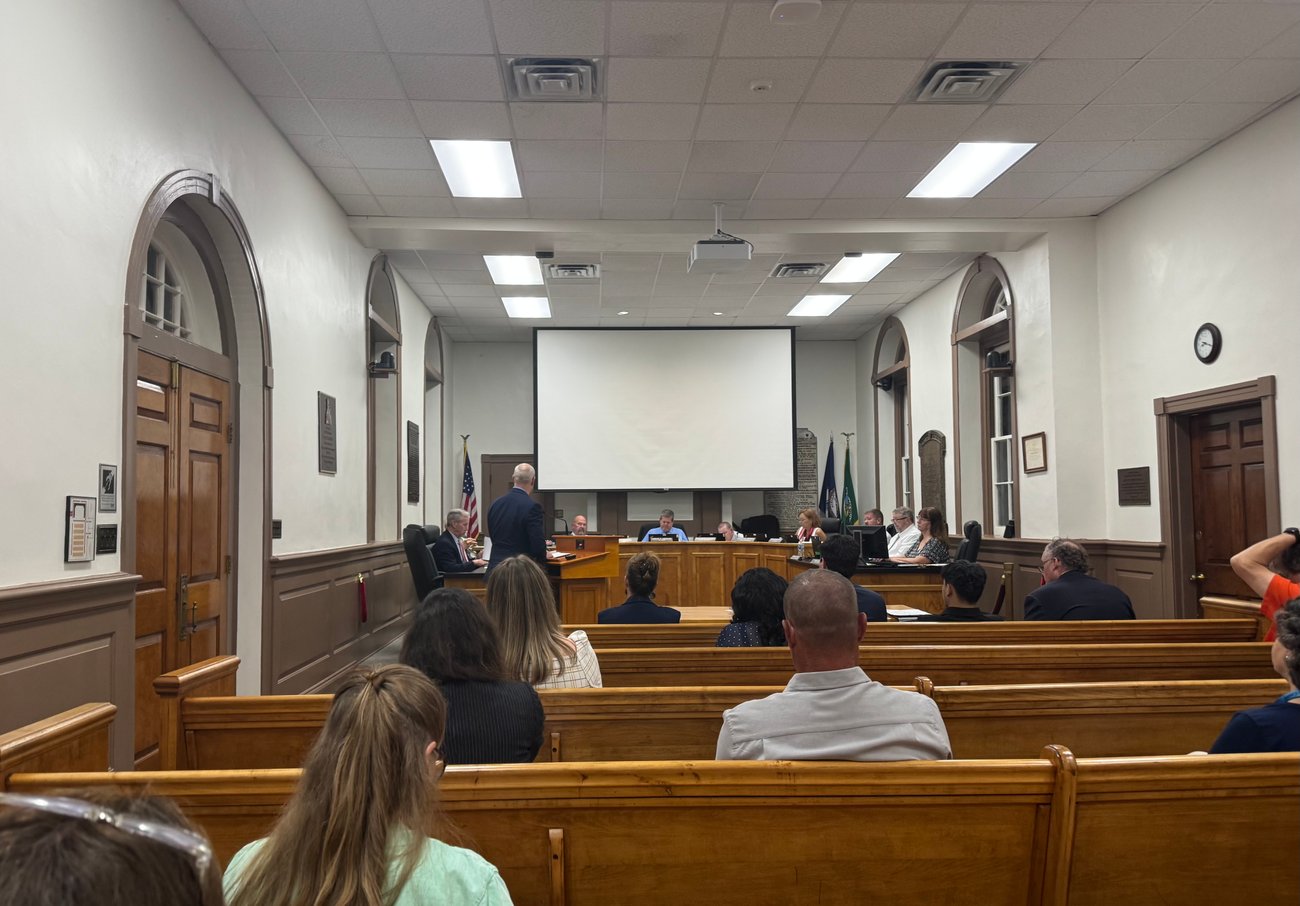
On Tuesday the Energy Right team attended the Gloucester County Board of Supervisors July meeting to speak during the public hearings regarding two utility scale projects being proposed in the Petsworth district. Both projects had been presented to the Board at the prior June meeting, but the siting agreements were not properly advertised in time due to a delay in the change of administrative leadership, therefore, the Board deferred all motions until July as a formality. After the separate public comments, the Board voted to approve the siting agreements as well as the conditional use permits in identical 6 Y to 1 N votes.
What We’re Thinking
Nextera &Dominion Merger Raises More Questions

Virginia Lt. Governor Ghazala Hashmi sent a letter this week to the State Corporation Commission that urged the Commissioners to ask more questions about the merger between Dominion Energy and Nextera. The SCC process already includes 28 baseline questions that companies must answer before official consideration of the merger begins, and Hashmi added 64 more. Many of her questions surround how the merger would affect customers, competition, reliability, and Virginia’s long-term energy policies. Her argument is that a transaction of this size deserves additional scrutiny to ensure the public interest is protected before any final decision is made.
While the effects of this merger will not be seen by ratepayers for quite some time, the biggest question is what the merger could mean for monthly electric bills. Supporters argue that combining the two utilities could produce efficiencies, strengthen the grid, and provide immediate customer credits, while critics worry that reduced competition and future cost recovery could ultimately lead to higher rates if regulators fail to establish strong safeguards. Regardless of whether the merger moves forward, the debate underscores a harsher reality: Virginia’s rapidly growing electricity demand requires significant investment in new generation and grid infrastructure. Ensuring those investments include cost-effective resources like solar and battery storage will be essential to maintaining reliable service while helping keep long-term energy costs as affordable as possible for Virginia households and businesses.
Where We Went

This week, the Energy Right team was in Culpeper, Gloucester, Hanover, and Lunenburg counties!
Recent News
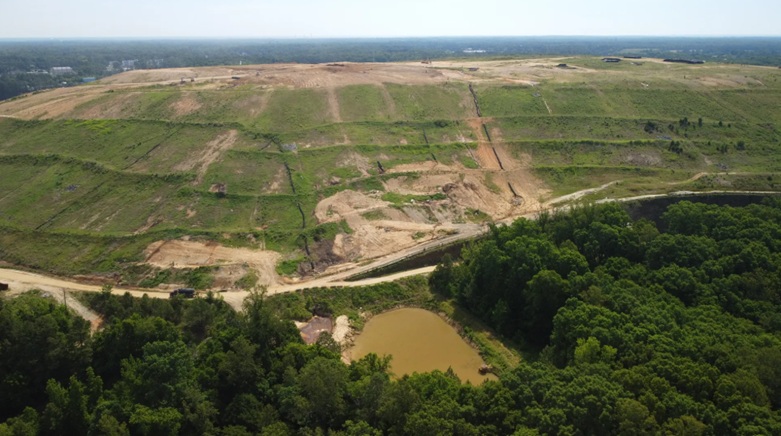
What’s next for Chesterfield’s $173M Shoosmith Landfill cleanup
– Axios Richmond
“Virginia lawmakers are demanding the release of environmental test results at the bankrupt Shoosmith Landfill as work to stabilize the site moves forward, saying they want proof that it poses no public health risks.
Why it matters: The Chesterfield landfill has become one of Virginia’s biggest environmental cleanup challenges, with an estimated $173 million cleanup cost that may ultimately fall to taxpayers.”
WHAT NEXT?
NEXT WEEK
We’ll be going to Hanover County as well as attending the Georgia Solar Summit!
Want to keep up with Energy Right? Sign up, and forward to a friend!