|
|
|
Happy Friday!
August 28, 2026
|
|
|
 |
|
|
|
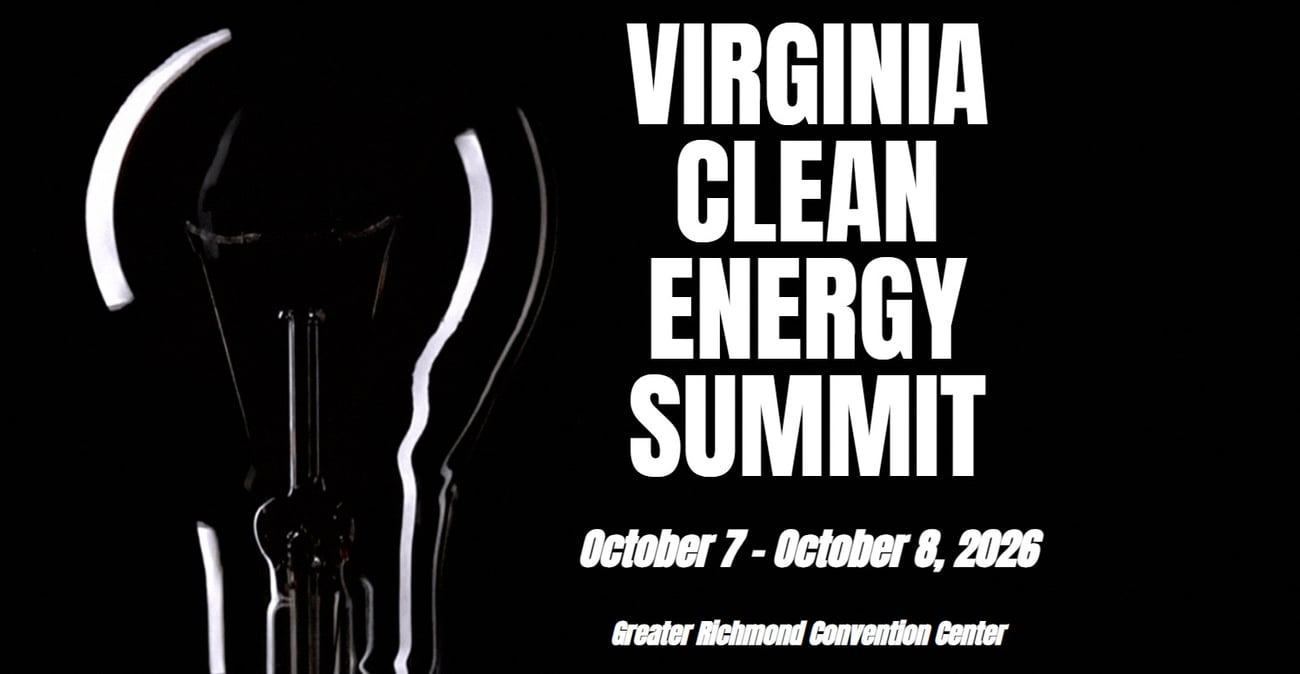
On behalf of the Virginia Alliance for Clean Energy (VACE), we are pleased to invite you to attend the 2026 Virginia Clean Energy Summit (VACES), October 7–8, 2026, at the Greater Richmond Convention Center.
As the lead organizer of VACES, VACE brings together hundreds of leaders from across
Virginia’s energy industry, state and local government, utilities, businesses, nonprofits, academia, and other sectors for two days of discussion, education, and collaboration around the
Commonwealth’s energy future. This year’s Summit will feature a robust agenda addressing many of the most timely issues facing Virginia, including energy affordability, grid reliability and modernization, nuclear energy, energy storage, critical minerals, clean transportation, workforce development, transmission and distribution, energy efficiency, emerging technologies, financing, and economic development.
VACES provides government leaders and their staff an opportunity to hear directly from industry experts and community stakeholders, stay informed on emerging energy technologies and market trends, and connect with organizations and constituents working throughout the Commonwealth.
Complimentary registration is available to government officials and one staff member. We encourage you to attend the full Summit or join for the sessions most relevant to your work!
Register with complimentary government admission here. Full information on the event here.
Blayne Barras is the Executive Director of VACE, and you may contact her directly at blayne.barras@va-ce.org for specific questions and concerns.
|
|
|
|
|
|
Securing the Technology Behind America’s Grid
|
 |
|
Solar panel manufacturing
|
|
|
|
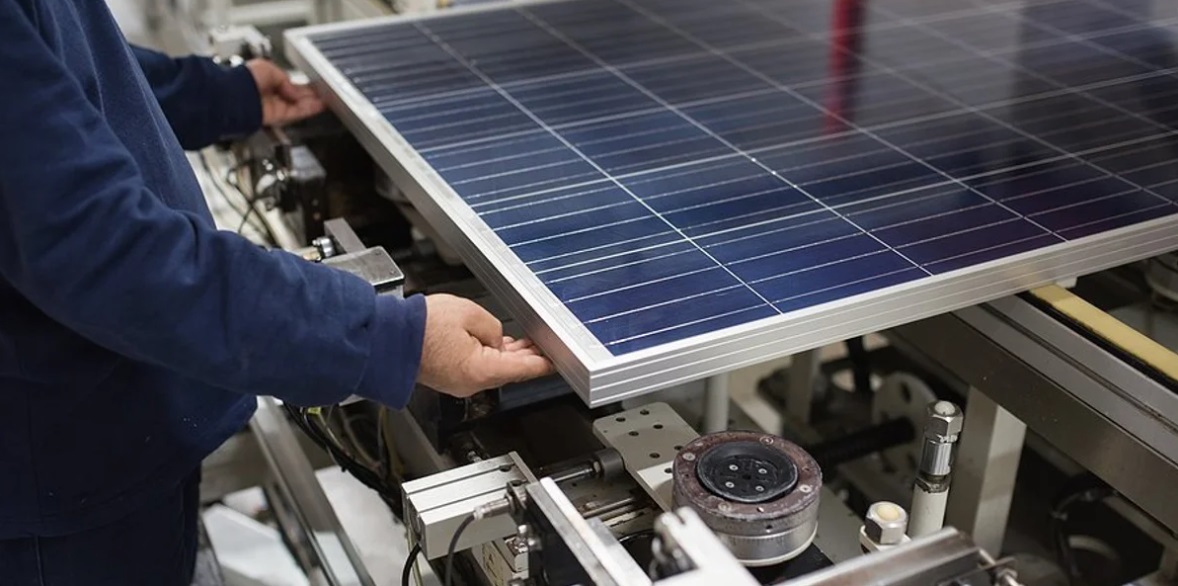
This week, President Trump signed an executive order aimed at strengthening the security and reliability of America’s bulk-power system by addressing risks associated with foreign-produced electrical equipment and the software and digital capabilities that operate it. For energy security, it isn’t only about how much power we produce. It also depends on the infrastructure and technology we’re relying on to generate, store, and deliver that power. That issue is particularly relevant here in Virginia, where we are continually seeing a buildout of new solar generation and battery energy storage projects, as well as looking at where these materials are sourced. There’s a good reason why more manufacturing factories have begun opening in the solar and battery sector within the states.
A modern solar or battery facility is much more than just panels or batteries sitting on a piece of property—these projects depend on inverters, transformers, power-conversion equipment, monitoring systems, communications networks, controls, software, and more to connect to and interact with the electric grid. Many of these systems also carry digital capabilities that can affect how a facility operates.
That doesn’t mean foreign-manufactured equipment is inherently unsafe, nor should every solar or storage project be viewed as a national-security concern. Federal policy already draws that distinction through the concept of a Foreign Entity of Concern (FEOC), which identifies foreign entities whose involvement in critical supply chains can create national-security or supply-chain risks. What it does mean is that responsible energy development requires a clear understanding of where critical equipment comes from, whether key suppliers have ties to FEOCs, how that equipment operates, and who has access to the systems controlling it. Developers should be prepared to answer reasonable questions about their equipment and supply chains.
Ultimately, we see this executive order as a litmus test from Washington, signaling to developers and manufacturers that the whole of energy development needs to be evaluated when it comes to sourcing and supplying the equipment. We need more responsible energy development that ensures the technology, equipment, and supply chains behind that energy are secure, reliable, and worthy of the public’s trust. |
|
|
|
|
|
FROM THE ROAD
|
 |
|
|
|
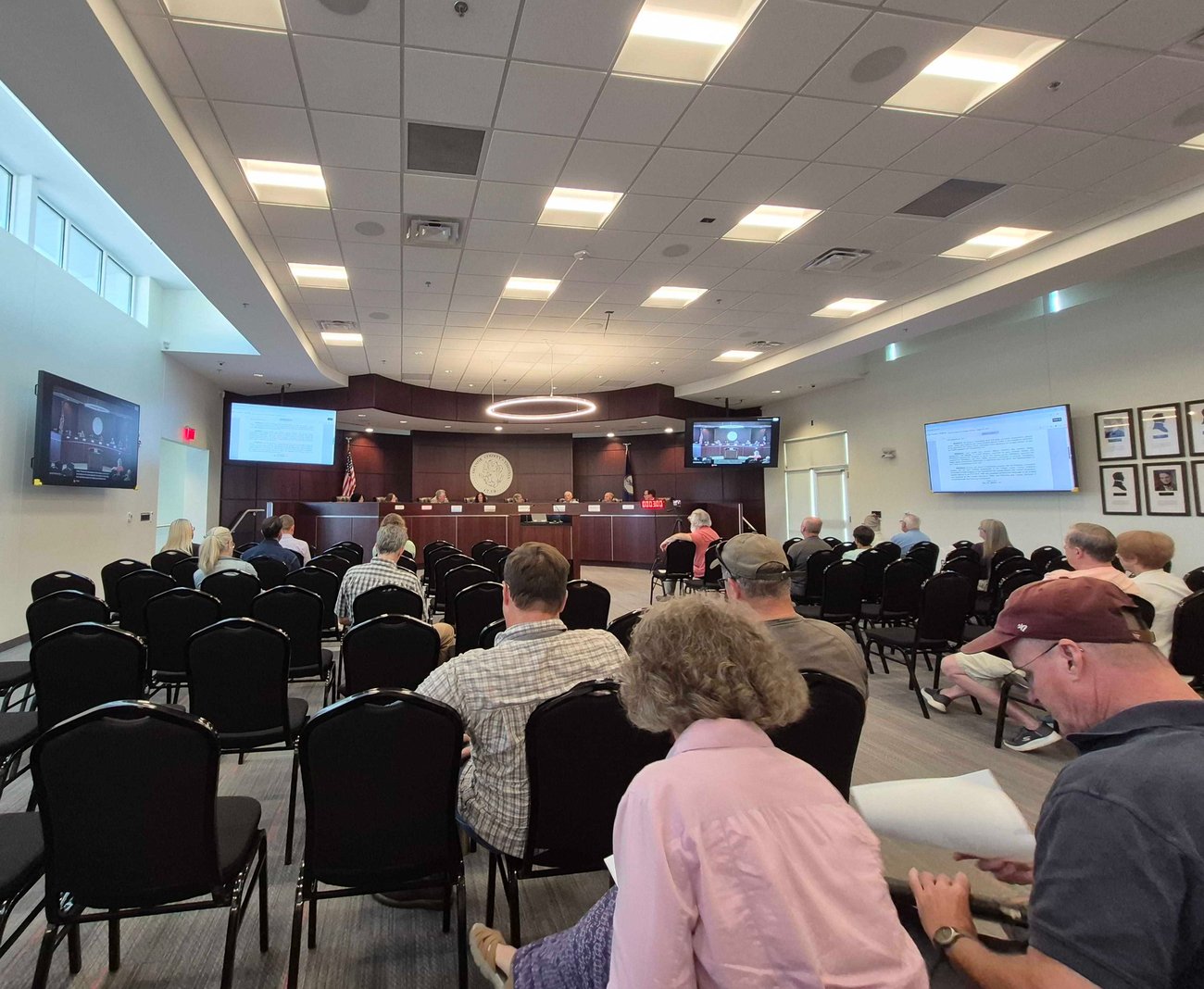
On Tuesday, the Energy Right team attended a BOS meeting where Orang County was discussing Valley Link, data centers, and energy as a whole. The county passed language that strengthens their position on transmission line development, while many citizens came out to voice concerns with over-development of their rural county. Many of the supervisors commended the citizen comment period, and said their input made these changes much more real.
|
|
|
|
What We’re Thinking
|
 |
|
Managing Demand with Supply
|
 |
|
|
|
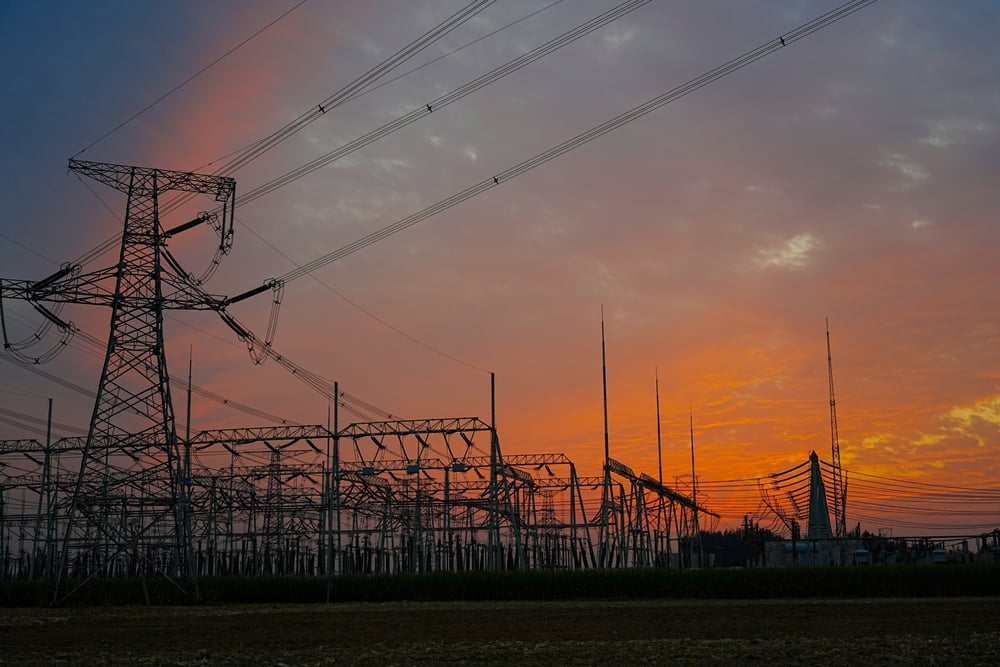
PJM, the regional grid operator of 13 states including Virginia, recently filed a proposal with the Federal Energy Regulatory Commission (FERC) that would put data centers that have not “brought their own power” to pay directly for new energy capacity or have their capacity needs covered through backstop power purchases first in line to be moved onto backup generators. This follows Virginia legislators’ calls for data centers to pay for their own power as affordability problems continue to rise for ratepayers across Virginia. If FERC approves this ruling, state utilities would need to adopt new policies through the State Corporation Commission outlining new cost allocations. Demand continues to rise in Virginia and across the country due to the influx of data centers and other large-load energy users, such as manufacturing and new industry. Data centers are bringing significant economic investment to the Commonwealth, but their enormous electricity demand is putting new pressure on the regional grid and contributing to higher costs.
Virginia should not respond to this increased demand by simply making large users pay their way by using generators or reducing their loads when the grid is strained. We need to address the simple truth – Virginia needs to build more power, and we need to build it quickly, affordably, and responsibly. Solar and battery storage can be an important part of that solution because they can be deployed far faster than many traditional generation projects and can provide additional power close to where demand is growing. Pairing new generation with storage can help Virginia meet the needs of data centers and other large energy users while strengthening the grid for everyone else. PJM itself has emphasized the need for new generation that can come online quickly as large loads grow.
The takeaway for Virginians should be straightforward—if we want the jobs, investment, and economic opportunity that come with new development, we have to be prepared to power it. That means making sure large energy users contribute appropriately to the infrastructure they require while also removing unnecessary barriers to new generation. Virginia cannot afford to have an energy policy that welcomes economic growth but makes it unnecessarily difficult to build the electricity needed to support it. A more diverse supply of domestically produced power will give Virginia more options, improve energy security, and help keep the lights on without placing an unfair burden on families and small businesses. |
|
|
|
|
|
|
|
|
|
|
|
Energy Right team members travelled to Hanover, King William, and Orange counties this week.
|
|
|
|
|
|
|
|
|
|
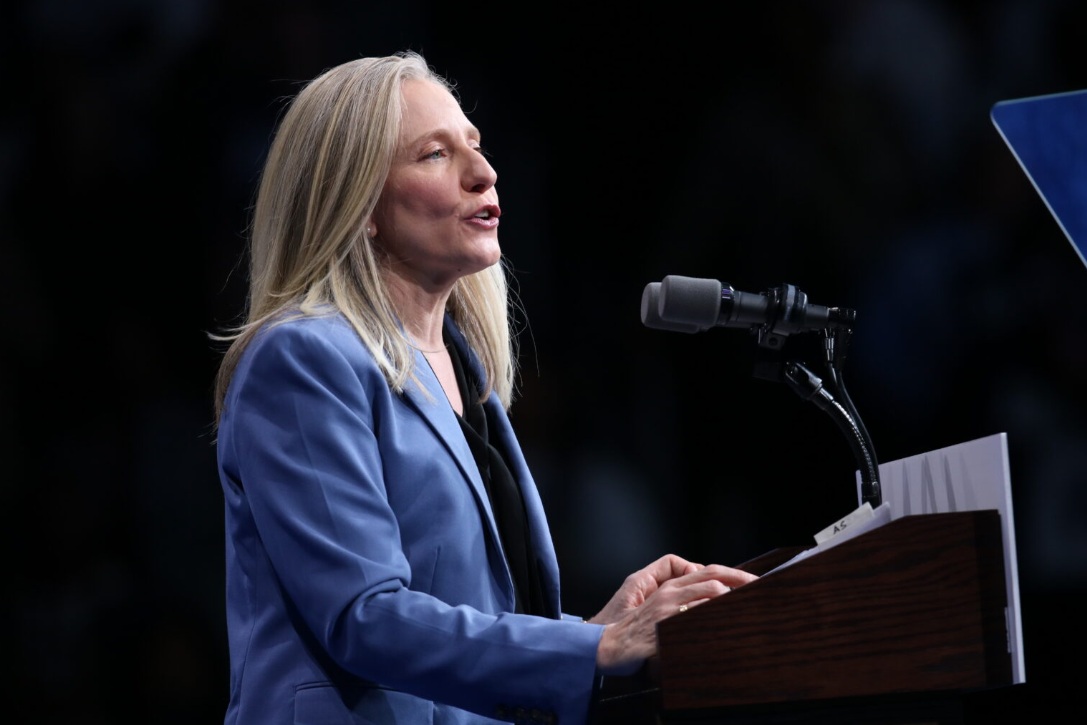
“Governor Abigail Spanberger says her administration will be releasing an economic development plan and an energy plan this fall.
On economic development, Spanberger said the plan will recognize the fact that Virginia is a diverse state.
‘Regions of Virginia are different; economic development may look different, and much of it will be drawn very, very directly on what it is that we’re hearing from and have heard from local leaders,’ Spanberger told 8News.
Meanwhile, Republican Senator Glen Sturtevant (R-Colonial Heights) said he hopes Spanberger’s economic development plan is focused on jobs for Virginia workers.
‘Bringing and keeping good-paying jobs, jobs that are not gonna be replaced by AI over the next several years,’ Sturtevant told 8News”
|
|
|
|
|
|
|
|
|
|