Happy Friday!
August 14, 2026
This week was a busy one for the Energy Right team, as we were on the ground in over half a dozen counties! We took part in a Coffee & Connect in Ashland, a Hanover Chamber ribbon cutting ceremony, and attended a community meeting on a proposed distributed solar project in New Kent. Building better energy conversations from the ground up—that’s the Right Way.
SCC Ruling: A Step in the Right Direction, but Problems Remain
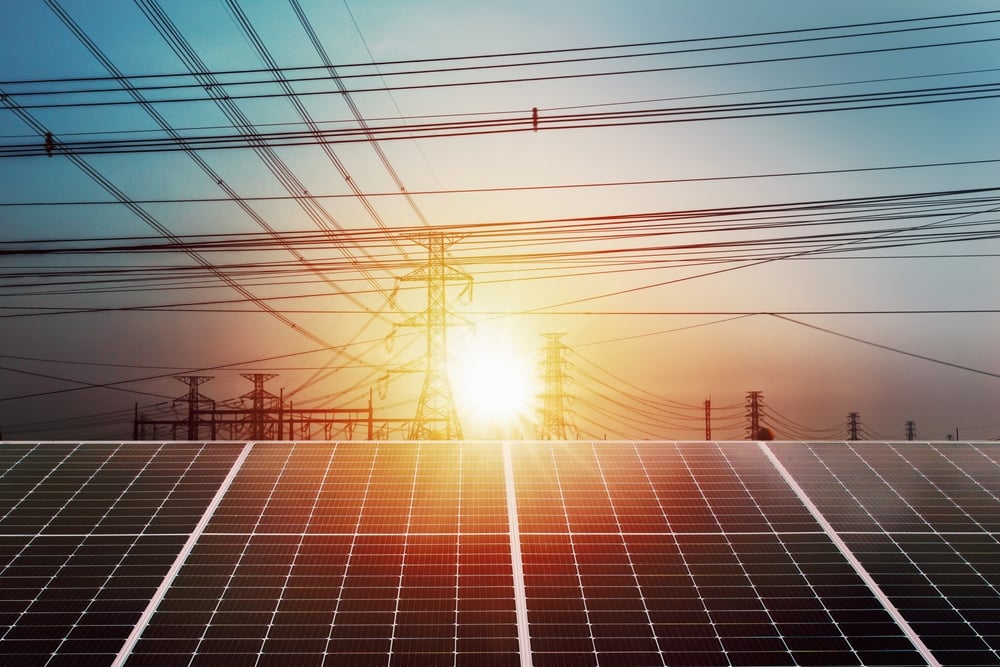
Virginia’s State Corporation Commission recently took a step to ensure that large energy users pay their fair share of the infrastructure needed to serve them. In a July 31 decision, the SCC directed Dominion Energy to develop a policy assigning certain transmission and substation costs directly to new large-load customers, including data centers, when those facilities are responsible for the need for that infrastructure. This decision comes at a time of increased utility bills, rising demand, and an affordability crisis in Virginia, with the goal of preventing costs associated with the rise of data centers from being imposed on other ratepayers.
While this is a positive step in helping ensure that Virginia ratepayers aren’t footing the entire bill for data centers, it’s important to understand what the decision does and does not accomplish. The SCC action addresses transmission infrastructure, not the cost of building new generation to supply Virginia’s rapidly growing electricity demand. At the same time, Virginians are still facing higher electricity costs due to population and economic growth, and new manufacturing outside data center development. Making large energy users responsible for infrastructure they directly require can help protect ratepayers, but it does not create a single additional megawatt of electricity for Virginia’s grid to address rising demand.
That’s where the conversation needs to continue—bringing new generation online. Solar and battery storage should be a major part of that solution. Solar adds new electricity supply quicker than any other generation source, while battery storage can capture energy when it’s available and deliver it when the demand is highest. Together, these resources can help Virginia meet growing demand, reduce reliance on out-of-state power markets, and provide more flexibility to an increasingly strained grid in a timely manner. In June, the Solar Energies Industry Association published a speed-to-deploy fact sheet showing how quickly different energy sources can come online, with solar and battery leading the charge. The SCC’s decision is a step toward ensuring that large energy users pay their fair share, but Virginia needs to take the next step: build more affordable, reliable energy resources to keep up with demand.
FROM THE ROAD
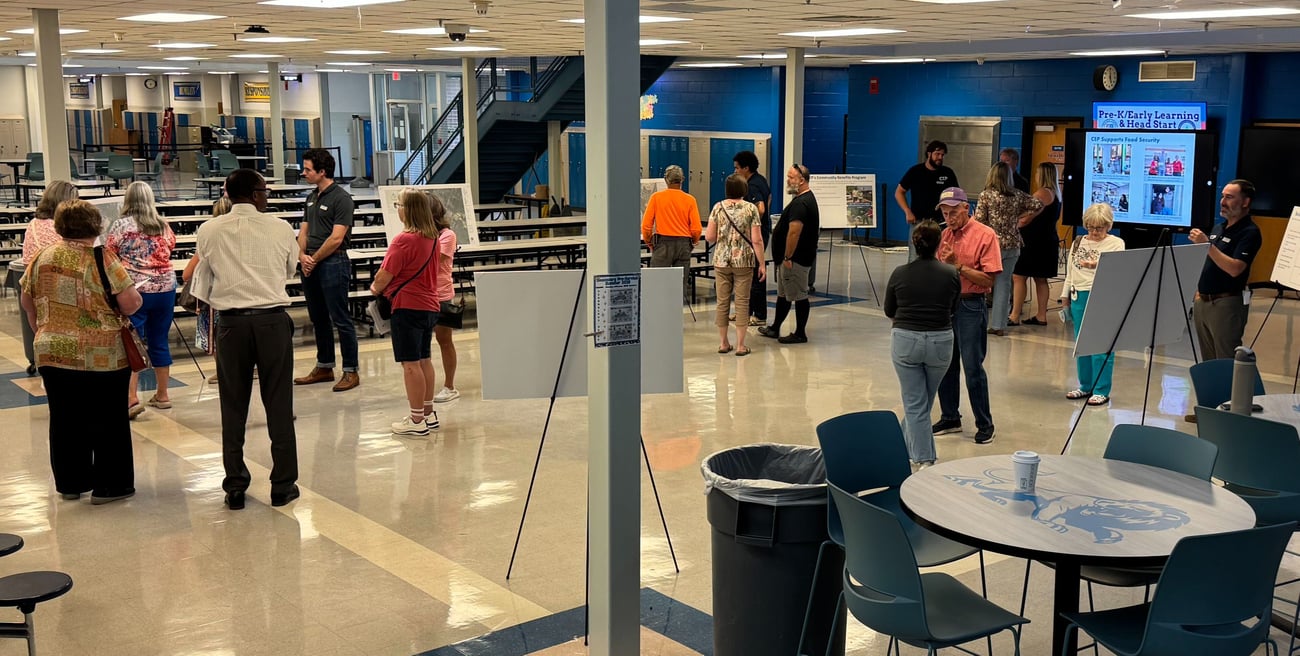
This week, Energy Right attended a community meeting in New Kent County regarding a proposed 6 MW distributed solar project in District 5 (Eltham & Chickahominy River). We listened to local residents, helped engage in discussions about their questions and concerns, and spoke with the developer to learn more about the project, its development, and the potential benefits it could bring to the community.
What We’re Thinking
Planning for the Future & Preserving Character
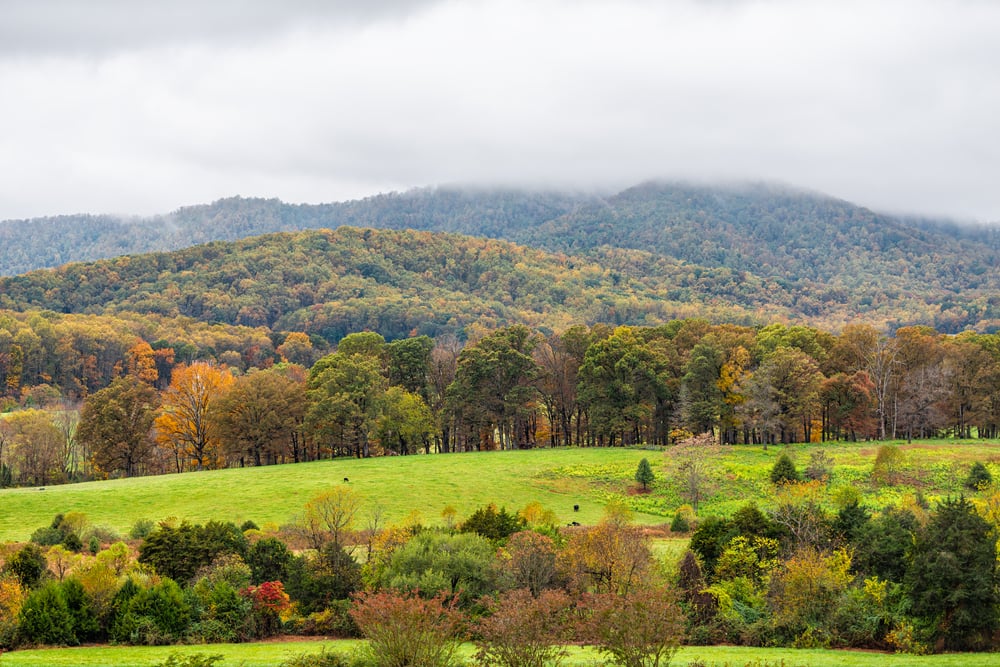
Across Virginia’s Piedmont region, an important conversation is taking place around how communities can preserve the rural character and sensitive landscapes they value while also preparing for the growing need for safe, reliable electrical infrastructure. Comprehensive plans are designed to guide that balance, but broad language intended to protect rural areas can sometimes unintentionally close the door on a small number of parcels uniquely suited for responsible solar generation or battery energy storage. In many cases, these sites are not simply open land available for development. They are locations where existing electrical infrastructure, proximity to substations, transmission access, interconnection opportunities, and other site-specific factors make them particularly well positioned to support the local and regional grid.
Directing development toward these areas can make better use of infrastructure already in place while reducing the need to extend new infrastructure into less suitable locations.
The goal of this work isn’t to weaken county protections or create an open-ended pathway for energy development throughout the countryside. It’s to ensure comprehensive plan language is precise enough to protect what communities want to preserve while recognizing when a specific parcel presents an exceptional opportunity for smart and safe development. Some landowners may be willing to accept the viewshed and other impacts associated with these projects because of the broader benefits they can provide. By creating a thoughtful pathway for these unique sites, counties can distinguish between widespread development and carefully considered projects that align with infrastructure already on the ground.
Bringing this approach forward has required collaboration among regional groups and local, trusted organizations with different perspectives and priorities. That willingness to find common ground has helped produce stronger, more balanced policy options that recognize both the importance of stewardship and the realities of Virginia’s changing energy needs. Rural character, responsible development, and a reliable electrical grid do not have to be competing interests. With careful planning and a willingness to evaluate the unique circumstances of each site, they can work hand in hand to support stronger communities and thoughtful growth across the Piedmont.
Where We Went

A busy week for Energy Right, as we were in Culpeper, Cumberland, Hanover, Henrico, King and Queen, Lunenburg, New Kent, and Orange counties!
Recent News
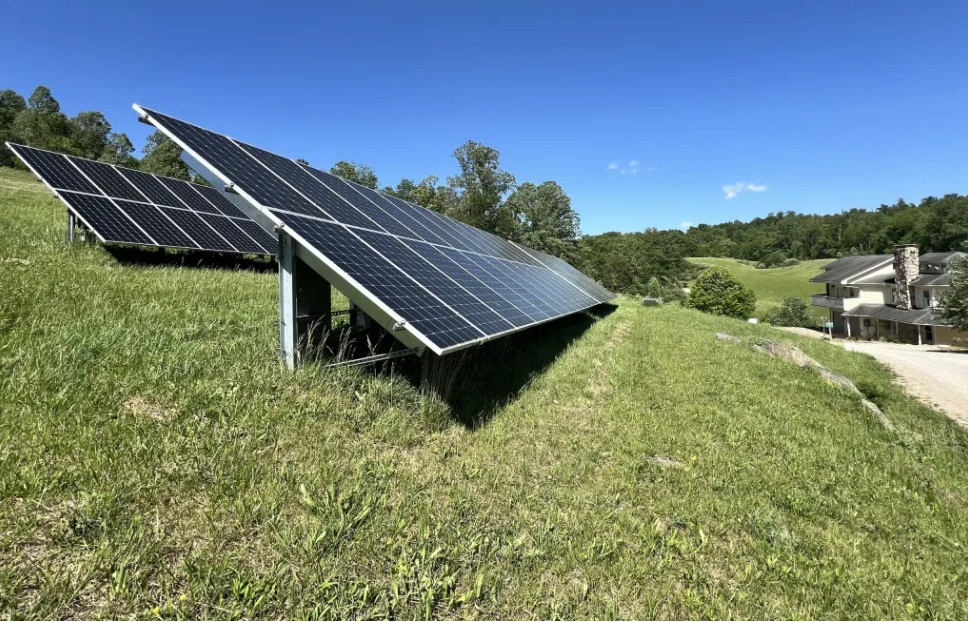
Energy group: Solar is a piece of the puzzle, not a silver bullet — and that’s okay
– Jack Wilson of Energy Right via Cardinal News
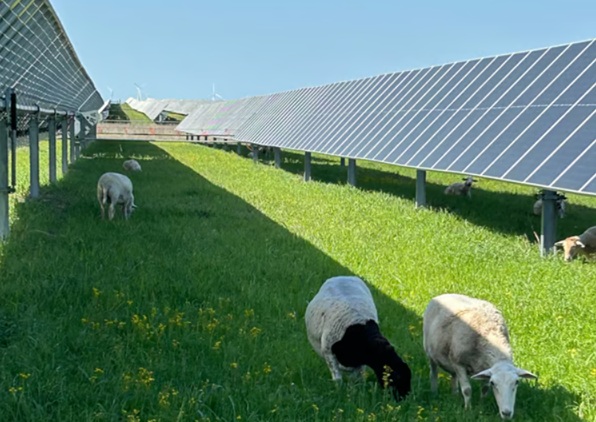
Virginia’s new agrivoltaics law formally recognizes the dual use of land for solar generation and agriculture, creating new opportunities for farmers while supporting the Commonwealth’s growing electricity needs. With roughly 13 agrivoltaic projects already operating statewide, practices like sheep grazing, crop production, and other agricultural uses can continue alongside solar generation. For farmers, these projects can provide supplemental income and help keep land economically viable and in agricultural use. As Virginia works to balance farmland preservation with rising energy demand, agrivoltaics offers a practical example of how agriculture and clean energy can grow together.
WHAT NEXT?
NEXT WEEK
We’ll be going to Goochland, Halifax, New Kent, and Southampton counties!