|
|
|
Happy Friday!
September 19th, 2025
|
|
|
|
This week, the Energy Right team travelled to half a dozen counties in the Commonwealth, co-hosted a Conversation on Virginia’s Energy Future with AFP-VA and ACC-VA, and more this week on our mission for clean energy, the Right Way.
|
|
|
|
|
|
|
|
When Guidelines Are Met But Projects Still Fail Approval
|
 |
|
|
|
This week, the Franklin County Board of Supervisors voted to deny a siting agreement for a proposed 35 MW solar facility—a project that fully complied with local ordinances and policies and earned a recommendation for approval from county staff. Over its lifetime, the facility would have generated more than $3.5 million in direct revenue for Franklin County, funding schools, infrastructure, and essential services without raising taxes on residents. By rejecting the proposal, the county turned away not only clean energy investment but also a significant long-term economic opportunity.
Equally important, the project was responsibly sited. Fewer than 100 acres of the property were actively used for agriculture, ensuring minimal impact on farmland, while much of the land had previously served as a racing venue. This creative reuse demonstrated how renewable energy can bring new purpose to properties that no longer serve their original function, all while coexisting alongside traditional land uses. At a time when communities are looking for ways to balance growth, conservation, and revenue, projects like this offer a practical model.
In voting against the siting agreement, the Board also restricted landowners’ ability to make responsible use of their property in accordance with county rules. When projects that meet every standard are denied, it lessens confidence in the permitting process and signals to investors that Virginia communities may not honor their own ordinances. Protecting property rights and ensuring fair, consistent decision-making are essential if the Commonwealth wants to remain competitive, attract more energy investment, and strengthen the reliability of its grid.
|
|
|
|
|
|
|
|
Buzz of the Week
|
|
|
 |
|
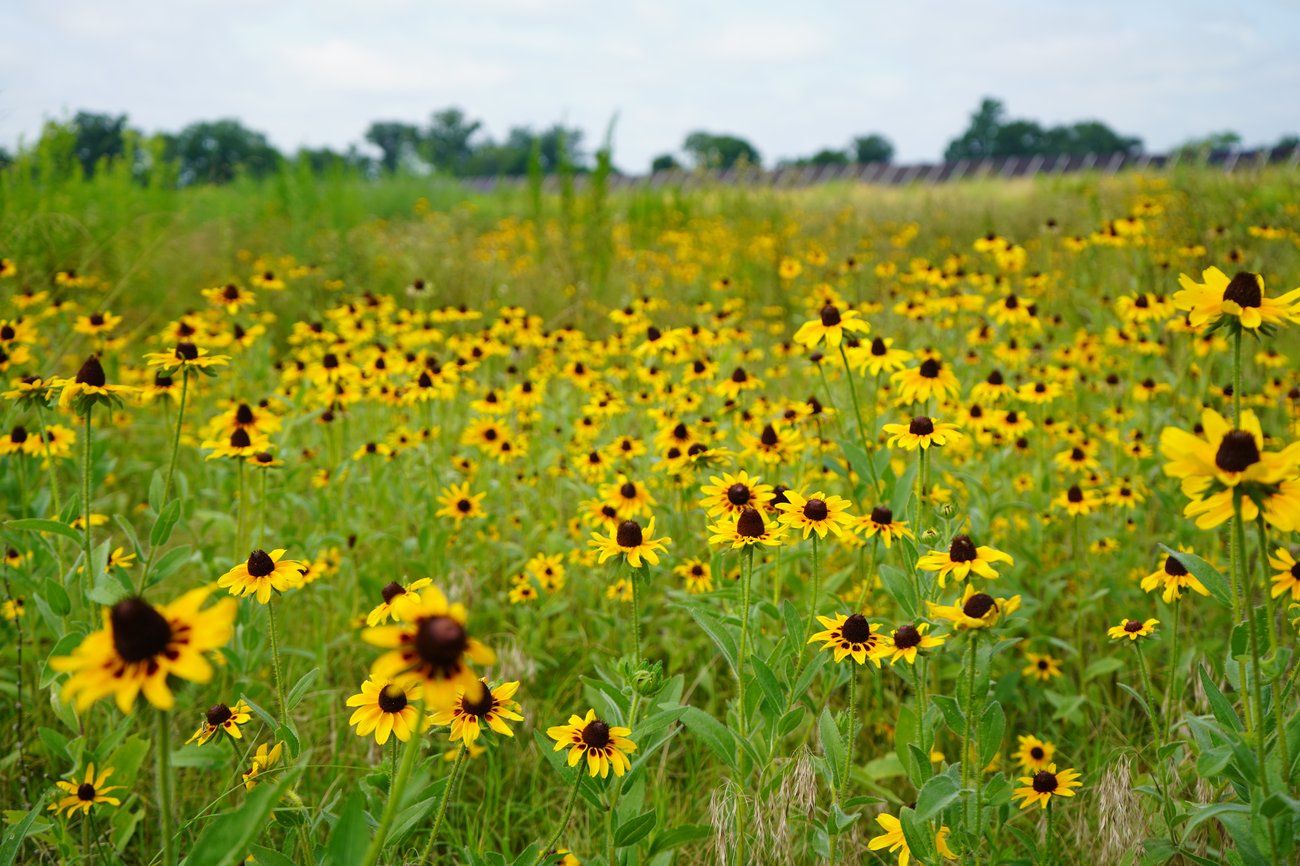
Hollyfield Solar Farm, VA
|
|
This field of wildflowers have grown quite well in the sunny fields of this farm! This method of agrivoltaics will help preserve the land for future farm use while actively providing plenty of native plants for local pollinators to thrive, which only further strengthen the ecosystem and land.
|
|
|
|
Follow Us
|
|
|
|
|
|
|
|
|
|
Resilience Without Sprawl: The Case for Battery Storage
|
|
|
|
|
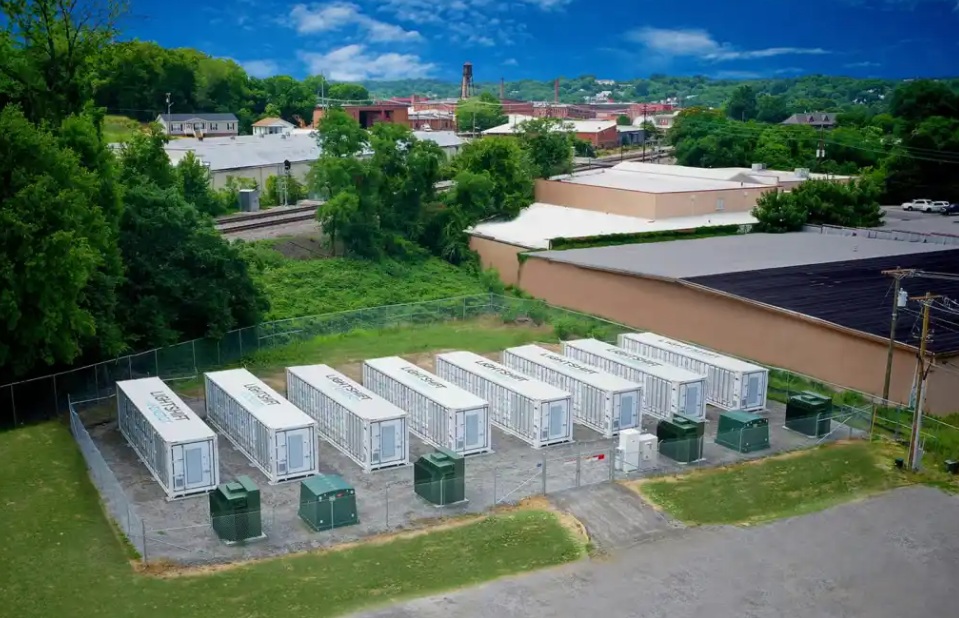
Battery Energy Storage Systems (BESS) are becoming a cornerstone of the clean energy transition. By storing excess electricity from solar and wind and releasing it when demand is high, BESS strengthens grid reliability, reduces reliance on fossil fuels, and ensures communities capture the full value of renewable power. For regions like Virginia, where energy demand is surging, storage is not optional—it’s essential.
One of the greatest advantages of battery storage is its minimal impact on land use. Facilities can often be built near existing substations, requiring far less land than power plants or transmission corridors. In places like Virginia’s Piedmont, where open space and farmland are priorities, BESS offers resilience without altering the character of the landscape. It is a practical, community-compatible solution that adds reliability while respecting local values.
Fauquier County’s new ordinance (leading to the county’s first approved BESS) is one example of how smart policy can guide this technology’s growth. By adopting rules that balance safety, environmental protection, and community input, the county has shown that innovation and stewardship can go hand-in-hand. Just as important, strong local standards can create a ripple effect across the region, encouraging consistency between counties and building confidence among developers. As more communities follow this model, Virginia will be better prepared to meet its energy needs while protecting the qualities that make its counties unique.
|
|
|
 |
|
Lightshift Energy’s 10.6-MW Danville BESS I battery storage project in Danville, Virginia.
|
|
|
|
|
|
|
|
|
|
Our team travelled to Amherst, Carroll, Fauquier, Franklin, Henrico, and King George counties!
|
|
|
|
|
|
|
|
|
|
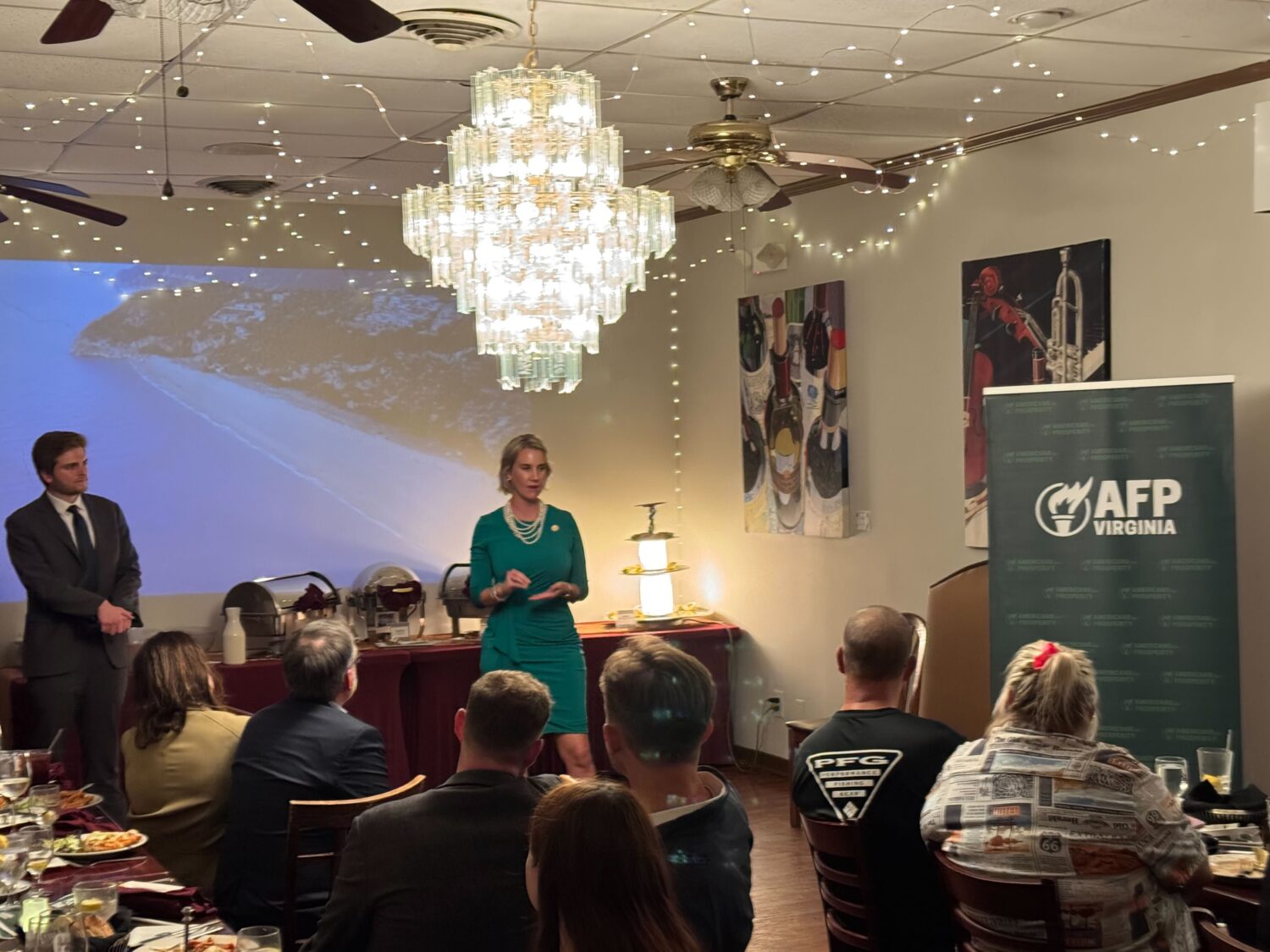
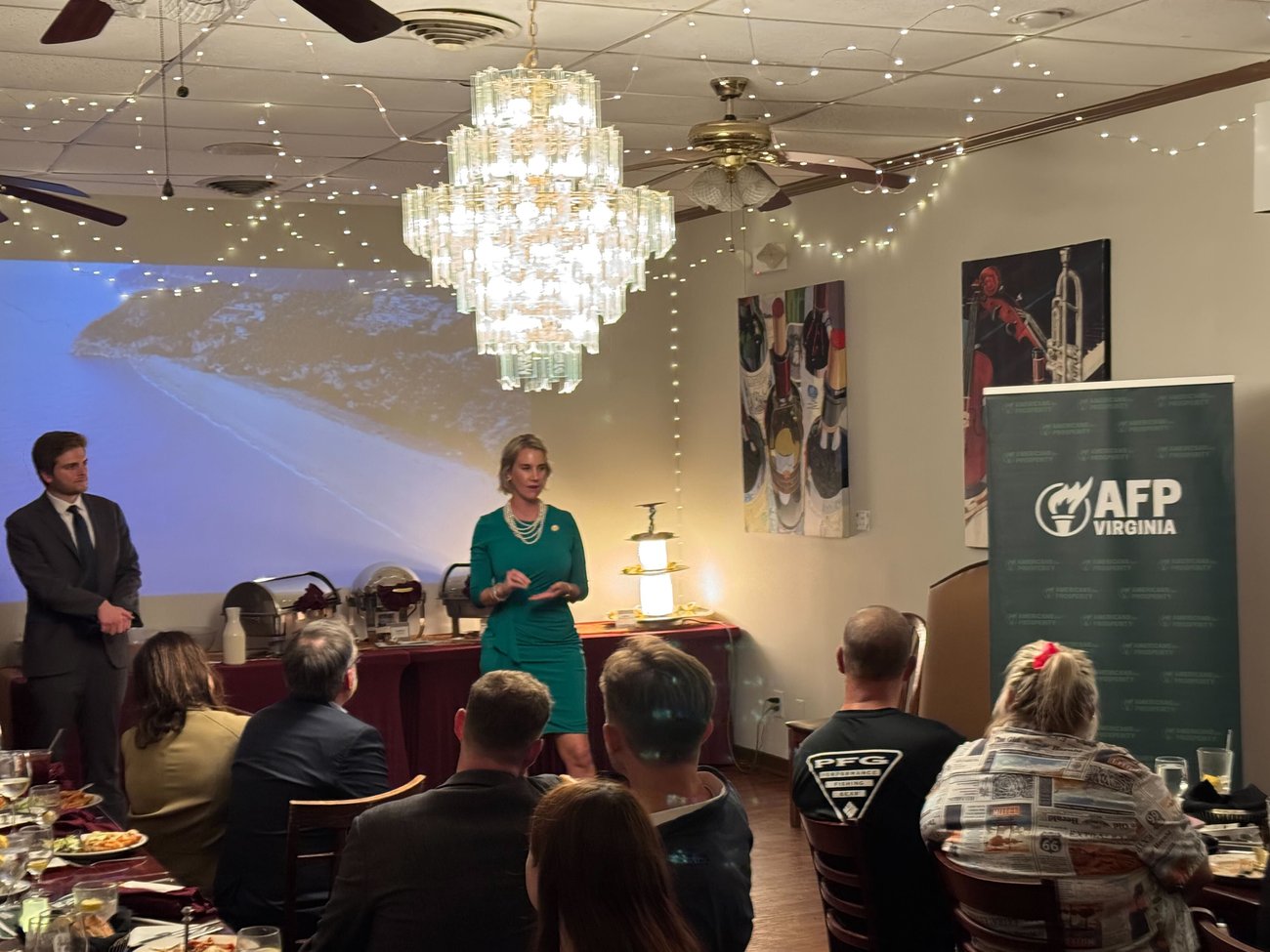
On Thursday, September 18, the Energy Right team co-hosted A Conversation on Virginia’s Energy Future with AFP-VA and ACC-VA. Attendees heard from Delegate Amanda Batten and Virginia Energy Director Glen Davis, who shared insights on the Commonwealth’s growing energy demand and the importance of an all-of-the-above approach to help lower costs for residents.
|
|
|
|
|
|
|
|
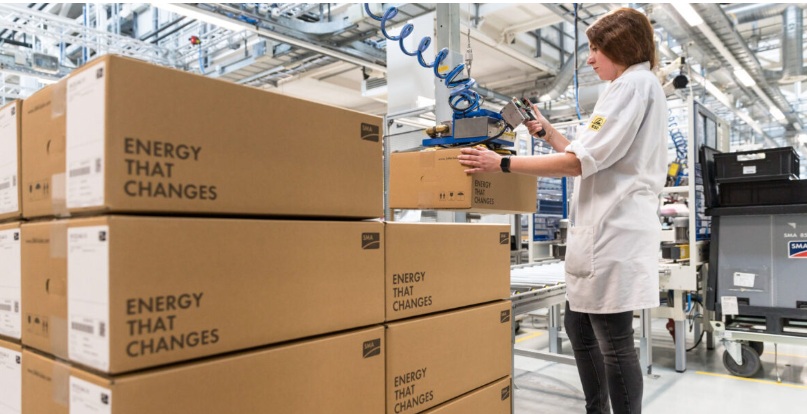
German engineering with U.S. production: SMA America returns through partnership with Create Energy
– Canary News
|
|
A new poll of voters in PJM and MISO states shows overwhelming support for grid expansion, with three-fourths backing more transmission lines and nearly 90% worried about rising energy costs. Respondents across party lines said affordability and reliability should be top priorities.
Yet federal actions are stalling progress. The Trump administration canceled a $4.9B loan for the Grain Belt Express and slowed FERC’s authority, even as 63 GW of clean energy remains stuck in PJM’s backlog and demand grows from data centers and electrification.
|
|
|
|
|
|
|
|
|
|
NEXT WEEK
We’ll be traveling to Charlottesville, Culpeper, and Lunenburg, as well as Roanoke!
|
|
|
|
|
|
|
|
|
|
SMA America will resume U.S. inverter production through a partnership with Create Energy in Portland, Tenn., targeting Q1 2026. The move aims to shorten lead times and strengthen domestic supply chains. Together, the companies will build Sunny Highpower PEAK3 inverters and new PowerSkids, expanding U.S.-based clean energy manufacturing capacity.
|
|
|
|
|
|
|