|
|
|
Happy Friday!
February 13, 2026
|
|
|
|
The Energy Right team was in Washington for a discussion with landowners, grazers, and government officials, as well as attending a public hearing in Westmoreland County on a solar project proposal.
Hope you all have a love-filled Valentine’s Day weekend!
|
|
|
|
|
|
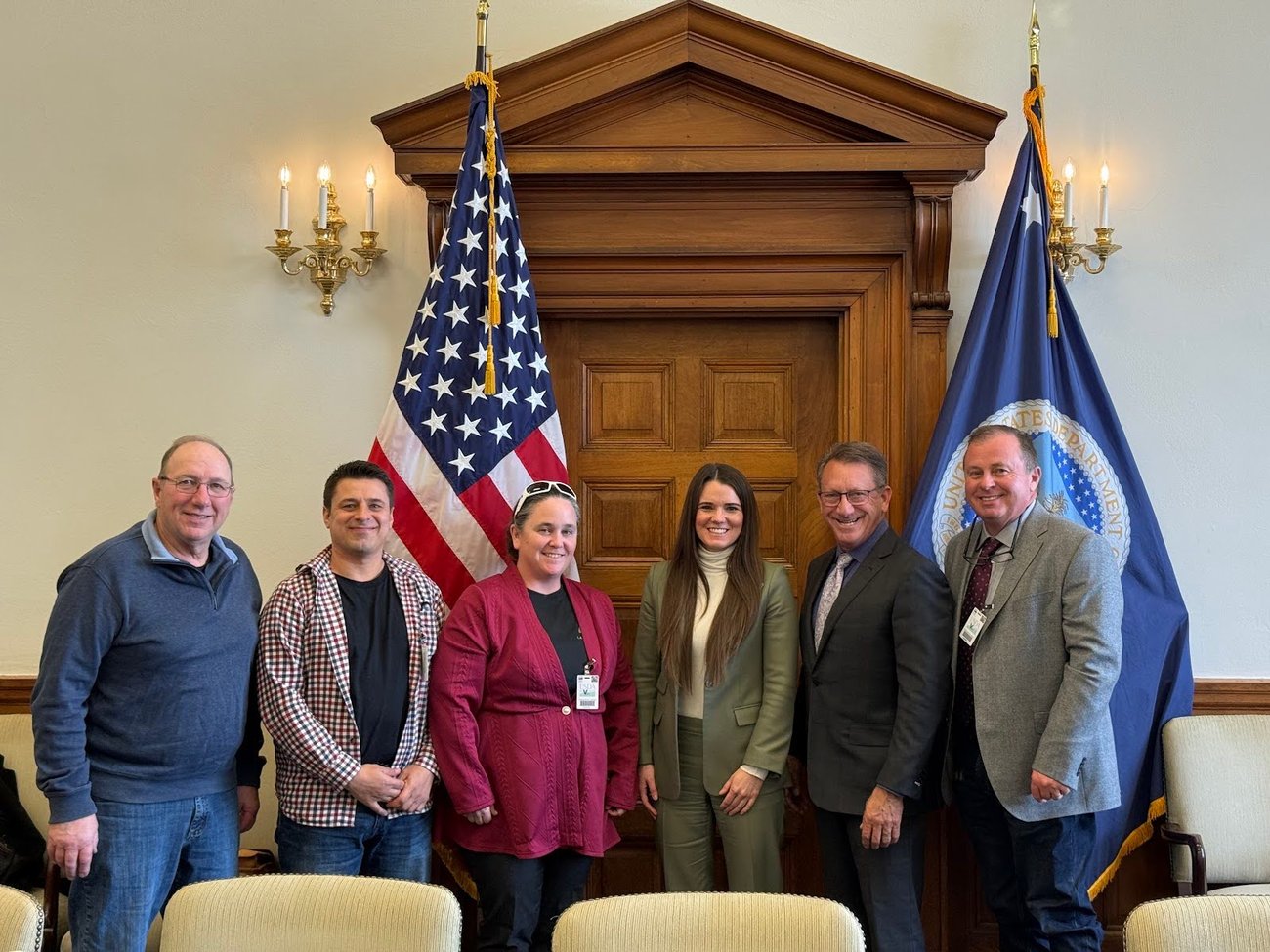
Energy Right Leads Delegation of Landowners and Solar Grazers in Washington
|
 |
|
|
|
Energy Right led a group of landowners and solar grazers to our nation’s capital to educate lawmakers and senior Trump Administration officials on the value that solar energy and grazing bring to rural America. Producers from across the country shared their experiences with members of Congress, senators, and officials at the U.S. Department of Agriculture as well as the White House. At a time when federal energy conversations often center on mandates, subsidies, or sweeping regulatory reforms, these producers offered something different: real-world examples of how private landowners are able to strengthen their operations through voluntary partnerships.
Oftentimes the conversation in Washington focuses on what individuals and interest groups want to see changed or want to see funded in legislation. These farmers brought a unique perspective in that they require no federal assistance or funding to farm alongside energy generation projects. Instead of relying on crop insurance, bridge payments from the USDA, or subsidized markets, the producers were able to show how lease incomes and solar grazing contracts are able to lift up family farms to compete and win. For many of these farmers, diversified income streams can serve as a buffer against low commodity prices, extreme weather events, and rising input costs—pressures that make long-term planning difficult and discourage the next generation from staying in agriculture.
The conversations in Washington come at a pivotal moment for rural communities. Energy demand is rising nationally, and lawmakers are grappling with how to expand domestic production while keeping costs affordable. These landowners and partnered grazers are examples of how energy development and agricultural production can coexist on the same acreage, preserving working lands while contributing to energy security.
We were proud to introduce federal leaders to the lesser-seen side of solar energy—the farmers, landowners, and local communities who benefit every day from the energy produced and the income created from projects. As national energy policy continues to take shape, we’re excited to continue this collaboration to strengthen this message in Washington.
|
|
|
|
What We’re Thinking
|
|
|
|
FEOC & Energy Independence
|
|
|
|
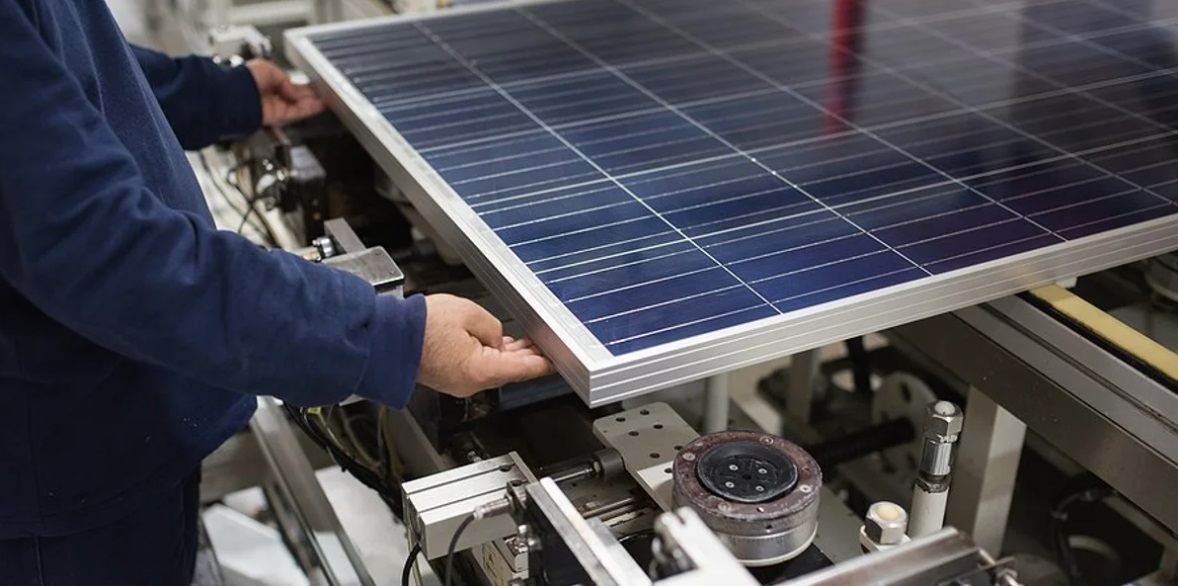
Foreign Entity of Concern (FEOC) certification has quickly become an important consideration for solar and battery energy storage developers as federal incentives and domestic supply chain policies evolve. In general terms, FEOC rules are intended to limit reliance on equipment or materials sourced from companies owned by or significantly controlled by governments of designated foreign adversaries, currently including China, Russia, Iran, and North Korea. For developers, FEOC compliance typically involves verifying that key project components such as solar modules, inverters, battery systems, and critical minerals meet sourcing requirements aligned with federal guidance tied to tax incentives and emerging procurement standards.
In Virginia, FEOC considerations are becoming increasingly relevant at the local permitting level, even where they are not explicitly required by ordinance. County boards and planning commissions have begun raising questions about foreign manufacturing, supply chain security, and national resilience during public hearings for solar and storage projects. Developers who proactively highlight FEOC compliant equipment or domestic sourcing strategies can address these concerns early and help move discussions toward project benefits such as grid reliability, local tax revenue, and energy security.
From a project approval perspective, demonstrating FEOC compliance can reduce friction with elected officials and residents who may otherwise view utility scale renewables through a national security lens. Clear documentation that equipment avoids foreign entities of concern provides a straightforward response to questions about foreign ownership or influence, which has increasingly surfaced in rural Virginia hearings. This transparency can help build trust with local stakeholders and minimize late-stage complications during conditional use permit or special exception reviews.
Economically, FEOC aligned procurement strategies also position developers to maximize federal incentives, particularly domestic content bonus credits tied to recent federal energy policy. Projects that meet domestic sourcing thresholds can access enhanced tax benefits, improving project financeability while strengthening the policy narrative presented to local governments. Energy Right is actively tracking how often FEOC related questions arise during local public hearings and stakeholder discussions, and early signals suggest this will become an increasingly relevant conversation for developers and decision makers throughout 2026 and beyond as supply chain scrutiny and energy security concerns continue to shape project approvals.
.
|
 |
|
|
|
|
|
|
|
|
|
|
|
|
|
This week the Energy Right team was in Westmoreland County as well as Richmond City and Washington D.C.!
|
|
|
|
|
|
|
|
|
|
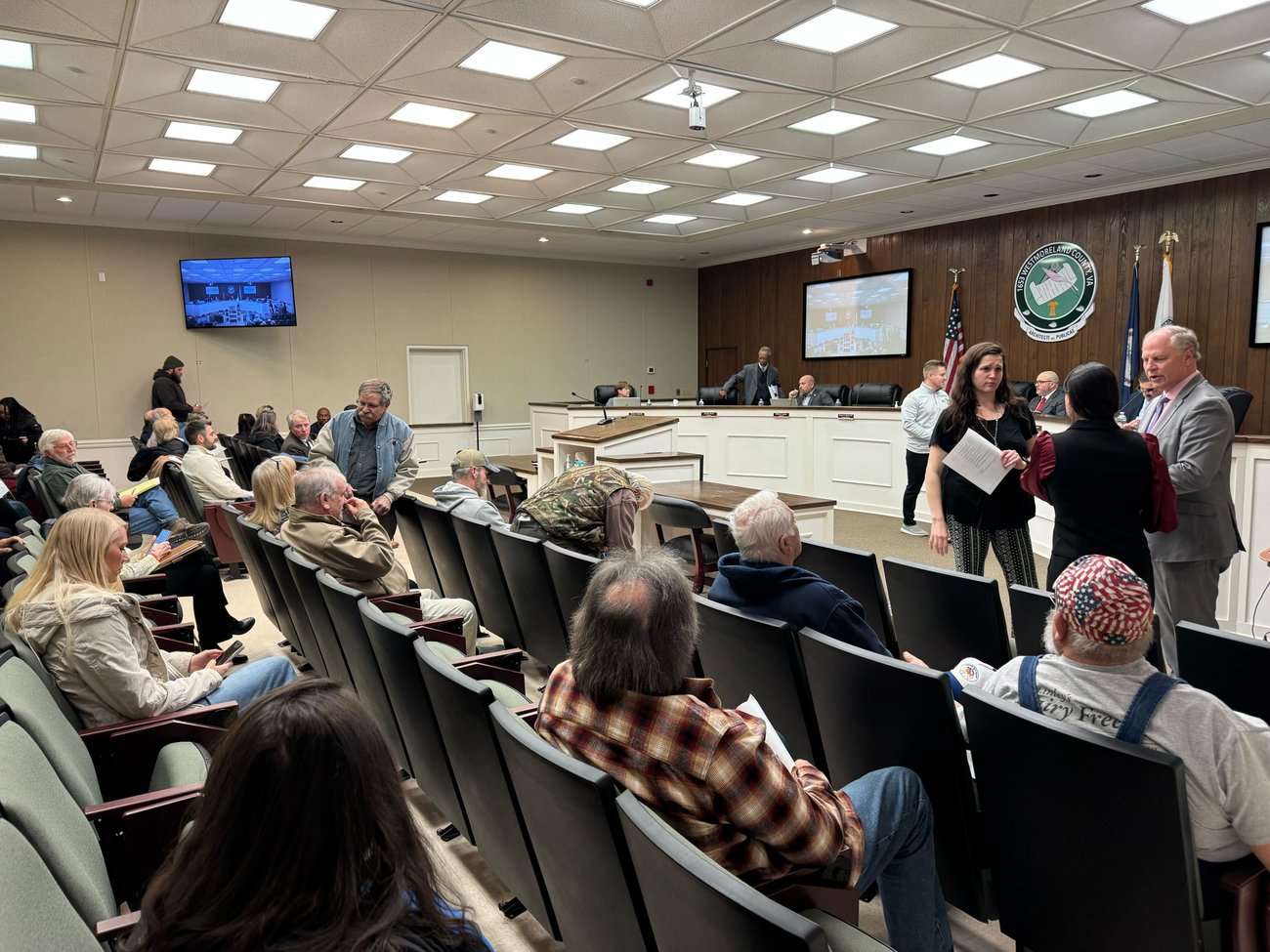
On Monday, the Energy Right team attended a public hearing in Westmoreland County for a proposed 4.99 MW solar project that brought out strong community engagement, with many county residents voicing concerns about developing 45 acres of existing farmland with adequate soil quality.
Residents and adjoining landowners focused their testimony on practical issues like erosion risks, stormwater management, and how the project could affect surrounding properties and local land use. The Board of Supervisors appeared highly attentive to public input, carefully considering the concerns raised throughout the hearing. Due to the high volume of community criticism, the Board ultimately voted to deny the project in a 4-1 vote
|
|
|
|
|
|
|
|
NEXT WEEK
We’ll be heading out to Charlotte, Richmond City, and more!
|
|
|
|
|
|
|
|
|
|
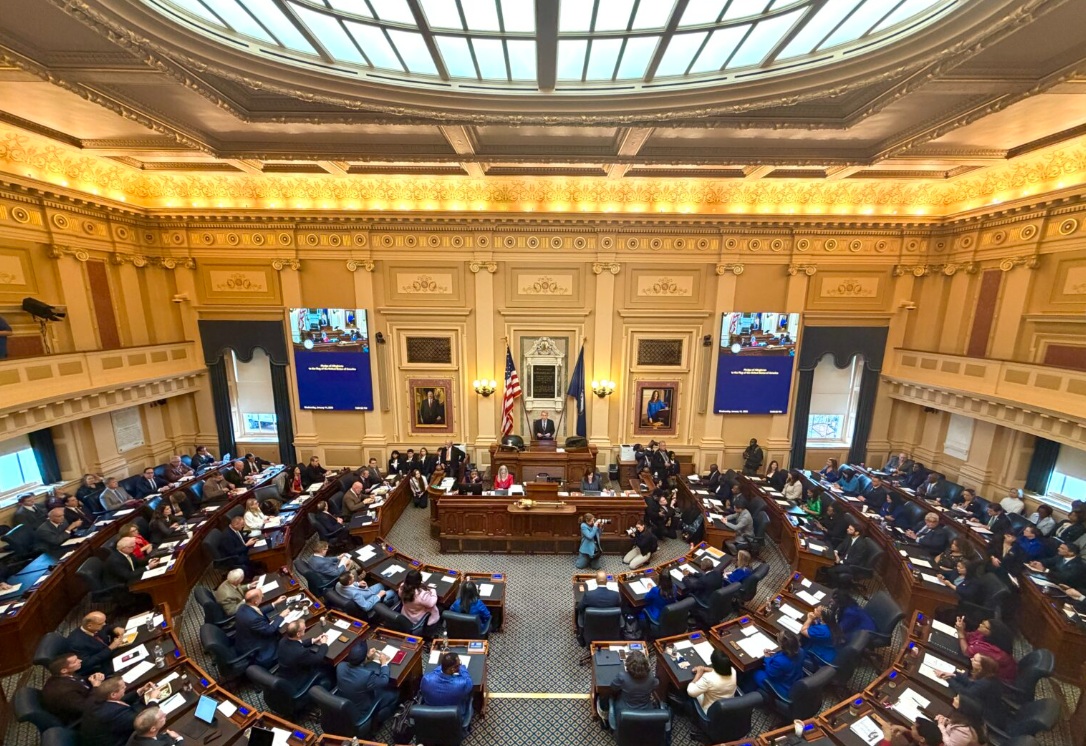
Virginia lawmakers are advancing a broad slate of energy bills aimed at meeting soaring demand driven largely by data centers. Rather than one sweeping reform, the General Assembly is pursuing incremental steps to boost grid efficiency, expand storage, grow distributed solar, and support energy efficiency programs. Proposals with bipartisan backing target grid utilization, shared solar, battery deployment, and even nuclear development, reflecting a session focused on reliability and affordability.
|
|
|
|
|