Happy Friday!
April 17, 2026
The America First Energy Project here to bring you our perspective and matters we know are important for the community, decision makers, and economy of a strong, energy-independent state.
The “Strait” Talk on Energy: Diversify or Pay the Price
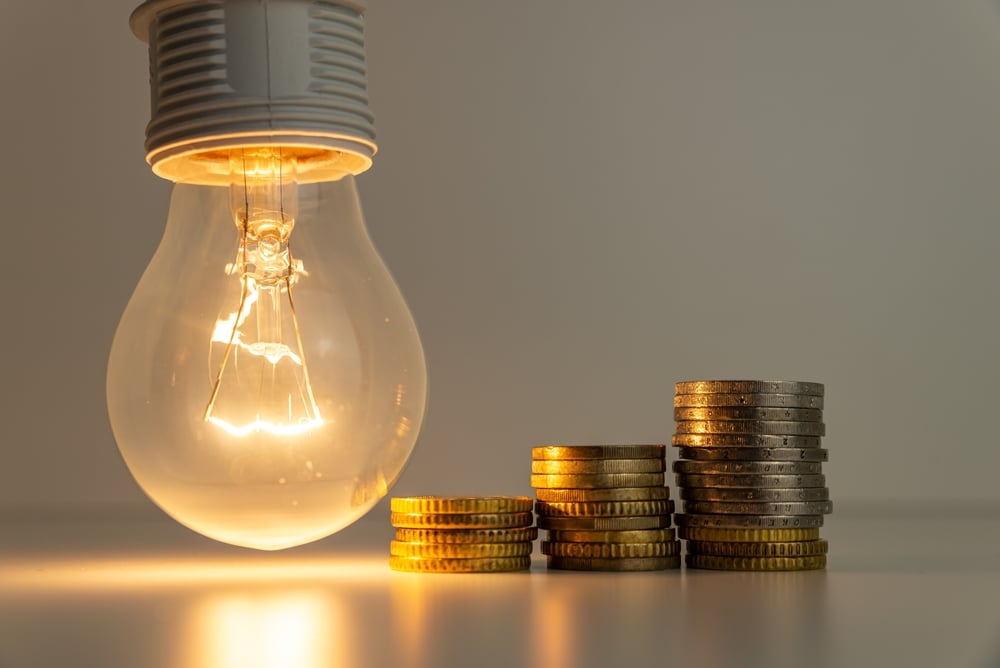
The recent disruption in the Strait of Hormuz is a stark reminder that the global energy system is walking a tightrope. When nearly a fifth of the world’s oil flows through a single, volatile chokepoint, it only takes one geopolitical flashpoint to send prices soaring, strain supply chains, and rattle economies. That’s the reality of overreliance on fuels that must be constantly shipped through the world’s most unstable regions. If we needed a wake-up call, this is it.
Here’s the “strait” talk: energy security requires diversification. An “all of the above” approach, one that includes traditional resources alongside utility-scale solar is not about politics, it’s about stability. Solar fundamentally changes the equation. Once installed, it produces power domestically for decades without relying on global transport routes or daily fuel deliveries. That means less exposure to international crises and more predictability for businesses, families, and the broader economy.
Even better, is when solar is paired with battery storage, it delivers reliable, around-the-clock power that strengthens grid resilience and cushions against price volatility. In a world where uncertainty is the only constant, diversifying our energy mix isn’t just smart policy, it’s national security. We have one choice, adapt and strengthen our energy portfolio or continue paying the price every time the world hits another “strait.”
From the Road
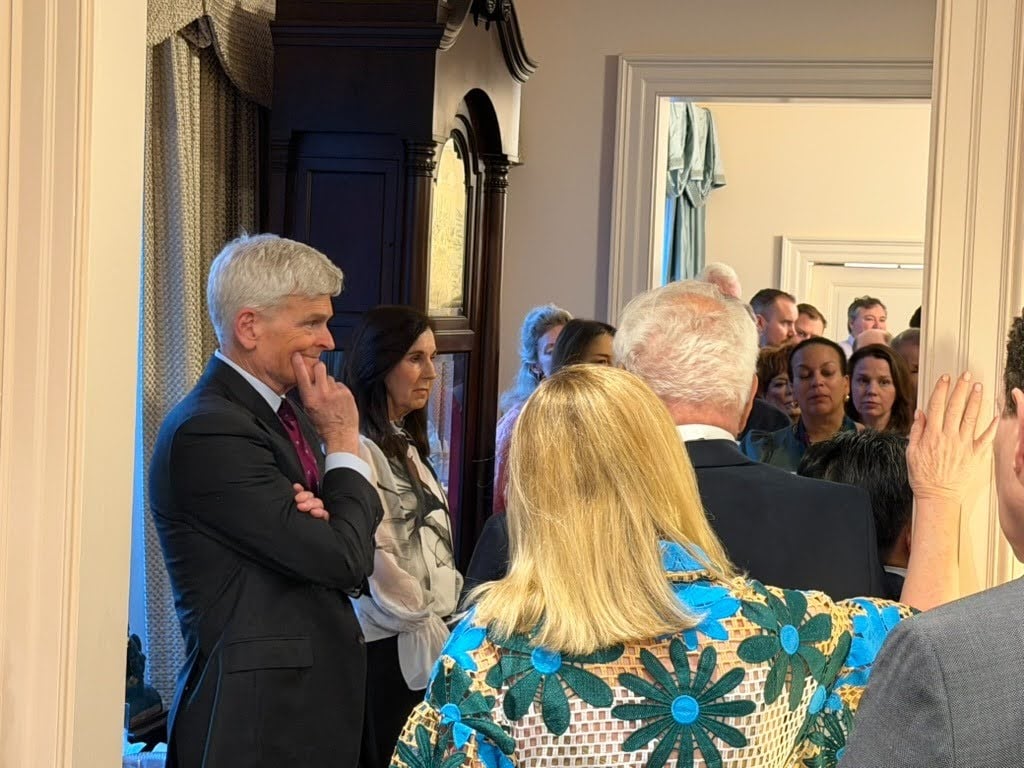
This week America First Energy Project attended and participated in the Powering Louisiana Forum at LSU’s Energy Center. We also met with Louisiana U.S. Senator Bill Cassidy in New Orleans as he prepares for his reelection primary next month.
Where We Went
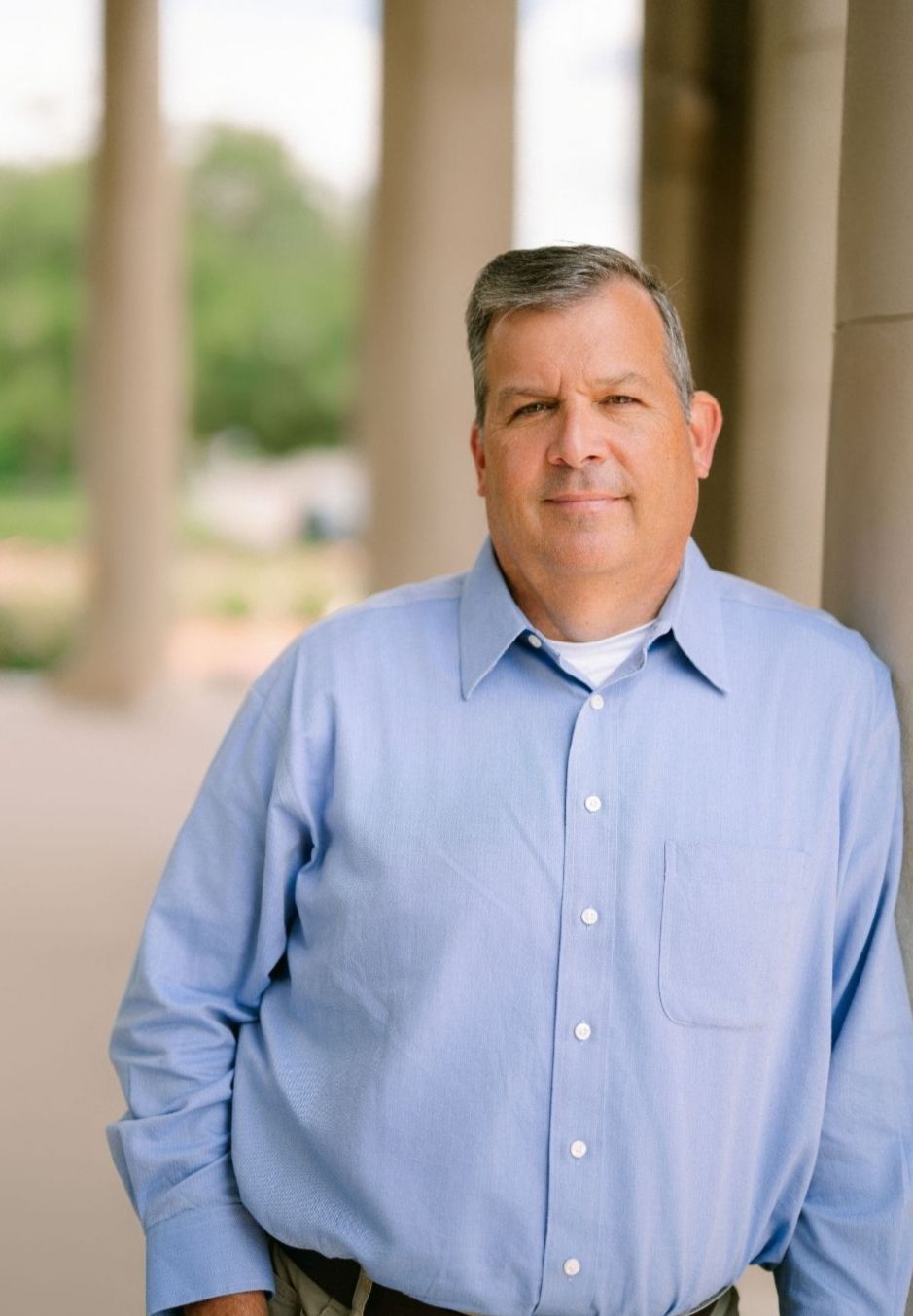
In the past couple weeks, the AFE team was in St. Tammany, St. Helena, and East Baton Rouge!
Where To Next
We’ll be in back in Cado as well as East Baton Rouge.
WHAT WE READ
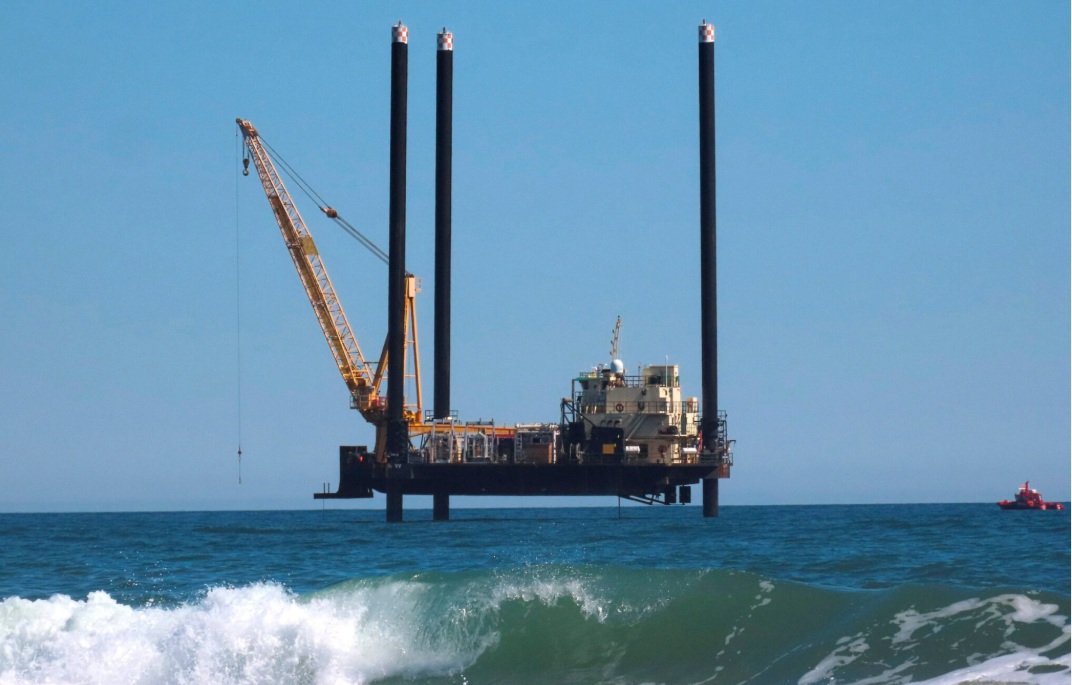
As political winds shift, this Louisiana renewable energy venture shoots for the stars
– Nola
A Louisiana-based offshore wind startup has rebranded and shifted its business model as it looks to better align with evolving market conditions. The company is moving away from a traditional development approach and instead focusing on supporting offshore wind projects through specialized services and technology.
The transition reflects broader changes in the offshore wind industry, where cost pressures, supply chain challenges, and project delays are prompting companies to adapt. By repositioning itself, the firm aims to stay competitive while contributing to the long-term growth of offshore wind in the Gulf region.