|
|
|
Happy Friday!
May 15, 2026
|
|
|
|
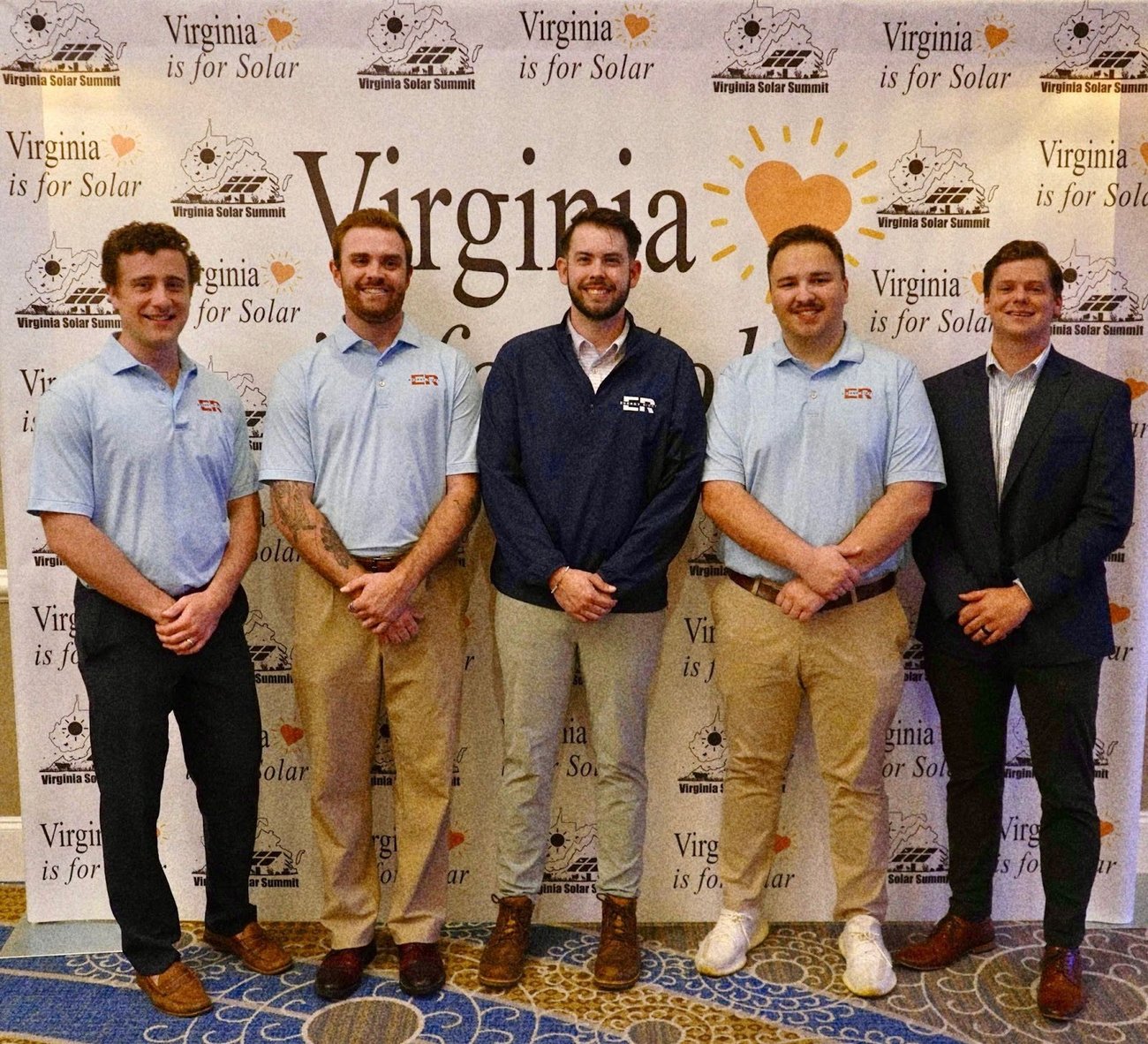
This week, the Energy Right team attended meetings and events across Virginia, including Buckingham and
Lunenburg counties, where local energy policy, transmission infrastructure, and community-scale solar remained key topics. Lunenburg also approved a 5 MW solar project—the first to move through the county’s updated ordinance process—showing how local frameworks continue to shape energy development across the Commonwealth.
|
|
|
|
|
|
Buckingham County Offers a Blueprint for Responsible Solar Policy
|
 |
|
|
|
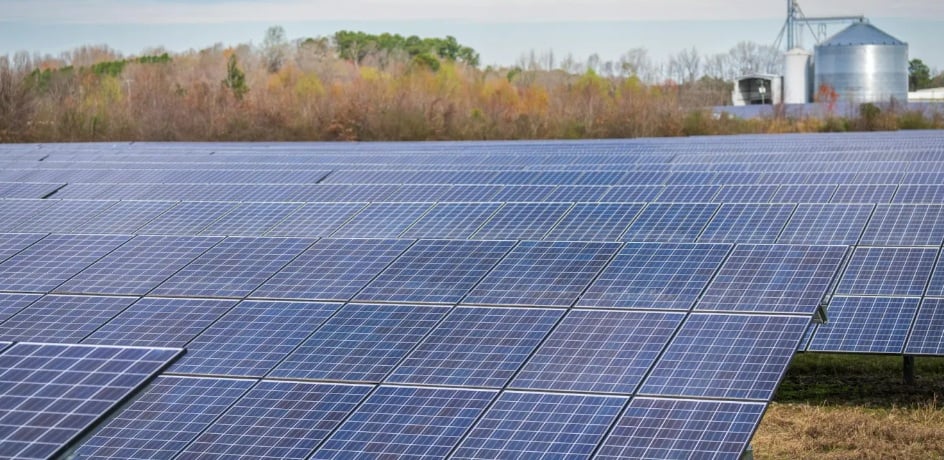
In recent months, Virginia lawmakers have moved to ensure that counties maintain clear, legally defensible standards for reviewing solar applications rather than relying on informal guidance or restrictive moratoria. This week, Buckingham County took a step to align with the state as the Board of Supervisors introduced amendments to its Solar Policy and Comprehensive Plan, aligning local land-use and solar development policy with the new state legislation, HB711 and HB891. The new county framework would require utility-scale solar facilities to obtain a Special Use Permit in agricultural and industrial districts and not be allowed by-right, and establishes detailed standards for setbacks, screening,
environmental protections, wildlife corridors, and decommissioning plans. The ordnance amendments also ensure compatibility with surrounding land uses. According to Zoning Administrator Nicci Edmondston, the new framework favors “objective ordinance standards, formal findings, and clear Comprehensive Plan support.”
The ordinance changes result in setbacks ranging from 150–200 feet from occupied dwellings on non-participating parcels, 50–100 feet from public roads, 50–75 feet from neighboring property lines, and 100–250 feet from wetlands and perennial streams. Solar panel arrays would generally be capped at 25 feet in height when fully tilted, though additional height could be permitted for agrivoltaic operations that combine farming and solar generation. The county also proposed substantial vegetative buffering requirements between 25 and 50 feet wide, prioritization of native plant species, retention of existing tree lines, protections for wildlife corridors, phased construction limits, topsoil preservation standards, and stricter lighting controls
designed to minimize glare and off-site impacts.
On battery storage, the county’s introduced amendments would also classify battery storage systems located on solar sites as accessory use and require them to comply with all applicable safety and fire protection standards – again aligning the county with the direction of the General Assembly’s efforts in HB891. It is expected that these amendments will go into effect in the county next month.
By updating its plan, Buckingham County is taking a measured and responsible approach that marries the intent of the legislation and the county’s long-term goals. Unlike some counties who are attempting to prohibit solar development outright, the county instead is taking steps to strengthen its review process by creating clear standards and enforceable local oversight – an important balance in the energy permitting process. Projects in Buckingham will now have the opportunity to be evaluated with heavy consideration for matters that are important to Buckingham – agricultural preservation, environmental protections, and compatibility with surrounding land uses.
Buckingham is an example, and a leader for localities across Virginia as they demonstrate that local governments can responsibly analyze renewable energy development projects without surrendering community input or local control. Modernizing their policy will also provide greater predictability and understanding for residents, developers, and county officials alike. Energy Right is thankful for the leadership in Buckingham for acting proactively positioning themselves to manage solar growth in a practical, informed, and legal manner.
|
|
|
|
|
|
What We’re Thinking
|
 |
|
Community-Scale Solar Moves Forward in Lunenburg
|
 |
|
|
|
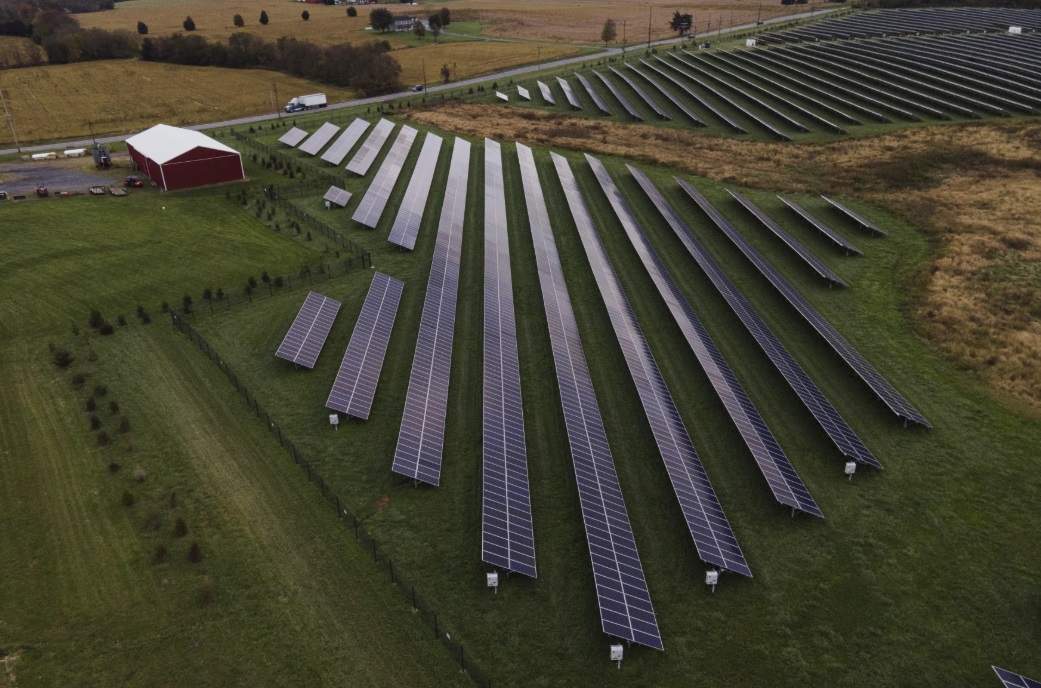
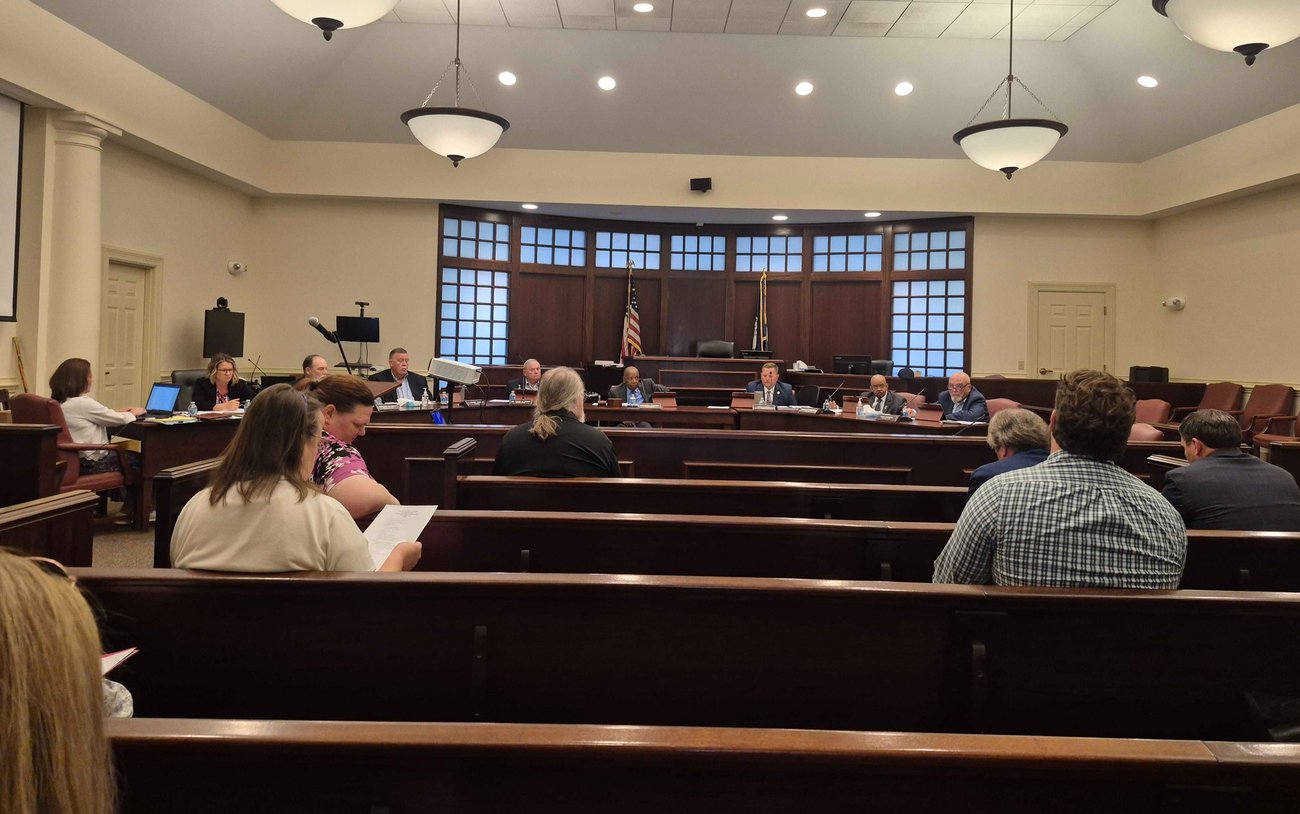
Lunenburg County approved a 5 MW community-scale solar project this week, marking the first project to move fully through the county’s newly updated solar ordinance process. The approval represents an early test of how revised local standards can shape project review and highlights the role that clear ordinances play in creating more predictable pathways for energy development. As Virginia localities continue reevaluating solar policies, Lunenburg’s experience offers an example of how updated frameworks are balancing oversight with deployment.
Throughout the review, Board members emphasized the project’s thoughtful design, compatibility with surrounding land uses, and efforts to minimize impacts to neighboring properties. One of the most positively received aspects was the project team’s proactive communication with nearby landowners prior to final approval. Early outreach and transparency helped address concerns upfront and demonstrated how community-scale solar projects can be integrated into local priorities rather than developed around them.
The approval gives us a broader takeaway for counties across Virginia: successful energy development increasingly depends on both strong local standards and developers willing to engage communities early in the process. As more jurisdictions revisit solar ordinances in response to changing state policy and growing energy demand, Lunenburg’s first project under its new ordinance may serve as a practical example of how thoughtful planning, local input, and community-scale solar can work together.
|
|
|
|
|
|
|
|
|
|
|
|
|
|
This week, Energy Right was in Albemarle, Buckingham, Hanover, Henrico, Goochland, and Lunenburg!
|
|
|
|
|
|
|
|
|
|
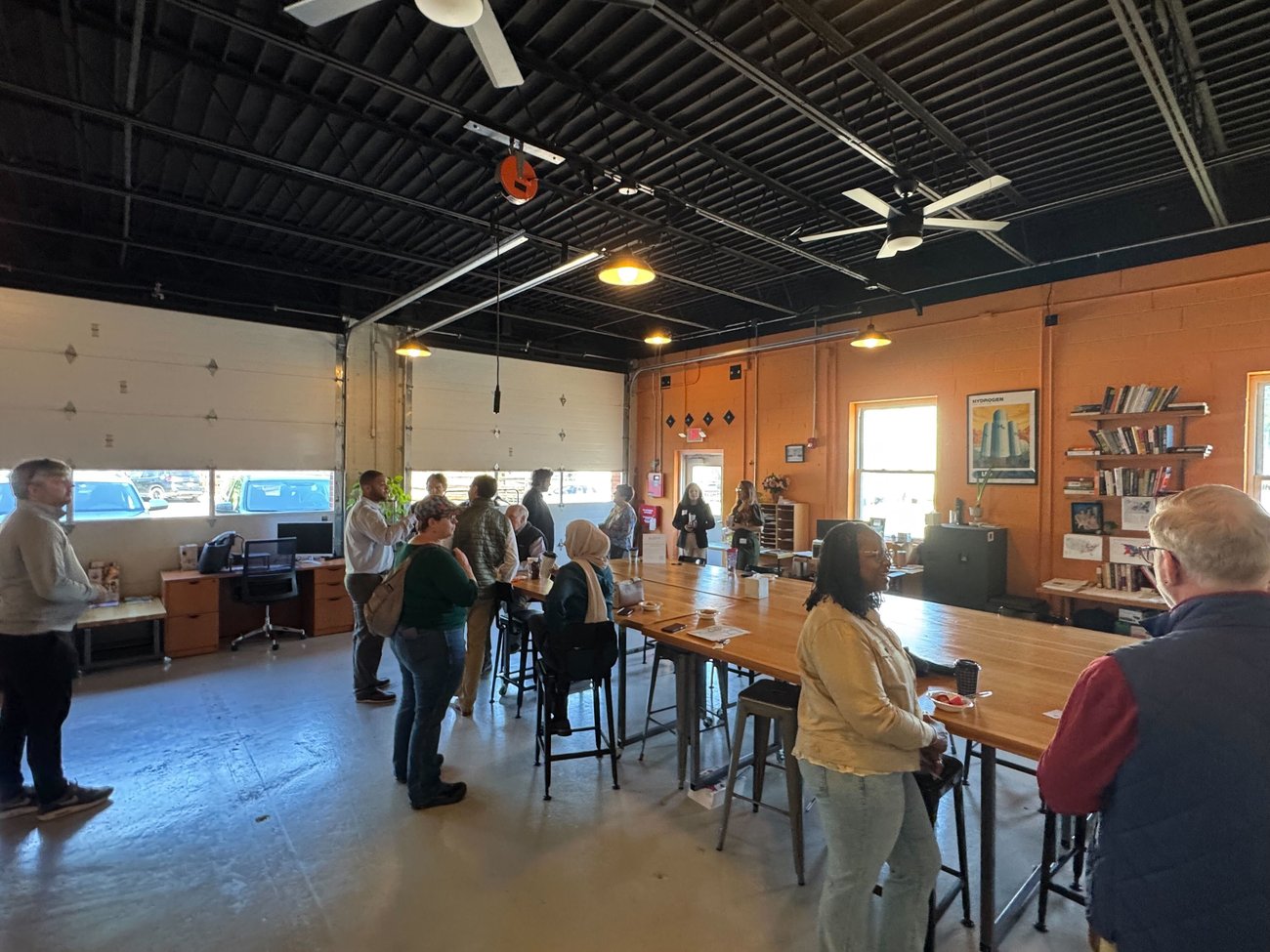
On Tuesday, the Energy Right team attended the Dominion Energy Innovation Center’s monthly Coffee &
Connections event in Ashland to discuss new energy projects impacting the region and connect with local businesses in the area.
|
|
|
|
|
|
|
|
NEXT WEEK
We’ll be going to Botetourt, Gloucester, Hanover, Halifax, New Kent, and South Hampton counties!
|
|
|
|
|
|
|
|
|
|
Gloucester County’s Planning Commission unanimously advanced conditional use permit applications
for two proposed solar projects—Fox Mill Solar and Daffodil Fields Solar—to the Board of Supervisors with recommendations for approval. Together, the projects would add roughly 12 MW of generation capacity, enough to power an estimated 2,000 homes, while utilizing only portions of larger rural and timber parcels.
Commissioners cited the projects’ limited visibility, compatibility with surrounding land uses, and relatively low impacts as positive factors. Supporters also emphasized the role solar leasing can play in preserving open space and providing landowners with additional income without requiring property sales or higher-intensity development. The approvals reflect an ongoing conversation across Virginia about balancing local land-use priorities, agricultural preservation, and growing demand for new energy generation.
|
|
|
|
|
|
|