Happy Friday!
April 17, 2026
This week, the Energy Right team was in King & Queen County for a Board of Supervisors meeting—we also attended a community meeting in Ashland regarding the Blunts Bridge solar project. The 2026 Virginia Solar Summit also just took place, and we’ll be sharing plenty from that this week and next.
Energy Policies in Focus as Virginia Prepares for Special Session

This week, the Governor met her deadline to act on legislation in Virginia. The Governor continued the General Assembly’s focus on tackling energy issues facing the Commonwealth. With the rise of energy demand due to large-scale manufacturing and the increased rise in data centers, many pieces of legislation were aimed at addressing energy affordability and reliability. The Governor made note that “As Governor, [she] knows [she] cannot control global energy markets,” but “there are tangible steps we are taking right now to tackle high costs where Virginians feel them most.” While some bills were signed, additional bills were sent back to the General Assembly with recommendations and amendments. The General Assembly plans to reconvene on April 23rd for a special session to review some of the Governor’s recommendations.
One bill the Governor suggested changes to was SB253/HB1393, bills aimed at shifting certain costs onto high-load users, including those aforementioned data centers and large manufacturers. The bills as originally passed would create a new rate class and save residential customers $5.52 per month by shifting the cost of new distribution infrastructure that serves high-load customers onto those customers. Governor Spanberger’s recommendation, however, strikes out the explicit cost-shift mechanism in the bills, preventing these costs from being placed on high-load customers. Additionally, the Governor suggested changes to HB891, which would allow the siting of battery energy storage projects on existing solar projects without the need for additional special exceptions or land-use approvals. The Governor’s recommendation for this bill establishes a cap on the size of battery storage projects at the capacity of the existing solar facility.
The Governor signed some legislation, including HB895, which increases targets for energy storage capacity that Appalachian Power (ApCo) and Dominion Energy are required to build, raising the expectation to 780 MW of short-duration energy storage capacity and 520 MW of long-duration energy storage for ApCo by 2040 and 2045, respectively, and 16,000 MW of short-duration and 4,000 MW of long-duration for Dominion Energy in the same time frame. The bill also directs the Virginia Department of Energy to develop model local ordinances for energy storage aligned with nationally recognized safety standards. The Governor also signed SB505 last week, a bill that will allow the State Corporation Commission to review how utilities buy fuel and potentially shift some of those costs away from ratepayers.
It’s clear the Governor is making efforts to address the energy issues facing the Commonwealth, and now we’ll have to wait and see how the General Assembly responds to her recommendations on additional pieces of legislation.
What We’re Thinking
The 2026 Solar Summit with
Dylan Taylor
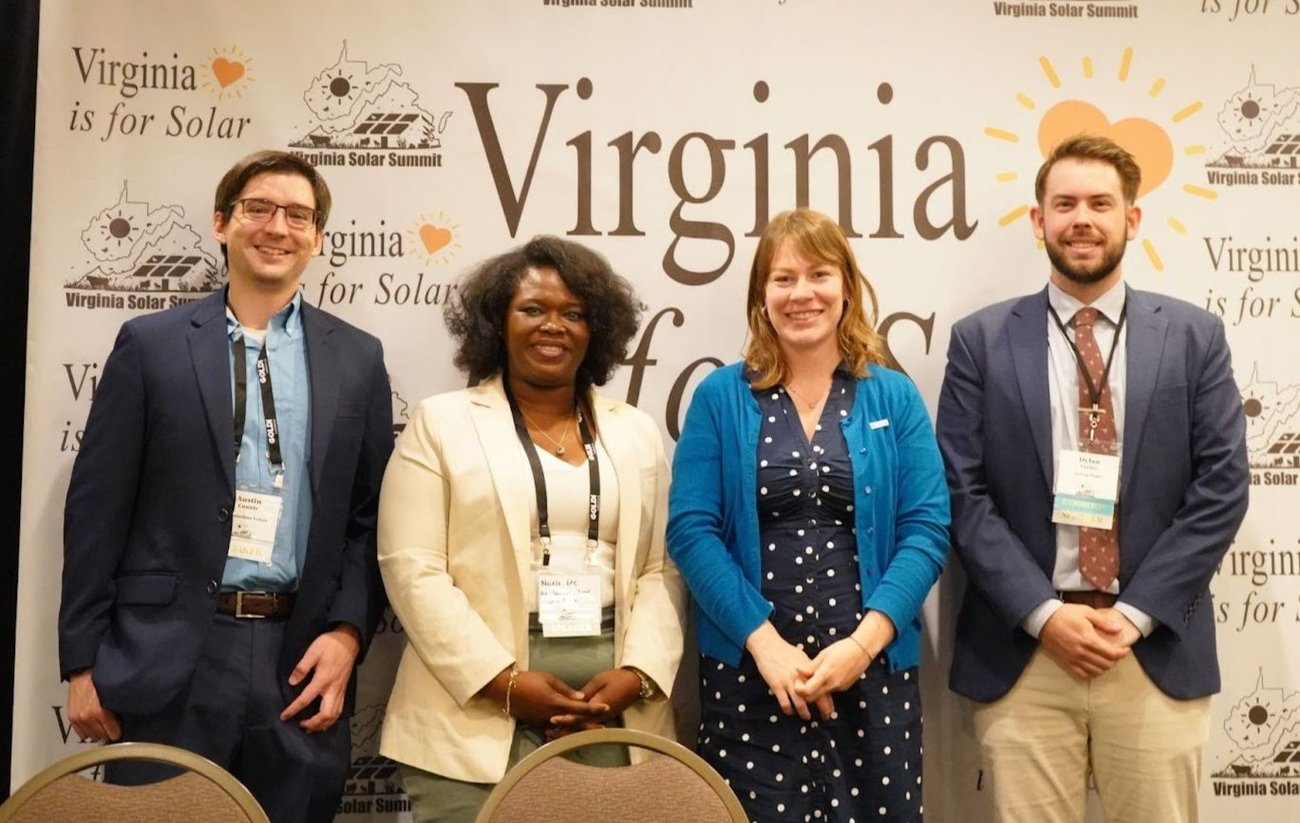
At the 2026 Virginia Solar Summit, I had the opportunity to sit on a panel focused on resilience at the residential, community, and grid level. One theme kept surfacing throughout the discussion: the energy landscape is changing faster than many communities are prepared for, and how we respond will shape what comes next.
For a long time, energy was a constant—something communities could rely on without much thought. That is no longer the reality. Aging infrastructure is being phased out, demand continues to grow, and the systems that once powered local economies are shifting. This is not a red versus blue issue. It is a lights on or off issue.
During the panel, I spoke about the role academia can play in this transition. Universities and research institutions can serve as a bridge between communities and the broader energy system, helping translate complex changes into practical understanding. Through education, trusted research, and ongoing engagement, they can equip local leaders and residents to make informed decisions about what comes next.
At the same time, information alone is not enough. Communities need to be willing to have difficult conversations about reliability, trade-offs, and risk. What does reliability look like moving forward? What trade-offs are acceptable? What risks come with standing still versus adapting? These aren’t easy questions, but avoiding them leaves communities less prepared for the realities ahead.
There is also a practical reality that deserves more attention. Where development happens, investment tends to follow. When new energy infrastructure is welcomed, it can bring jobs, local revenue, and long-term stability. When it is consistently pushed away, those opportunities don’t just disappear—they move to neighboring communities that are willing to adapt.
None of this is to say that change is easy, or that it should happen without thoughtful consideration. But standing still is a decision as well, and it carries its own consequences. Communities that choose to engage, learn, and adapt will be better positioned to maintain reliable energy while preserving the way of life they value.
What I took away from the Summit is that many of the tools, knowledge, and resources to navigate this transition already exist. The need is clear, and the path forward is increasingly defined. The next step is putting it into practice.
Where We Went
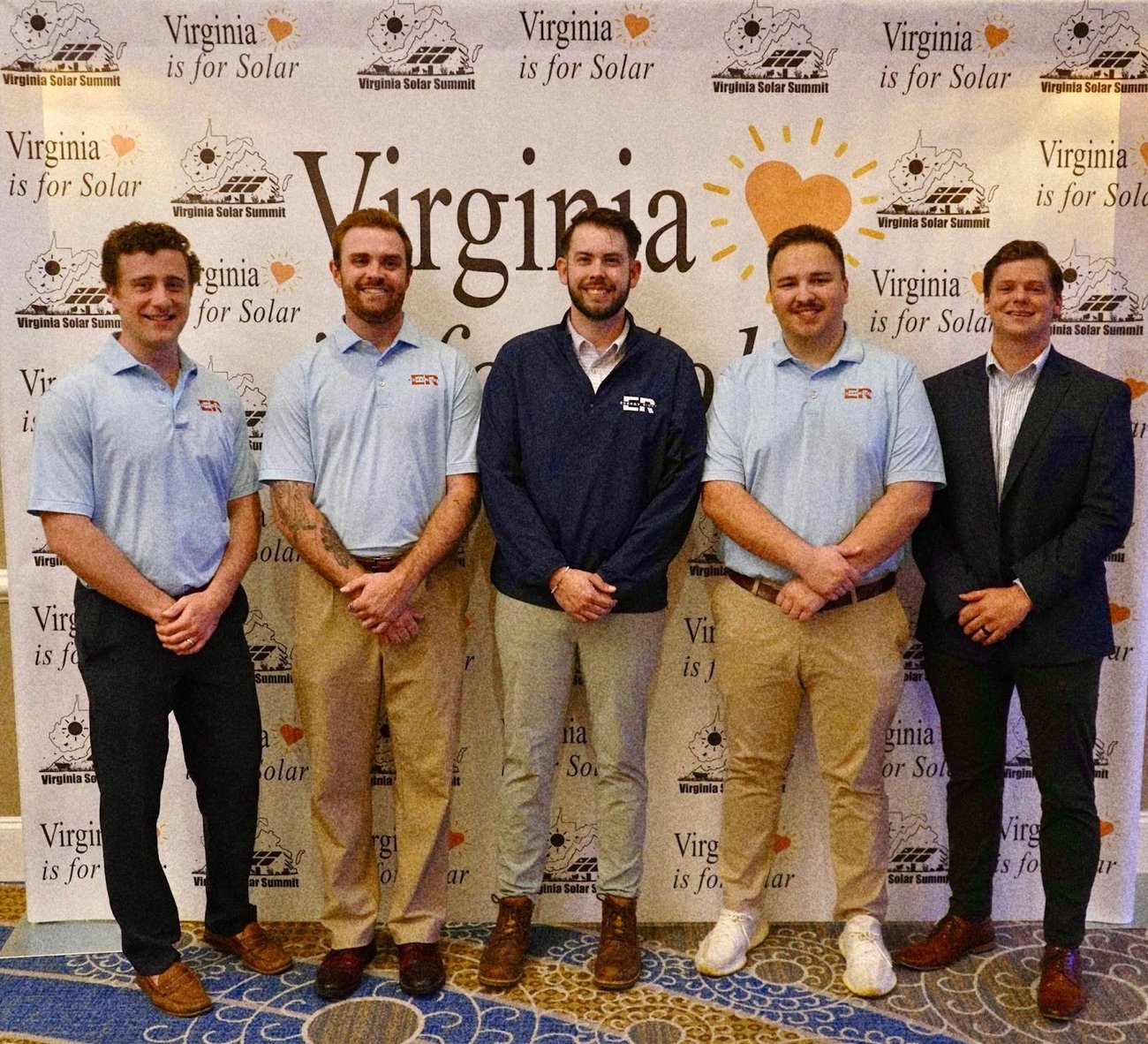
This week the Energy Right team went to Ashland, Chesterfield, Hanover, and King & Queen counties!
FROM THE ROAD
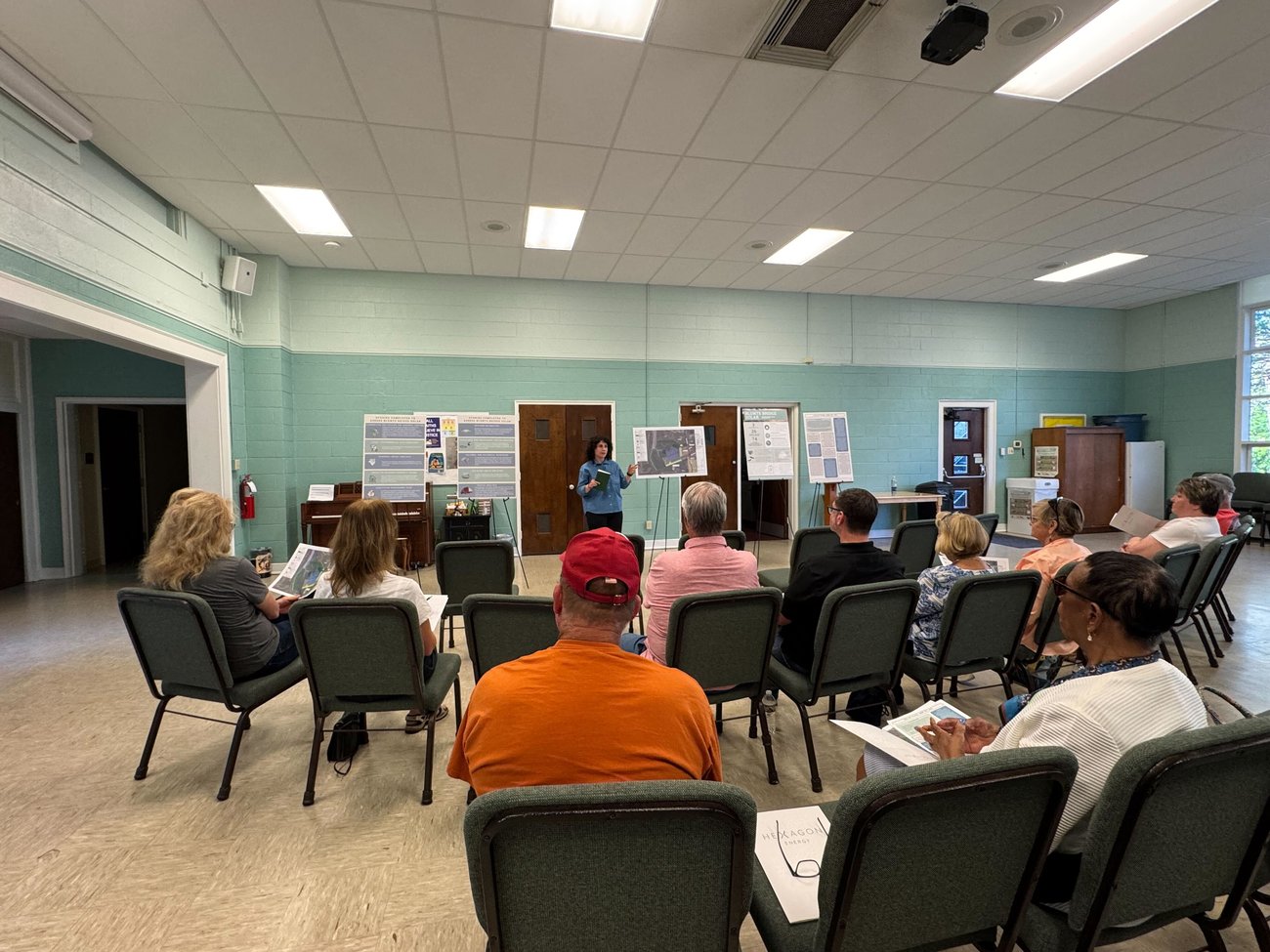
On Wednesday, the Energy Right team attended a community meeting in Ashland, Virginia for the Blunts Bridge solar project. There we heard from the Hanover planning department, the developer, as well as the project landowner and nearby residents. The presentation concluded with a productive Q&A session for attendees to relay their questions and or concerns.
WHAT NEXT?

NEXT WEEK
We’ll be in heading to Buckingham, Chesterfield, and Hanover counties once again!
Recent News
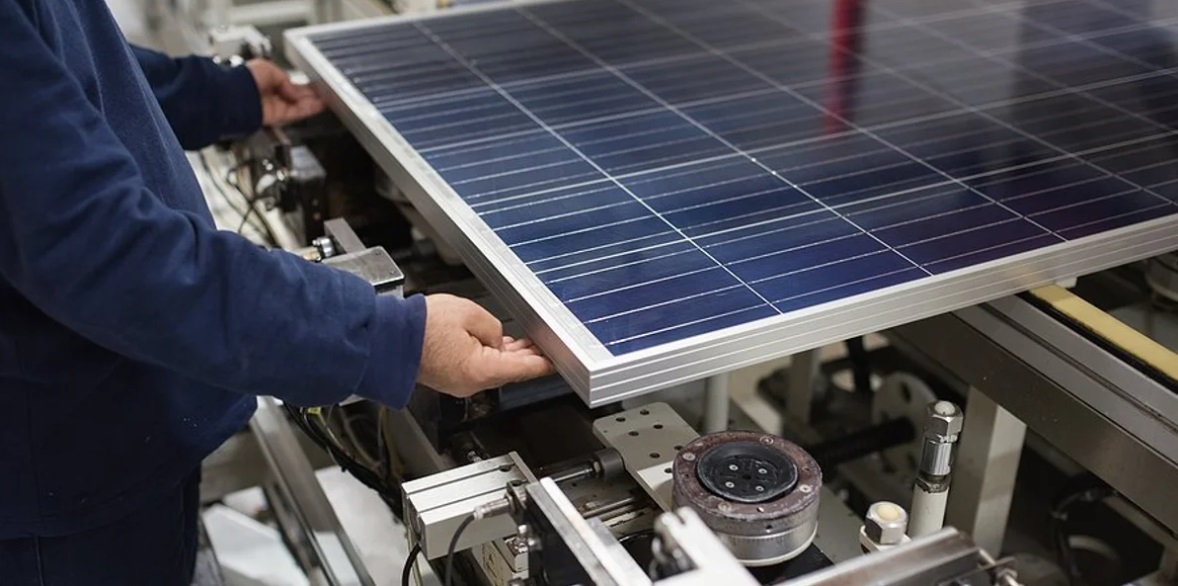
Suniva Expands US Solar Cell Manufacturing with New 4.5GW Facility
– Index Box
Suniva plans to build a 4.5 GW solar cell manufacturing facility in South Carolina, significantly expanding its U.S. production capacity alongside its existing Atlanta plant. The $350 million investment is expected to create more than 550 jobs and reflects continued momentum toward strengthening domestic solar manufacturing.
The new facility comes as U.S. module production grows faster than cell capacity, creating supply chain gaps. Industry leaders view investments like this as key to improving energy security, supporting domestic supply chains, and meeting increasing demand for American-made solar products.