|
|
|
Happy Friday!
April 10, 2026
|
|
|
|
This week on the road, the Energy Right team was in Halifax for a BOS meeting on Battery Energy Storage, King William County to sit in on a Planning Commission meeting where 5MW shared solar project was debated, as well as Sussex for a County Chamber of Commerce—energy independence comes from the ground up!
|
|
|
|
|
|
The Energy Interstate
|
 |
|
|
|
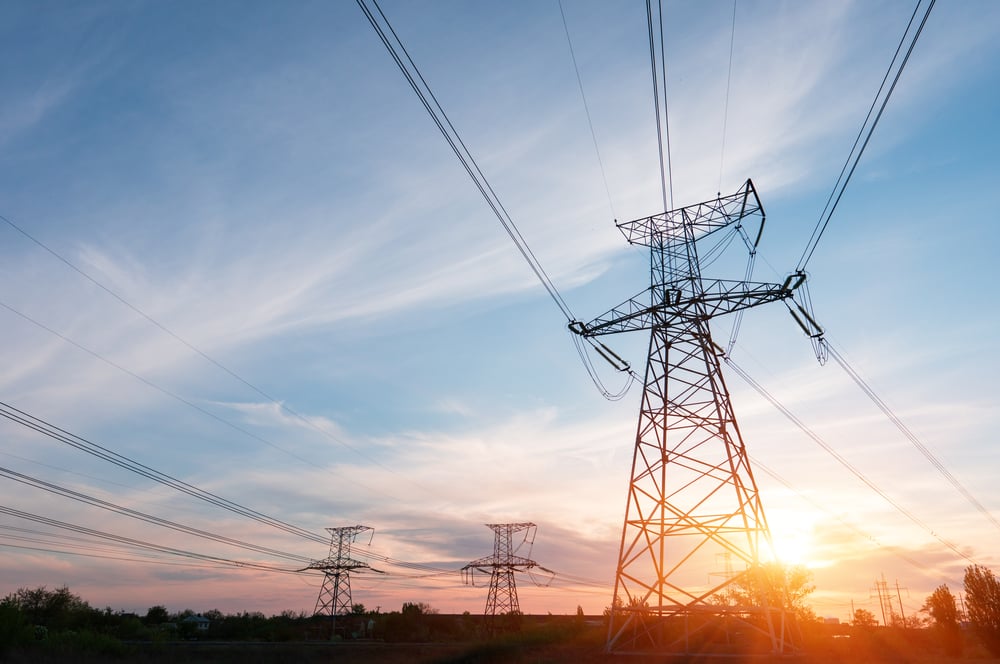
Dominion Energy, FirstEnergy Transmission, and Transource Energy have proposed the Joshua Falls–Yeat Transmission Line Project — a major new 765-kilovolt power line stretching roughly 115 miles from Campbell County to Culpeper County. At an estimated cost of about $1 billion, this would be Virginia’s highest-capacity transmission line to date. Developers describe it as a new “interstate of electricity,” designed to carry large amounts of power to growing demand centers, especially in Northern Virginia.
The project comes as electricity demand surges across the state, fueled by the rapid expansion of data centers and broader electrification trends. If approved by the Virginia State Corporation Commission, the line could be completed as early as 2029. It would cross several Central Virginia counties, including Appomattox, Buckingham, Goochland, Fluvanna, Louisa, Spotsylvania, and Orange.
While the project aims to strengthen the grid, a transmission corridor of this scale will bring significant new land-use pressures to many rural communities. As counties along the route deal with the visual, environmental, and property impacts of such large infrastructure, local residents may become more cautious about future large-scale energy projects in the same area.
This could make it more challenging to permit new solar farms and battery storage projects along the corridor in the future. Energy Right believes landowners along the proposed route deserve meaningful opportunities to share their input and perspectives with project developers and local officials as the process moves forward.
|
 |
|
|
|
More From the Polls
|
 |
|
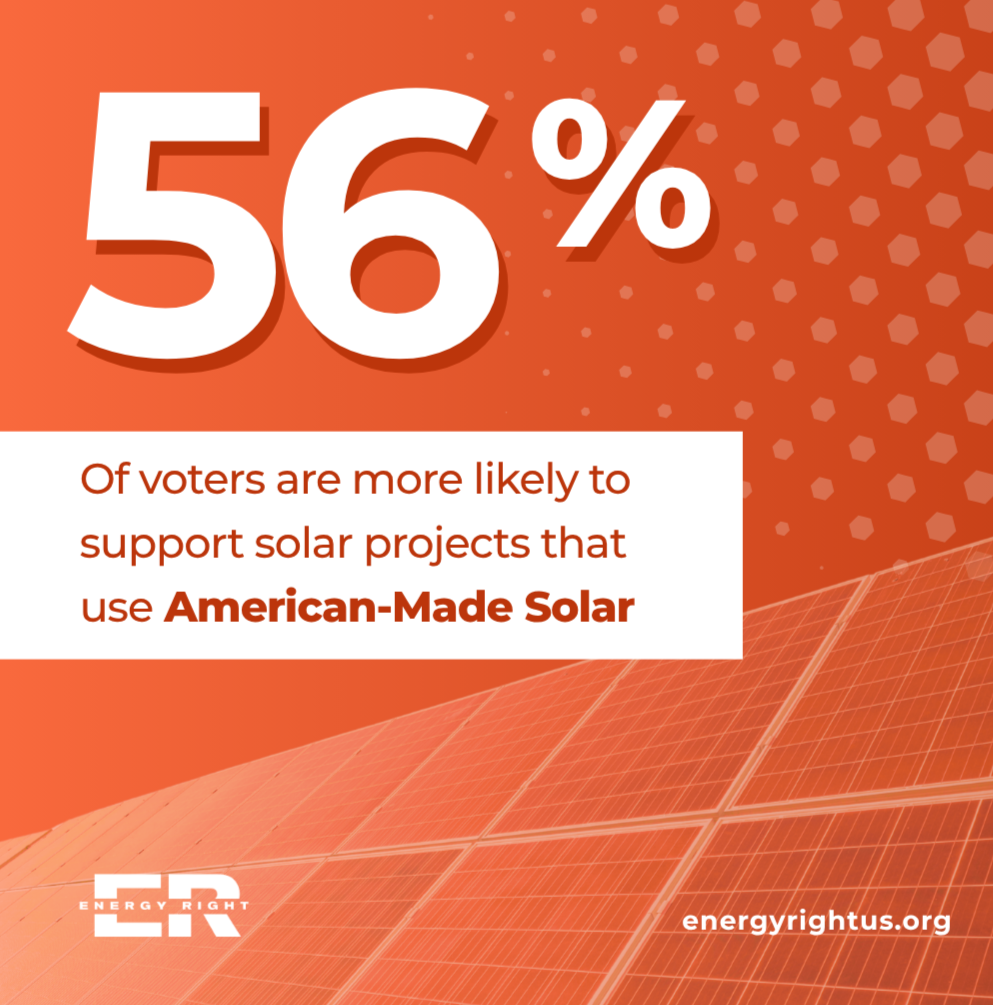
Support for domestic manufacturing is another factor shaping how Virginians view solar development. In our 2026 Energy Right Statewide Poll, voters were asked whether they would be more or less likely to support a solar project in their community if the company developing the project prioritized U.S. manufacturing and used American-made supplies when constructing energy infrastructure. The results highlight how energy policy and economic policy are increasingly linked in the public mind. For many voters, solar projects are not only about electricity generation but also about where the equipment is produced and how the supply chain supports domestic industry. Prioritizing American-made materials can reinforce the perception that new energy development brings broader economic benefits, including manufacturing jobs, supply chain investment, and stronger domestic production capacity.
|
|
|
|
What We’re Thinking
|
 |
|
Spanberger Continues to Move on Energy
|
 |
|
|
|
With just a few days left for Governor Abigail Spanberger to sign legislation, she has made movement on many bills related to energy this week – particularly aiming at lowering the costs of energy. For the first time in several years, the legislature seemed laser-focused on advancing energy policy, particularly related to solar and battery storage. With over 7,000 megawatts of solar capacity expected to come online in the next several years, and energy affordability top of mind for Virginians, the legislature sought to address the needs of the Commonwealth and its clear the Governor is echoing that sentiment. Of particular interest is HB683/SB659, bills that create a new Solar Interconnection Grant Program that will provide assistance for schools and city buildings looking to utilize solar projects to offset costs.
Continuing to address affordability, HB242 prohibits public utilities from increasing monthly payments more than once a year for ratepayers who are enrolled in a budget plan. HB1002 prohibits some utilities from disconnecting residential customers without attempting to arrange a payment plan or connect a customer with bill payment assistance/energy savings programs. Lastly, with rising demand for energy and the influx of data centers and large-scale manufacturing entering Virginia, HB507 sets stricter emissions standards for data center generators to reduce air pollution.
With the Governor’s deadline to sign legislation coming on Monday, we expect to see movement on a number of additional energy related bills. On local control, HB711 has not yet been signed, but would establish establishes clearer expectations around setbacks, decommissioning, and project oversight, addressing long-standing inconsistencies in how projects have been reviewed across jurisdictions. HB895 directs the development of model ordinances for energy storage, aligning a structured framework with national safety standards. We will continue to monitor the legislation that the Governor signs or does not sign and continue monitoring what that means for the future of clean energy in Virginia.
|
|
|
|
|
|
|
|
|
|
|
|
|
|
This week the Energy Right team went to Hallifax, King William, and Sussex counties as well as Richmond City!
|
|
|
|
|
|
|
|
|
|
This Wednesday, Energy Right attended a ChamberRVA nonprofit networking event. We value opportunities like this to discuss our work across the Commonwealth and serve as a resource for anyone with questions about energy development in Virginia.
|
|
|
|
|
|
|
|
NEXT WEEK
We’ll be in heading back into Richmond City and more!
|
|
|
|
|
|
|
|
|
|
Virginia is expected to rejoin the Regional Greenhouse Gas Initiative (RGGI) this summer, with state officials targeting participation in the program’s September carbon credit auction. As part of the move, Dominion Energy plans to seek approval to add associated costs back onto customer bills, though the exact impact remains unclear as credit prices continue to fluctuate.
RGGI revenue previously supported energy efficiency and flood resilience programs, but the program has also drawn debate over affordability. As emission caps tighten and demand grows, the return to RGGI highlights the ongoing balance between reducing emissions, maintaining reliability, and managing costs for Virginia ratepayers.
|
|
|
|
|