|
|
|
Happy Friday!
November 7th, 2025
|
|
|
|
This week, the Energy Right team travelled across the Commonwealth for an ordinance amendment on PV
panels, and two Board of Supervisors meetings. We believe properly informed communities are better suited to form their own county-specific parameters when it comes to energy initiatives, and that’s how you do energy, the Right Way.
|
|
|
|
|
|
|
|
Russell County:
Securing an Energy Future
|
 |
|
|
|
Russell County is taking meaningful steps to secure its energy future by approving two new community-scale solar projects—signaling a proactive approach to local energy planning and economic development. These projects boost grid reliability while still keeping decision-making power where it belongs: in the hands of county leaders and landowners who understand the needs of their community.
Community-scale solar is a powerful tool for rural and mid-sized counties like Russell. Unlike large utility-scale projects that often require major transmission upgrades, these installations feed power directly into the existing local grid. That means nearby homes, farms, and businesses benefit from the clean energy generated in their own backyard—without waiting on expensive infrastructure overhauls. Local families benefit from subscription savings through community solar programs, while the county gains new tax revenue to support schools, public safety, and infrastructure without raising rates or taxes.
These projects also represent a win for property rights. Landowners are able to lease their land for energy production, generating reliable income without giving up ownership. That income supports generational stability for families and allows the farmland to remain productive for future use.
By taking a balanced and forward-looking approach, Russell County is demonstrating that responsible solar development can be both economically smart and community driven. As energy demand continues to rise across Virginia, Russell demonstrates with an agrivoltaics model how rural counties can take control of their energy future and a more energy independent Commonwealth as a whole.
|
|
|
|
|
|
|
|
Buzz of the Week
|
|
|
 |
|
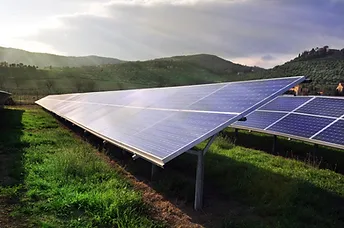
Hollyfield Solar Farm, VA
|
|
A great photo-reminder of how well-sited solar projects still utilize the land for agricultural purposes and environmental resilience. This field of wildflowers helps maintain the soil in a purposeful way while promoting native species and supplying thousands of bees with plenty of options!
|
|
|
|
Follow Us
|
|
|
|
|
|
|
|
|
|
|
|
|
|
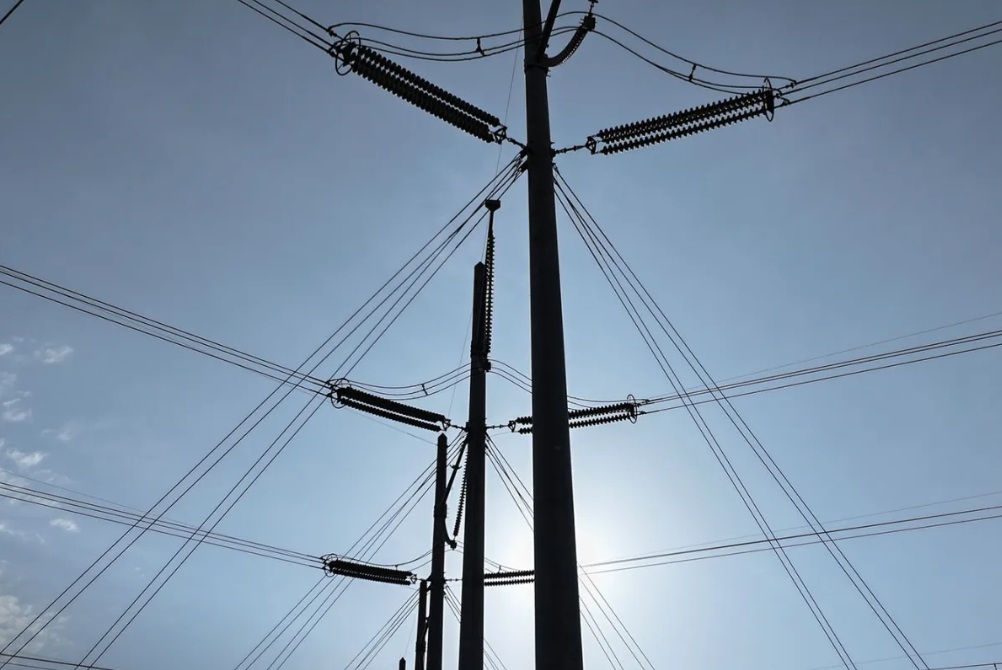
Energy prices remain a top concern for Virginia households and businesses. That’s why Appalachian Power’s recent proposal to cut electricity rates by more than 20%—saving the average residential customer around $10 per month is a more than welcome development. This proposed rate reduction reflects the economics of energy transition working exactly as they should: lower fuel prices combined with cost-effective renewables are driving consumer savings.
Appalachian Power’s shift away from volatile coal and toward fixed-cost solar is not ideological—it’s financial. The utility has replaced expiring coal contracts with lower-cost solar energy, locking in stable prices that shield ratepayers from future market swings. As energy demand continues to rise, particularly due to growth in data centers and electrified infrastructure, this forward-looking energy planning will be essential for costs to remain stable.
National trends also back up this energy transition. In 2024, solar accounted for 66% of all new electricity generation built in the U.S. By early 2025, solar and battery storage made up nearly 80% of additions. This change in energy development and deployment is more about economics and common sense than anything.
At Energy Right, we believe in a practical, market-driven approach to energy generation that values reliability, affordability, and innovation. Responsible solar and storage development are key to achieving that balance, helping utilities like Appalachian Power lower costs while strengthening the grid. When we support what works, everyone wins.
|
|
|
|
|
|
|
|
|
|
|
|
Our team was in Franklin, Gloucester, King George, Madison, and Russell counties.
|
|
|
|
|
|
|
 |
|
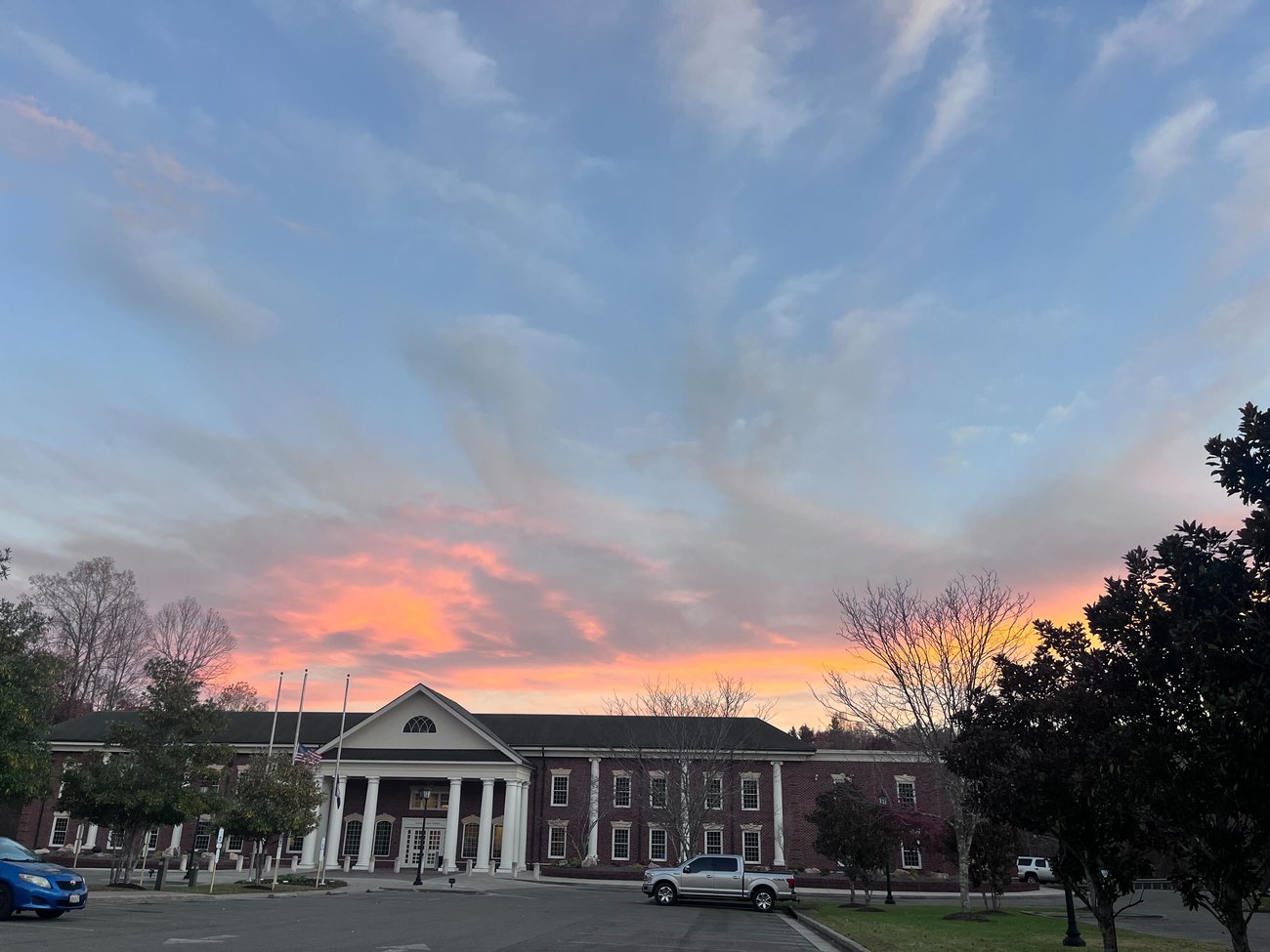
Franklin County Government Center
|
|
|
|
Energy Right was back in Franklin on the evening of November 5th to listen in to discussion regarding
the future of local energy regulations. Energy Right is committed to providing support to local governments and leaders seeking to learn more about energy projects, and develop local regulations that protect private property rights, encourage economic development, and generate responsible projects.
|
|
|
|
|
|
|
|
From No to Possibly: KG Supervisors to Reconsider Davis Hill Solar Project
– News on the Neck
|
|
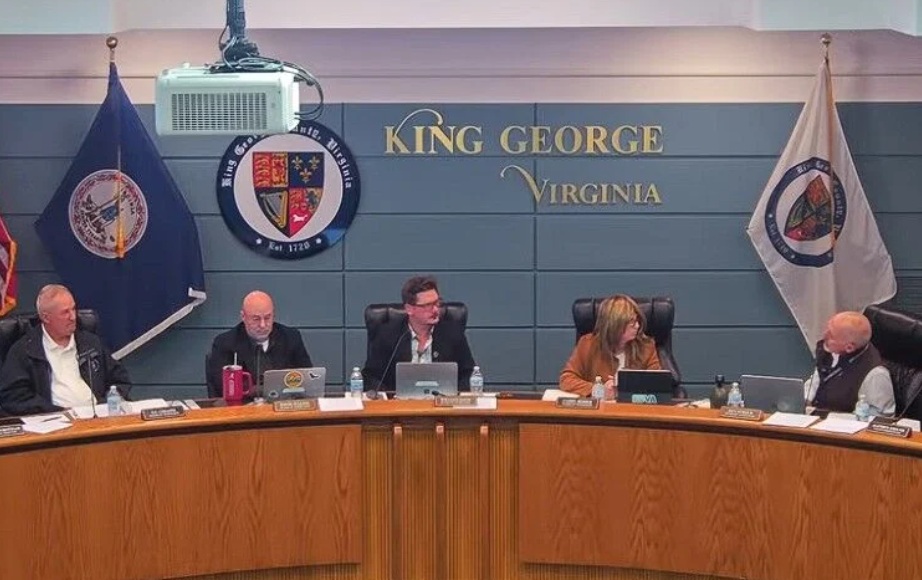
King George County’s Board of Supervisors has voted 3–2 to reconsider a previously rejected permit for the Daisy Lane community solar project. The project was denied after developers attempted to fast-track approval without resolving a key easement issue. Now, Supervisors Sullins, Stroud, and Davis support reopening discussion, citing potential economic benefits and the opportunity for the property owner to negotiate a fairer deal.
Opponents argue the reconsideration sets a troubling precedent and puts undue pressure on the landowner, who previously halted communication after legal threats. Supporters insist the move simply allows more time for resolution, with the potential for local energy savings and minimal community disruption.
|
|
|
|
|
|
|
|
|
|
NEXT WEEK
We’ll be going to Wise County among others on our mission for clean energy the Right Way.
|
|
|
|
|
|
|
|
|
|
Read the full and expanded article by our very own Ben Wilson on the “what” and “why” when it comes
to energy initiative decisions for communities.
“Solar energy systems, especially when paired with battery storage, can produce low-cost power during peak hours, when electricity is most expensive on the wholesale market. Batteries can then store excess energy for later use, helping utilities manage grid demand more efficiently. This flexibility increases both reliability and affordability. “
|
|
|
|
|
|
|