|
|
|
Happy Friday!
November 14, 2025
|
|
|
|
This week, the Energy Right team was in Bath County for the 91st Annual Virginia Association of
Counties Conference!
|
|
|
|
|
|
|
|
Diversify or Fall Behind: Why the Grid Needs an All-of-the-Above Strategy
|
 |
|
|
|
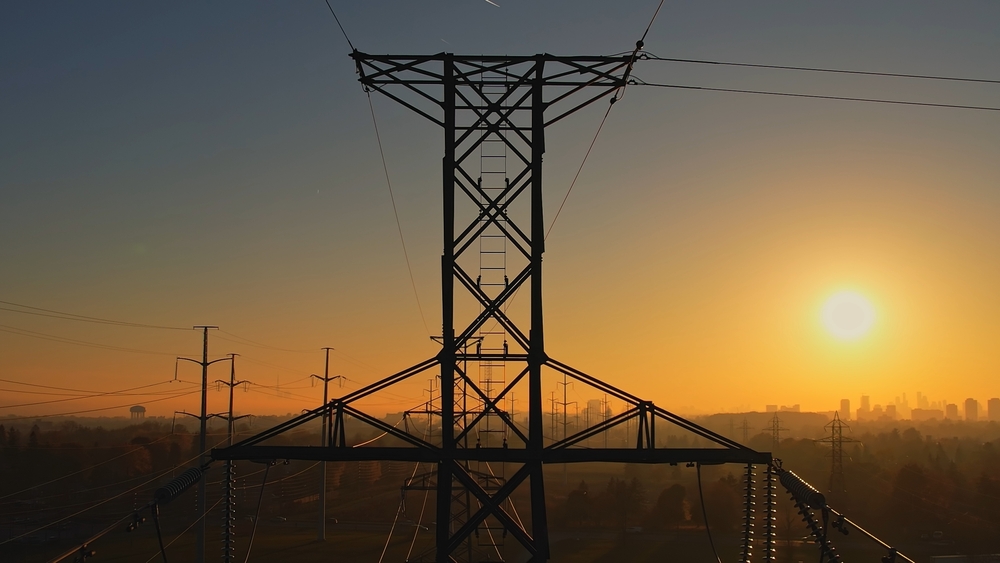
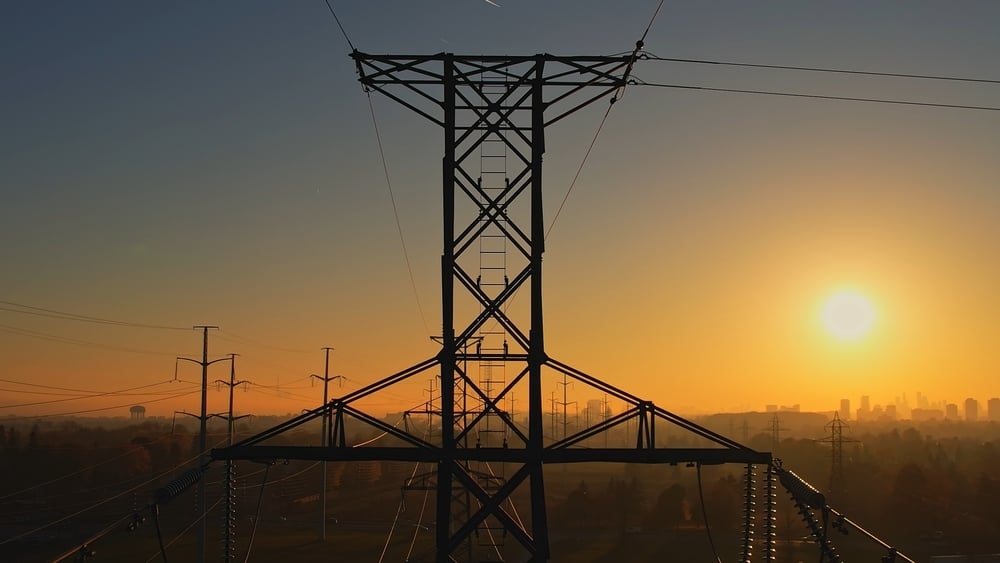
As electricity demand outpaces overall energy growth worldwide, the case for a diversified energy portfolio has never been stronger. According to the International Energy Agency’s World Energy Outlook, renewables like solar are expected to lead global growth, yet oil and natural gas will remain in the mix for decades. No single energy source can meet the scale, reliability, and flexibility that modern economies require—especially as sectors like transportation, manufacturing, and data
infrastructure electrify at record speed. Overreliance on any one source creates systemic risk, leaving families and businesses exposed to supply shocks, extreme weather, and price volatility.
Diversification offers resilience. A balanced energy mix protects consumers when supply chains tighten, or when global conflicts affect fuel prices. When solar generation dips, natural gas or nuclear can fill the gap. When fuel prices spike, renewables with fixed costs stabilize bills. At the same time, spreading investment across a range of technologies—solar, storage, nuclear, smart grids—strengthens local economies through job creation, manufacturing, and energy independence. The IEA notes that even as traditional fuel use plateaus, global nuclear capacity is set to grow by one-third by 2035, while battery storage and grid modernization must expand rapidly to keep pace with new demand.
With data centers, electric vehicles, and AI computing surging, the U.S. grid must be prepared for unprecedented load growth. Yet this must be done affordably, reliably, and cleanly. That means maintaining an “all-of-the-above” approach that combines innovation with pragmatism. Policymakers should prioritize grid flexibility, fast-track resilient infrastructure, and ensure energy strategies reflect both current realities and long-term goals. A modern energy economy is not about replacing one source with another—it’s about building a system strong enough to handle whatever comes next.
|
|
|
|
|
|
|
|
Buzz of the Week
|
|
|
 |
|
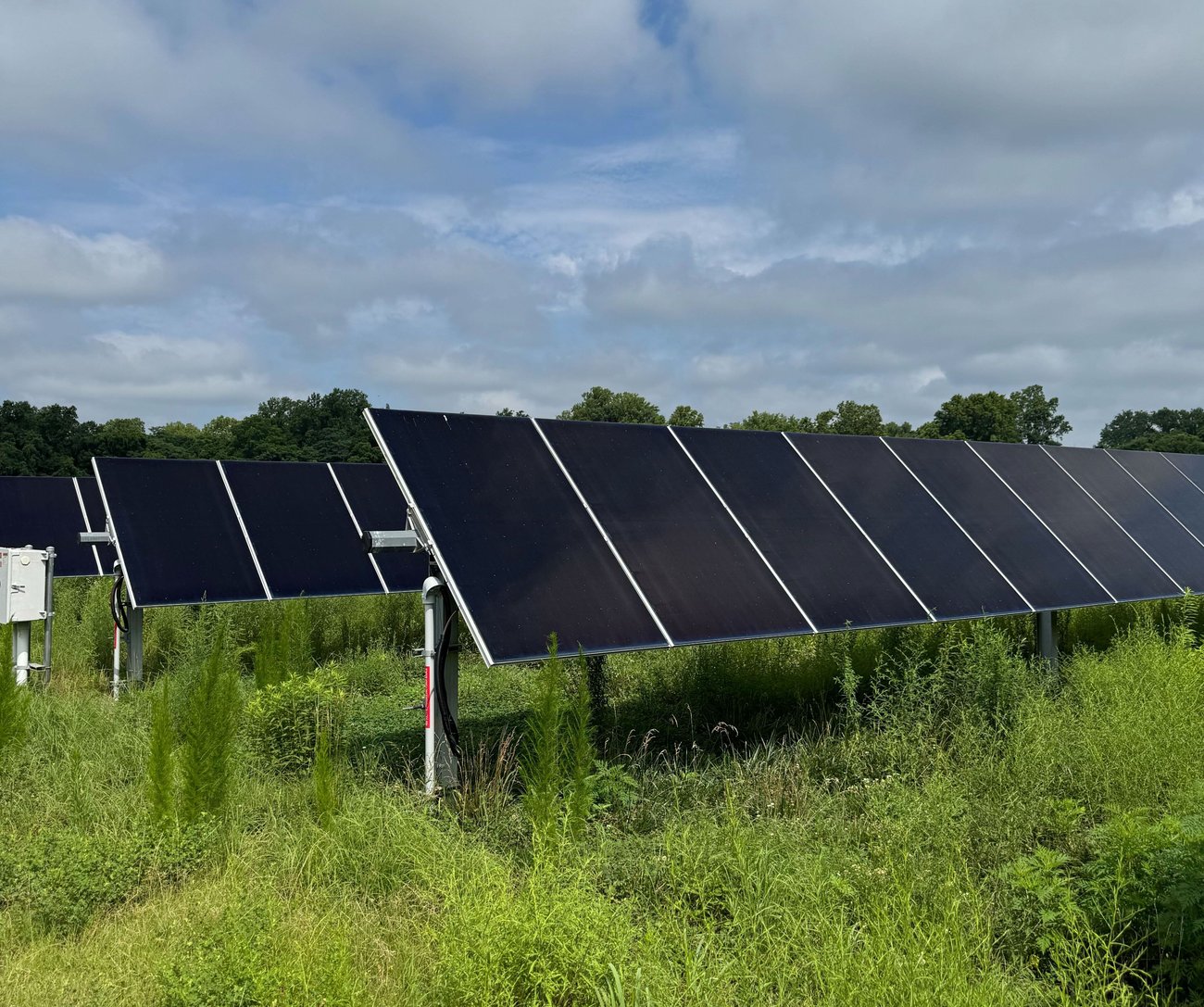
Hollyfield Solar Farm, VA
|
|
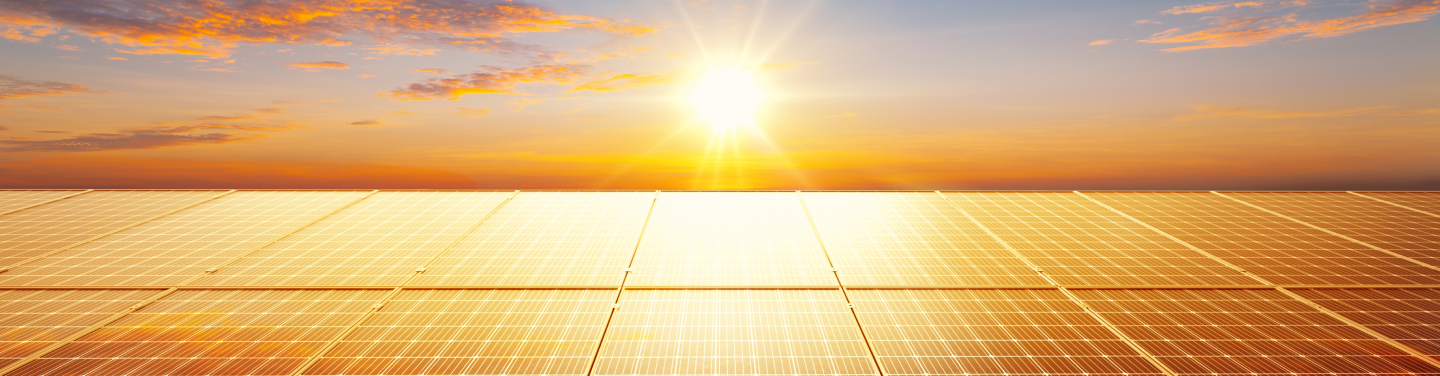
Amid the flowers and bees and fields of green, here are the solar panels at the Hollyfield Solar Farm. Up close, they certainly make a statement, but properly sited projects like this one can blend these arrays within the landscape, taking into account natural barriers like hills, trees, and other vegetation. We believe Hollyfield is another prime example of clean energy done the right way.
|
|
|
|
Follow Us
|
|
|
|
|
|
|
|
|
|
Keeping Clean Energy Local—and Compatible with Communities
|
|
|
|
|
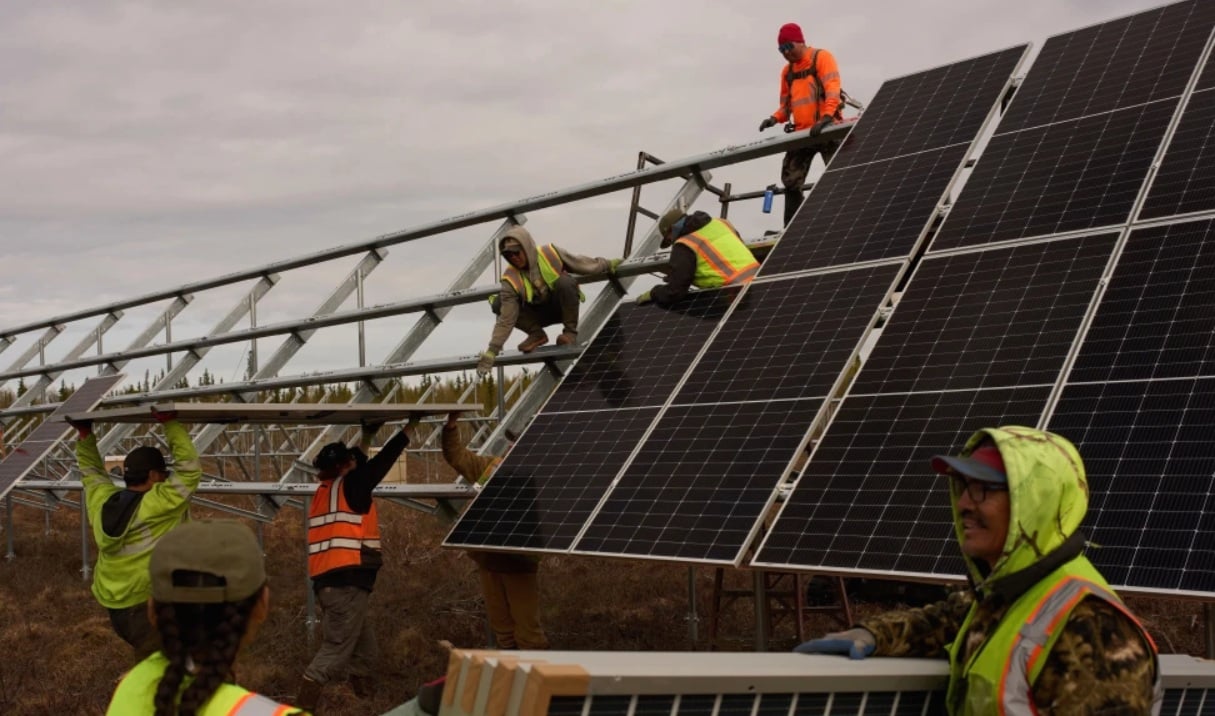
As Virginia accelerates its solar buildout, state and local leaders are taking steps to ensure that clean energy development aligns with long-term land use and conservation goals. New regulations now require solar developers to offset impacts on prime farmland and forested areas—measures that can include conservation easements or land restoration efforts. These requirements reflect a growing effort to balance energy production with land stewardship, especially as rural counties revisit zoning
policies and comprehensive plans to guide future development.
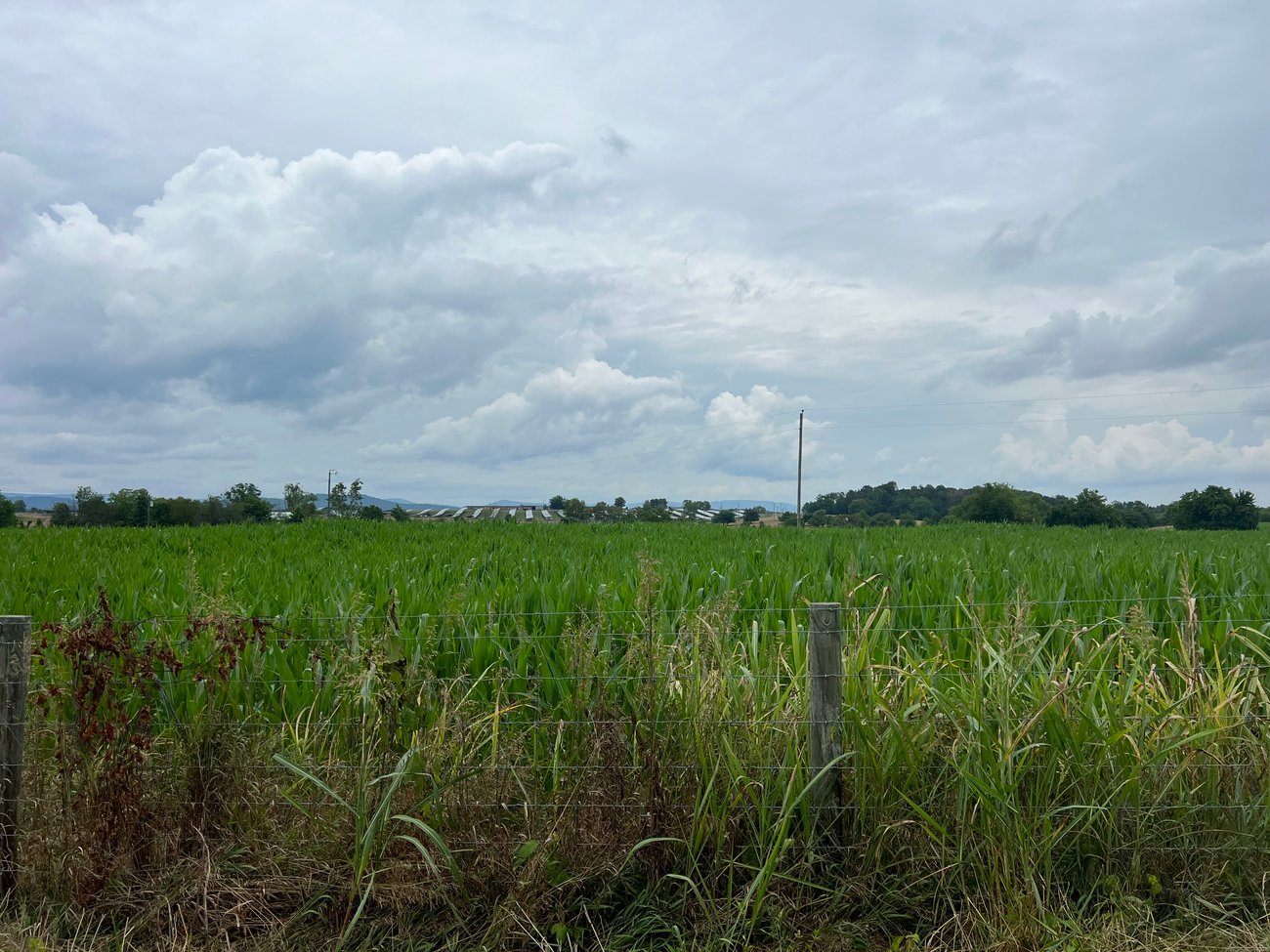
Solar’s land footprint is a growing part of the conversation. The average utility-scale facility in Virginia occupies about 6.9 acres per megawatt, meaning mid-sized projects (and larger ones) can cover hundreds of acres. While most development targets cropland or previously cleared land, roughly a quarter of solar-suitable acreage overlaps with conservation priorities. That overlap has prompted some environmental groups to call for more intentional siting—particularly as the state looks to scale solar without compromising natural or agricultural resources that communities value.
Local governments are stepping up to meet this challenge, using tools like acreage caps, siting agreements, and special-use permits to shape how projects move forward. Some counties are embracing dual-use practices like sheep grazing; others have temporarily paused new development to reassess their approach. As energy demand rises across Virginia—driven by population growth, electrification, and data center expansion—how the Commonwealth navigates these local decisions will play a key role in building a clean energy future that earns public trust and delivers long-term value.
|
|
|
 |
|
Well-sited solar panels among this rolling hills of VA
|
|
|
|
|
|
|
|
|
|
Our team was busy in Bath County this week for the 91st Annual VACo Conference!
|
|
|
|
|
|
|
 |
|
Omni Homestead, Bath County
|
|
|
|
The Energy Right team was grateful to be a part of the VACo conference yet again, and travelling
through the Commonwealth to the beautiful Bath region just reinforces our mission—bringing clean energy to Virginia while preserving the unique character of different counties and the beautiful landscapes that define our state.
|
|
|
|
|
|
|
|
In Virginia and New Jersey, solar and storage goals include surplus interconnection
– PV Magazine
|
|
King George County’s Board of Supervisors has voted 3–2 to reconsider a previously rejected permit for the Daisy Lane community solar project. The project was denied after developers attempted to fast-track approval without resolving a key easement issue. Now, Supervisors Sullins, Stroud, and Davis support reopening discussion, citing potential economic benefits and the opportunity for the property owner to negotiate a fairer deal.
Opponents argue the reconsideration sets a troubling precedent and puts undue pressure on the landowner, who previously halted communication after legal threats. Supporters insist the move simply allows more time for resolution, with the potential for local energy savings and minimal community disruption.
|
|
|
|
|
|
|
|
|
|
NEXT WEEK
We’ll be going to Prince Edward County and Roanoke and more!
|
|
|
|
|
|
|
|
|
|
The International Energy Agency’s latest World Energy Outlook shows a critical truth: electricity
demand is set to outpace all other forms of energy growth, driven by data centers, EVs, and global electrification. While renewables—especially solar—will lead new generation, oil and gas are expected to remain part of the mix through 2050. The IEA calls for urgent investment in grid upgrades, battery storage, and diversified energy sources to meet surging demand without sacrificing affordability or security.
|
|
|
|
|
|
|