|
|
|
Happy Friday!
January 23, 2026
|
|
|
|
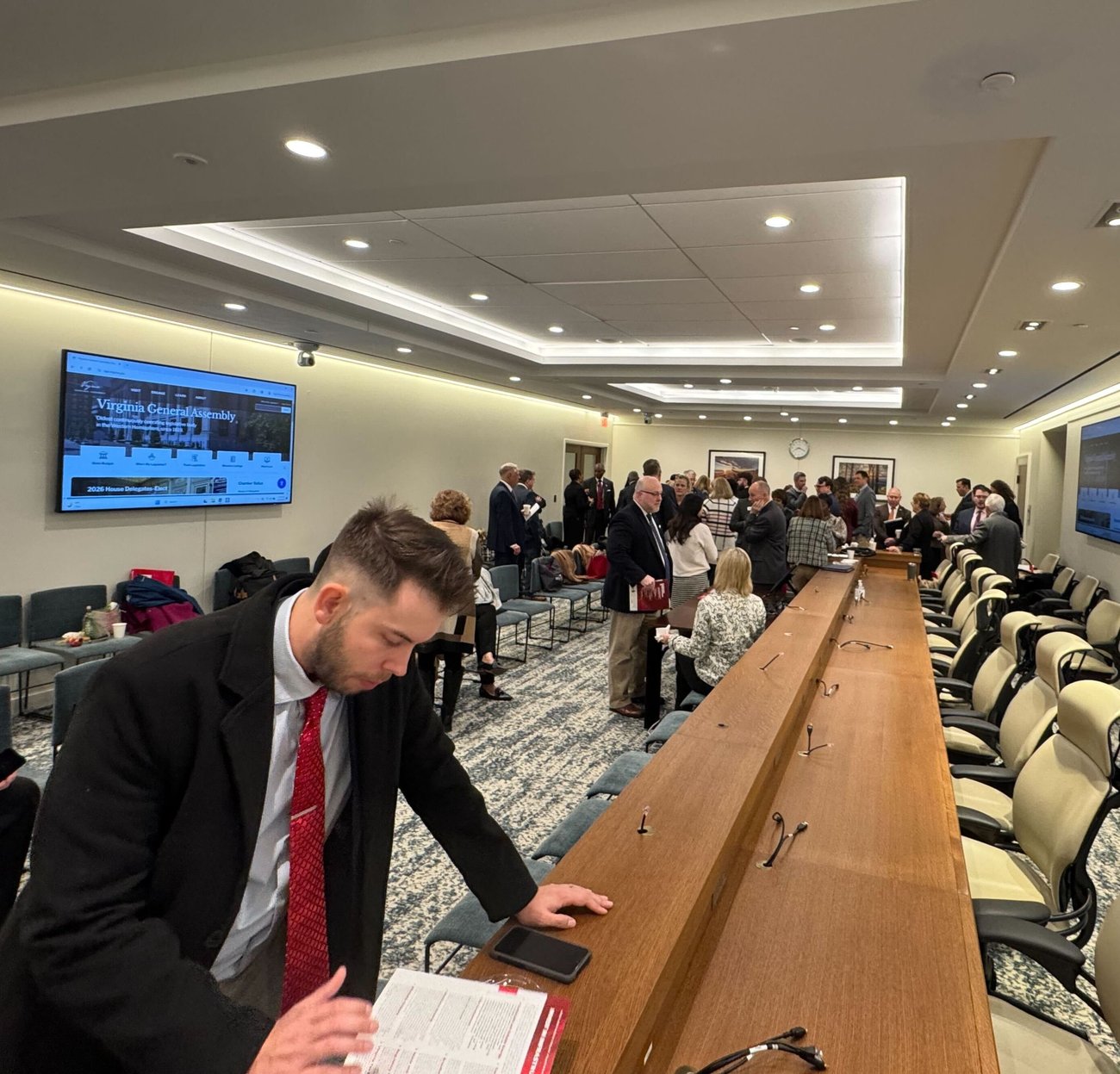
The Energy Right team was at both the Conservative Energy Caucus as well as the General Assembly in Richmond, where we are following along with the discussions, proposals, and community members. 2026 is already shaping up to show how important a reliable energy grid is for the Commonwealth, and we’re optimistic that this year will have even more growth towards clean energy, the Right Way.
|
|
|
|
|
|
|
|
PJM’s Warning and Virginia’s Wake-Up Call on Energy Policy
|
 |
|
|
|
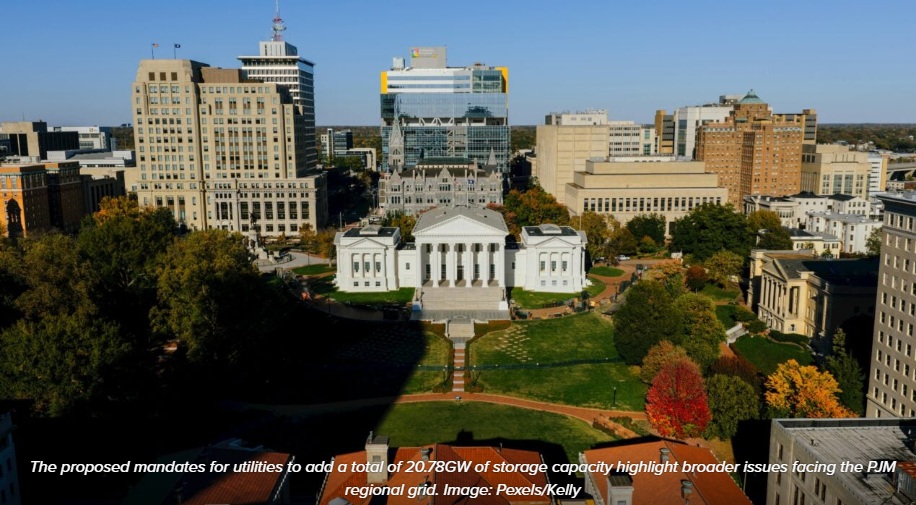
Virginia’s energy debate is intensifying as lawmakers consider new proposals aimed at addressing rising demand and grid reliability. One of the most prominent is HB895, which would require utilities to procure nearly 21 gigawatts of energy storage over the coming decades. Supporters frame the bill as a proactive response to system stress and long-term planning needs. Energy storage can play an important role in grid operations, particularly by improving flexibility and supporting renewable integration, but it remains as a supporting role rather than a source of electricity itself. Without parallel attention to firm, dispatchable generation, mandates at this scale raise questions about cost, performance, and timing.
These concerns are sharpened by recent developments at PJM, where a failed capacity auction and looming supply shortfalls have pushed grid operators and federal officials into emergency mode. For the first time, PJM has acknowledged it may not be able to guarantee reliability in the near term, prompting calls for emergency procurement and reliability backstops. The immediate challenge is capacity: how much energy is needed, and how much do we have?
Both the proposed storage mandate and PJM’s emergency actions are rooted in the same cause—explosive growth in data centers (especially in Northern Virginia). Utility representatives from Dominion Energy and Appalachian Power have already shared that electricity demand is growing at an average rate of roughly 6 percent annually, a pace that is not sustainable with Virginia’s current generation portfolio. Looking ahead, any serious energy policy should follow the cost causation principles so that the infrastructure required to serve large new loads is funded by those loads, rather than distributed across households and local governments.
As Governor Spanberger begins her term, HB895 is more likely to advance than it was under the previous sessions. Even so, passage alone will not resolve Virginia’s broader energy challenges. The state’s path forward will require careful alignment between reliability, affordability, community interests, and long-term planning. A balanced, technology-neutral approach that values firm power, incorporates flexibility, and accounts for who is driving demand will be essential to maintaining grid stability and public confidence as Virginia’s energy system continues to evolve.
|
|
|
|
|
|
|
|
|
|
|
|
|
|
Our team was at the Conservative Energy Caucus as well as the General Assembly this week!
|
|
|
|
|
|
|
|
|
|
The Energy Right team has been busy this week with the 2026 Virginia General Assembly Session, connecting with legislators and fellow advocacy groups at a wide range of receptions and caucus meetings, including our own. In each setting, we have emphasized the importance of protecting property rights, preserving local control, and advancing rapidly deployable energy.
|
|
|
|
|
|
|
|
Virginia proposes 20.78GW storage mandate as Trump, governors call for emergency PJM grid measures
– ESN
|
|
Virginia’s push to dramatically expand energy storage is unfolding alongside an unprecedented surge in electricity demand, driven largely by the rapid growth of data centers. New legislation would require utilities to add more than 20 gigawatts of storage over the coming decades, reviving a proposal vetoed last year and reflecting a changing political landscape under Gov. Abigail Spanberger. The bill arrives as PJM, the regional grid operator, confronts reliability risks after a failed capacity auction and mounting concerns about near-term supply shortfalls.
What we’re taking away: Storage is increasingly viewed as part of the solution, but the timing matters. State-level mandates are colliding with regional grid stress, emergency procurement discussions, and unresolved questions about who pays for new infrastructure. Across PJM, policymakers, advocates, and regulators agree on the problem—explosive demand growth—but remain divided on whether accelerating storage, fast-tracking generation, or reforming cost allocation is the right first move.
|
|
|
|
|
|
|
|
|
|
NEXT WEEK
We’ll be doing what we can to stay safe on the roads and head out to Gloucester and Richmond!
|
|
|
|
|
|
|
|
|
|
Prince Edward County has approved the 150-MW Tobacco Trail Solar project, expected to supply roughly 68–93% of the county’s annual electricity needs over its 30-year lifespan while generating nearly $36 million in economic impact. Supporters say the project reflects rising demand for reliable, locally produced energy and shows how solar can strengthen energy reliability, support land stewardship, and deliver lasting benefits to rural communities.
|
|
|
|
|
|
|