Happy Friday!
October 31st, 2025
From visiting farms to solar farms, the Energy Right team visited VSU for their Fall Festival as well as attended multiple counties to listen in and give comment regarding solar planning. We believe clean energy can be done better, and we know it should be done the Right Way!
Is Nuclear Power the Common Ground Virginia Needs?
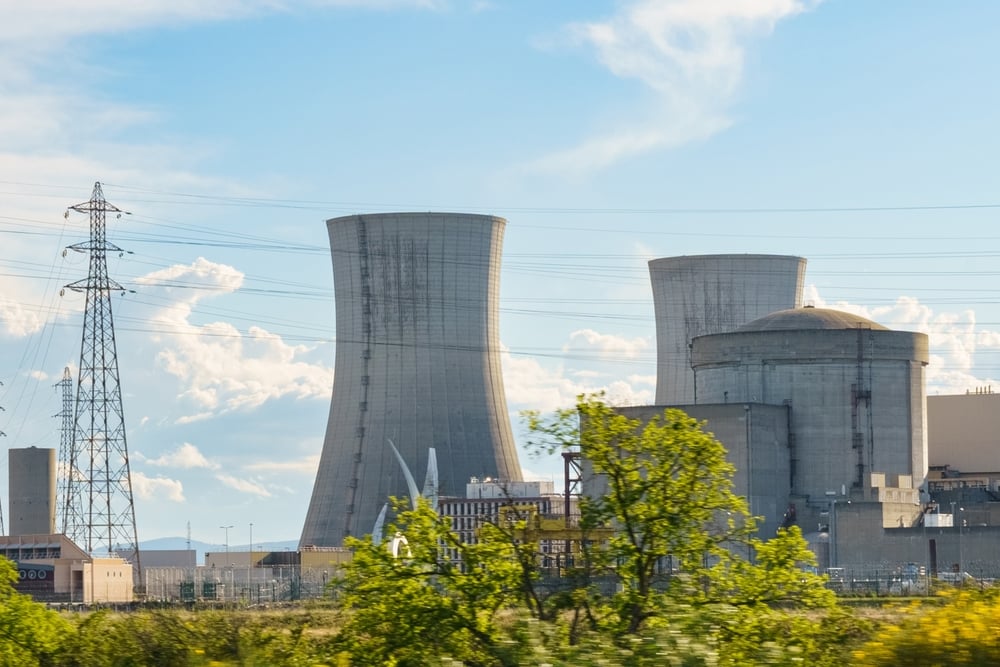
The October 9 gubernatorial debate in Virginia revealed something rare in today’s politics: common ground on energy. Both Democratic candidate Abigail Spanberger and Republican candidate Winsome Earle‑Sears voiced support for expanding nuclear power in Virginia. At a time when conversations around the grid are often divided by party lines, this shared commitment is a promising shift toward bipartisan solutions for the Commonwealth’s energy future.
Spanberger noted that Virginia’s growing demand means “we should perhaps recalibrate or in some places… look towards more aggressive forward-leaning [technologies].”
Earle-Sears put it plainly, “I’m for an all of the above energy plan—oil, natural gas, coal, nuclear, renewables—all of it. If it keeps the power on and costs low.”
For years, Virginia has relied on a mix of imported electricity and traditional generation sources to meet growing demand. As the state’s population expands and energy-intensive industries such as data centers continue to grow, our dependence on out-of-state power has left ratepayers vulnerable to higher costs. Nuclear power, particularly next-generation small modular reactors (SMRs), offers a path toward long-term energy independence, reliability, and affordability.
Redefining nuclear as a carbon-free resource, as states such as Colorado, Connecticut, and New York have already done, would open the door for greater investment and innovation in Virginia. It would also allow nuclear power to qualify alongside renewables in clean-energy standards, helping the Commonwealth meet carbon-reduction goals without sacrificing grid stability or driving up costs for families.
Virginia has a rare opportunity to unite around a shared goal: energy abundance. By advancing nuclear innovation and reclassifying it as carbon-free, the Commonwealth can cut costs for families, attract new industries, and keep the lights on with power produced right here at home. This is not a partisan priority, it’s a promise to Virginia’s future.
From the Field
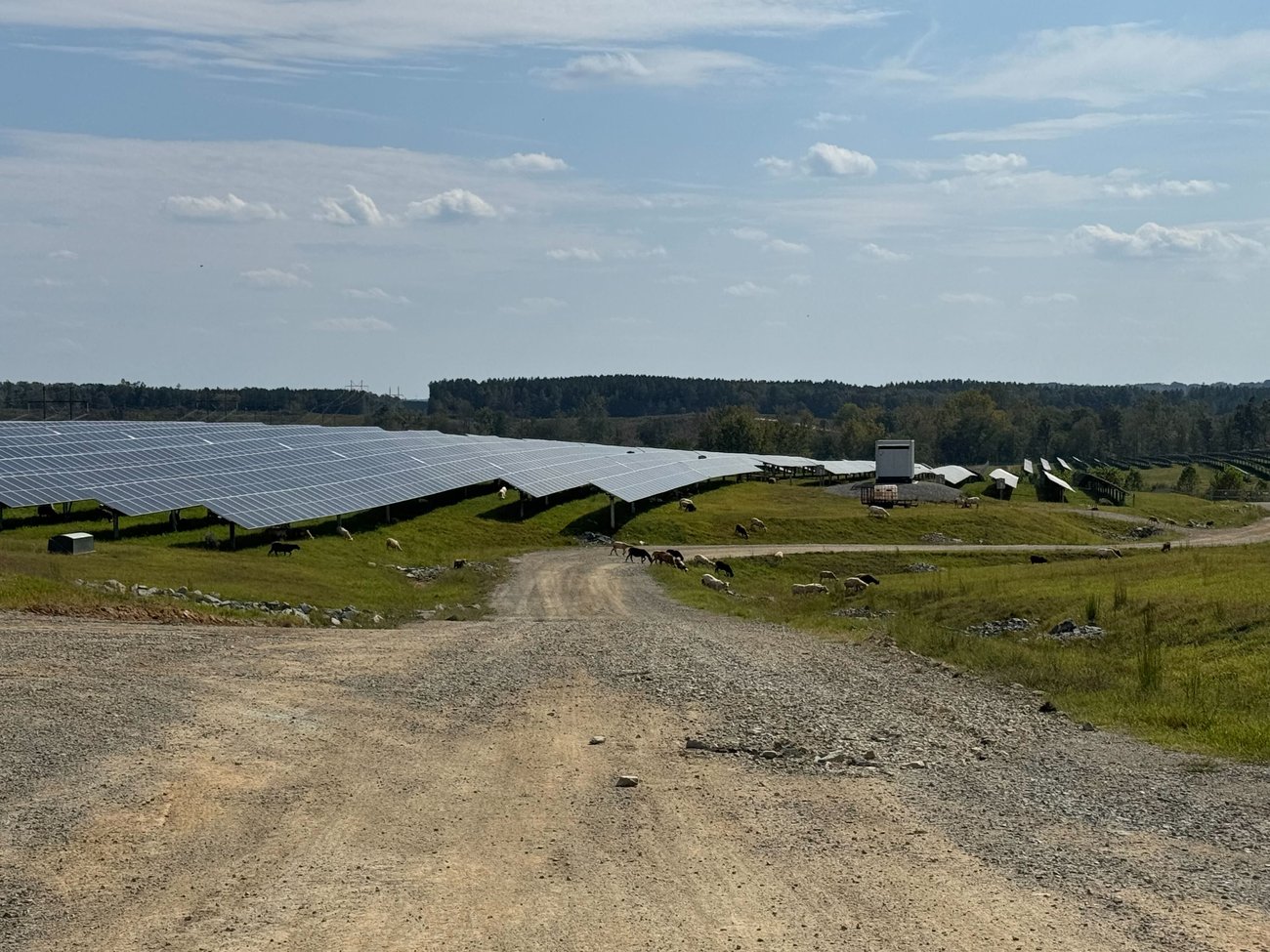
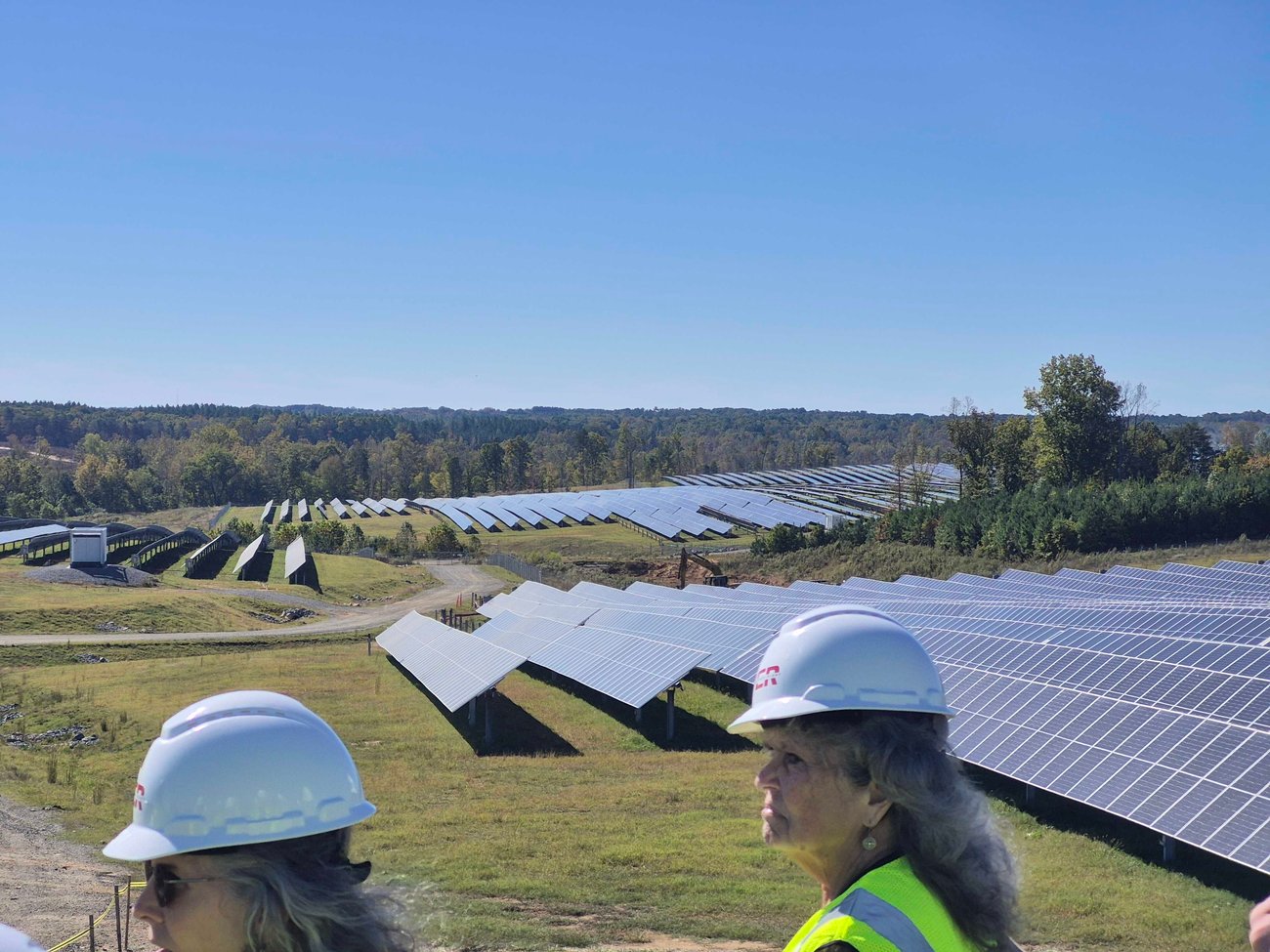
A larger view of the Crystal Hill solar farm—while the near panels show quite the contrast, the panels in the distance really blend in!
WHAT WE’RE THINKING
Seeing Is Believing: Solar Visits Shift Perspectives
Visiting a solar farm can be a game changer for legislators, county officials, developers, and community leaders. It brings scale, safety, and design clarity into focus—details that are often distorted or overlooked online. Walking the site, hearing the inverters, or noticing the quiet hum of clean energy production makes it clear: solar facilities are built to integrate with the landscape, not disrupt it. Firsthand experience replaces speculation with reality, helping leaders see how solar supports strong communities and long-term infrastructure planning.
Just as importantly, these visits highlight how agriculture is not vanishing, but evolving. Many solar projects across Virginia support sheep grazing, beekeeping, and native pollinator habitats, creating new streams of agricultural revenue. Local feed and seed suppliers remain involved, and grazers gain reliable, well-paying land access. Because agrivoltaics is a relatively new practice, we are still seeing farmers implement unique takes on agriculture alongside energy installations, and there is still room for growth. Rather than replacing agriculture, solar farms can help preserve it—providing financial stability for landowners and keeping farmland intact for future generations.
On-site tours also speak directly to what neighbors often care about most: peace, safety, and quality of life. Solar farms are quiet, emission-free, and have minimal impact on nearby homes or roads. There’s no traffic, no pollution, and no bright lights—just clean energy and managed open space. When decision-makers see that for themselves, it’s easier to move beyond fear-based narratives. A single visit can turn skepticism into understanding—and that understanding leads to smarter, more confident decisions for communities across the Commonwealth.
Where We Went

Our team went to Botetourt, Essex, Franklin, and King George counties!
FROM THE ROAD

Yesterday morning, the Energy Right team attended Virginia State University’s Fall Festival at Randolph Farm. While we were there, we got the chance to speak to Dr. Neil Brown who is leading the charge at implementing an agrivoltaics project on campus. Using sheep, or even cattle as he alluded to, would be the first such endeavor by an institution of higher education in the state of Virginia.
WHAT WE READ
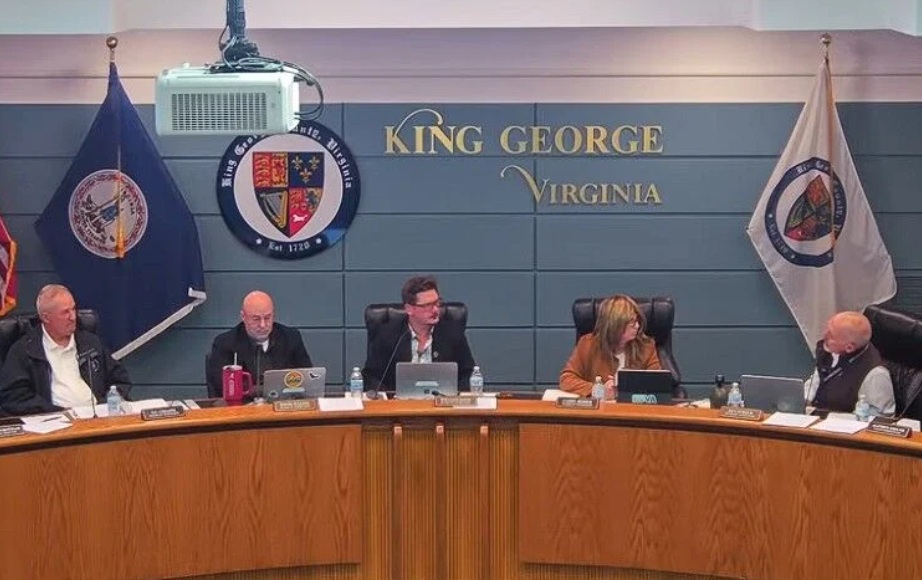
From No to Possibly: KG Supervisors to Reconsider Davis Hill Solar Project
– News on the Neck
King George County’s Board of Supervisors has voted 3–2 to reconsider a previously rejected permit for the Daisy Lane community solar project. The project was denied after developers attempted to fast-track approval without resolving a key easement issue. Now, Supervisors Sullins, Stroud, and Davis support reopening discussion, citing potential economic benefits and the opportunity for the property owner to negotiate a fairer deal.
Opponents argue the reconsideration sets a troubling precedent and puts undue pressure on the landowner, who previously halted communication after legal threats. Supporters insist the move simply allows more time for resolution, with the potential for local energy savings and minimal community disruption.
WORTH A READ + SHARE
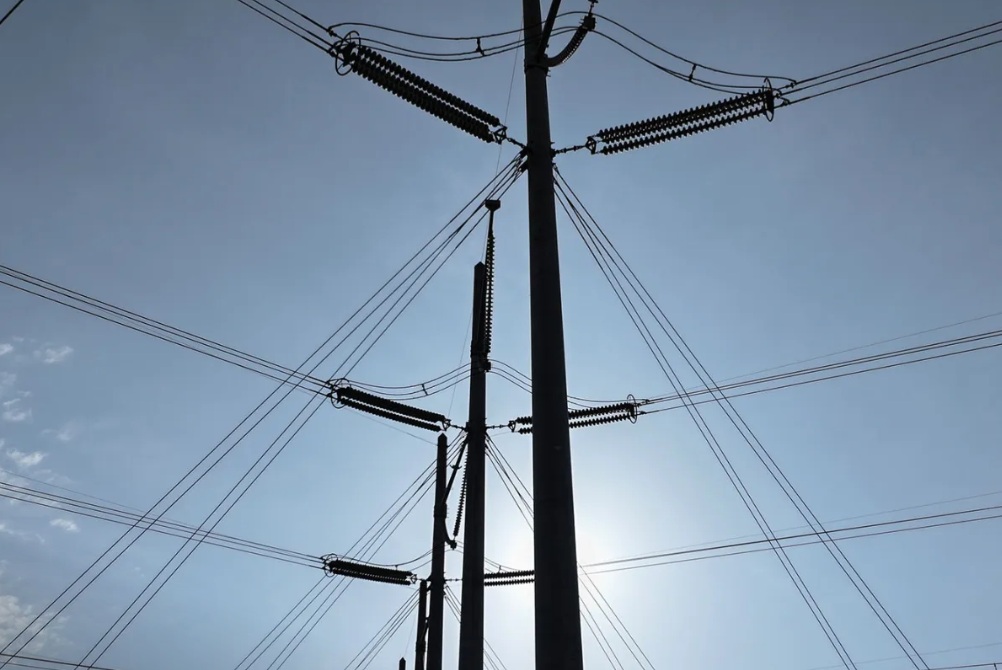
Residents of 49 States and Washington, D.C., Face Increasing Electric and Natural Gas Bills
– American Progress
“Brand new Center for American Progress and Natural Resources Defense Council (NRDC) analysis finds that upward of 107 million electricity customers (65 percent of all U.S. electric utility customers) and more than 46 million natural gas customers (59 percent of all U.S. natural gas utility customers) across 49 states and Washington, D.C., will face increased—or proposals for increased—utility rates by 2027. At least 210 U.S. gas and electric utilities have either already raised rates or proposed higher rates to go into effect within the next two years. For some residents of Massachusetts, Missouri, Connecticut, New York, and Oklahoma, utility bills could increase by at least $35 per month—in one case, up to $60. Collectively, the in-effect and proposed rate increases would raise customers’ electricity and natural gas bills by $71.2 billion and $18.7 billion, respectively, by 2028.”