|
|
|
Happy Friday!
March 27, 2026
|
|
|
|
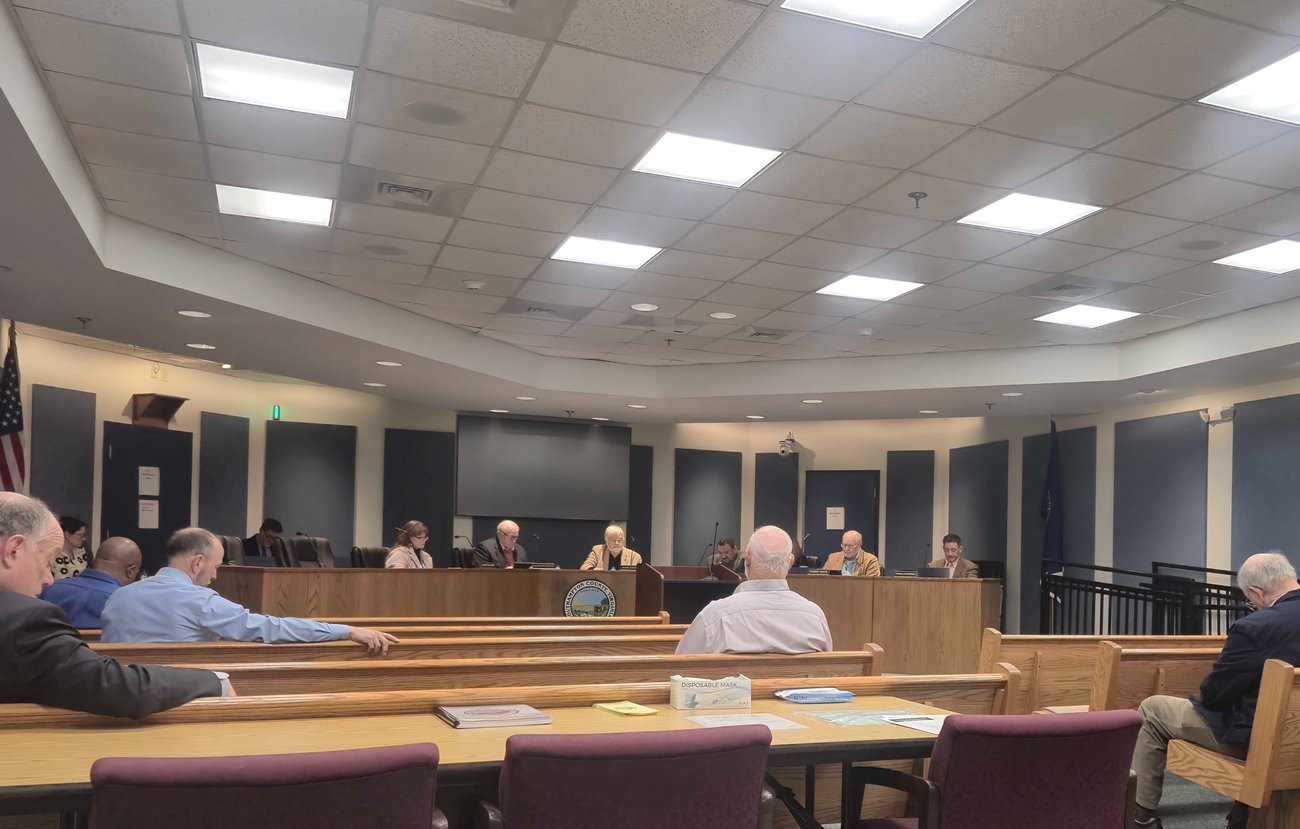
Energy Right was back on the road, from Buckingham to Southampton, where we attended a BOS meeting. We’re looking closely at how the recently voted-on legislation progresses from the General Assembly. From the Commonwealth as a whole, down to individual counties, we hope to see a stronger, more energy independent Virginia than ever before. That’s how you do energy, the Right Way.
|
|
|
|
|
|
New Leadership, New Legislation: Virginia Responds to Energy Demands
|
 |
|
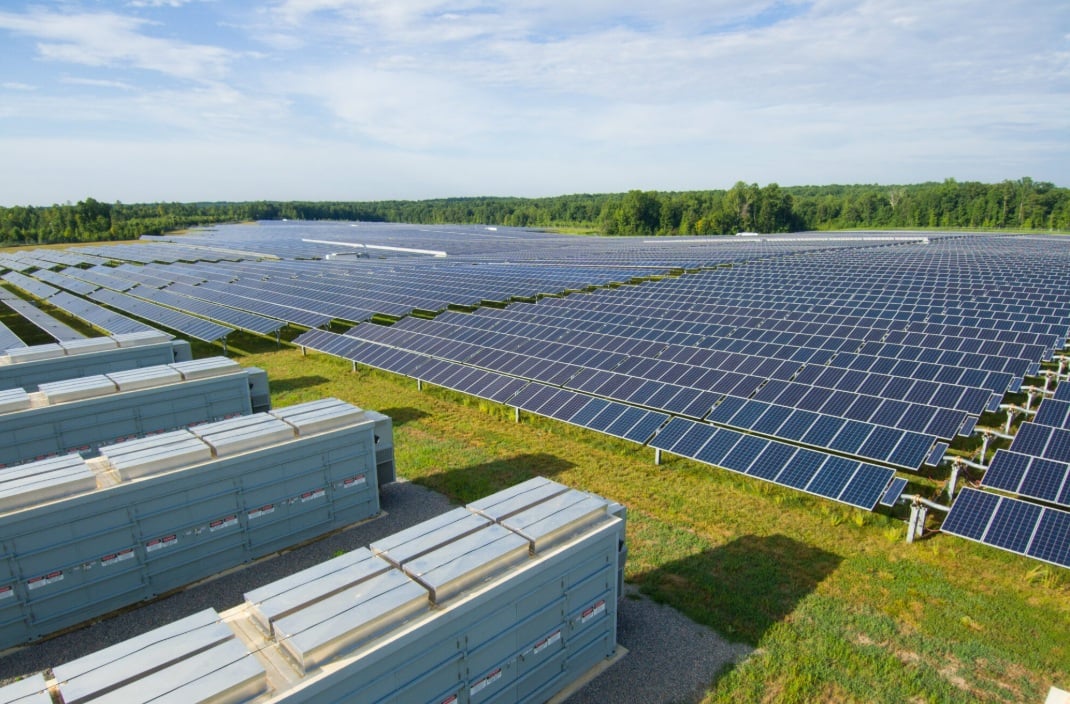
Battery Storage alongside Solar Arrays
|
|
After years of relative inactivity, energy issues are emerging as a central focus in Virginia politics. With more than 7,000 megawatts of solar and battery storage expected to come online in the next few years, lawmakers advanced several bills shaping how the Commonwealth will integrate this new generation. Legislation establishing statewide parameters for solar and storage projects, clarifying battery storage as an accessory use, and creating model local ordinances reflects a growing effort to bring consistency and clarity to project development. These measures now await Governor Abigail Spanberger’s final approval.
At the same time, the administration is signaling a broader commitment to energy policy. Governor Spanberger recently announced the appointment of Josephus Allmond as the Commonwealth’s Chief Energy Officer, a new cabinet-level role focused on affordability and continued deployment of clean energy technologies. Together, these actions point to a recognition that rising demand and evolving infrastructure needs require coordinated, forward-looking solutions.
That urgency is reflected in what Virginians are saying. Our latest statewide poll shows energy affordability is top of mind, with 73% of voters very concerned about their electricity bills and another 20% somewhat concerned. The data comes at a time when many households are experiencing higher costs, reinforcing how closely energy policy is tied to everyday economic pressures.
As demand continues to grow—driven by economic expansion, population increases, and large energy users—pressure on the grid is increasing as well. Expanding generation while maintaining reliability will be key to stabilizing costs over time. An all-of-the-above approach, supported by coordination across local, state, and federal levels, offers a path forward to meet demand, strengthen energy security, and ensure affordability remains a priority for Virginia families and businesses.
|
|
|
|
|
|
What We’re Thinking
|
 |
|
Unfinished Budget Leaves Virginia’s Data Center Strategy in Question
|
 |
|
|
|
Virginia’s 2026 legislative session ended without a finalized state budget, with one of the major sticking points being disagreements over tax policy tied to the state’s data center industry. The dispute centers (no pun intended) on Virginia’s sales and use tax exemption for data center equipment, an incentive that has played a significant role in attracting large-scale investment to the state. Lawmakers are also debating whether to implement a new consumption tax on data centers to account for their electricity use, with some arguing it could ensure the industry pays its fair share for energy consumption.
In the budget debate, Democratic leaders in the two chambers have taken different approaches. In the Senate, L. Louise Lucas, chair of the Senate Finance and Appropriations Committee, has pushed to eliminate the tax exemption earlier than planned in order to generate additional state revenue. Meanwhile, the House of Delegates, led in budget negotiations by Luke Torian, chair of the House Appropriations Committee, and Don Scott, Speaker of the House, has favored keeping the incentive in place while exploring potential conditions tied to issues such as energy procurement or environmental standards.
Abigail Spanberger has also urged caution about eliminating the incentive outright, warning that abrupt changes could undermine Virginia’s competitive advantage in attracting future data center investment. Speaking to reporters on Capitol grounds, Spanberger addressed the consumption tax idea, stating, “There’s discussion potentially of a consumption tax. If the issue is how much energy these data centers are using, should there be a consumption tax to make sure they are quite literally paying their fair share when it comes to energy consumption?”
Because the General Assembly did not pass a budget during the regular session, these policy questions remain unresolved for now. Virginia will continue operating under the existing biennial budget until lawmakers return for a special session to complete the process. The outcome of that debate could play an important role in shaping both the pace of future data center development and the scale of electricity demand growth facing the state’s power grid.
|
|
|
|
|
|
|
|
|
|
|
|
|
|
This week the Energy Right team was in Buckingham, Gloucester, King William, and Southampton counties!
|
|
|
|
|
|
|
|
|
|
This Tuesday, the Energy Right team attended a BOS meeting in Southampton county. We were able to talk to staff before the meeting started to discuss the new energy legislation, as well as the proposed committee by the Planning Commission earlier in the month. Energy Right aims to be a resource and help disseminate policy information to counties across the Commonwealth.
|
|
|
|
|
|
|
|
NEXT WEEK
We’ll be heading out to Gloucester, Lunenburg, Spotsylvania and Suffolk.
|
|
|
|
|
|
|
|
|
|
Governor Abigail Spanberger has appointed Josephus Allmond as Virginia’s first chief energy officer, a new cabinet-level role focused on addressing rising energy costs and guiding the Commonwealth’s evolving energy strategy. Allmond, a former attorney with the Southern Environmental Law Center and member of the Commission on Electric Utility Regulation, brings experience in utility policy and regulatory proceedings.
In the role, Allmond will work with state agencies, utilities, and regional grid operator PJM to improve affordability, reliability, and energy planning as demand continues to grow, particularly from data centers. His appointment comes as lawmakers advance measures on efficiency, cost allocation, and clean energy, while broader debates over data center policy and the state budget remain unresolved.
|
|
|
|
|