|
|
|
Happy Friday!
January 30th, 2026
|
|
|
|
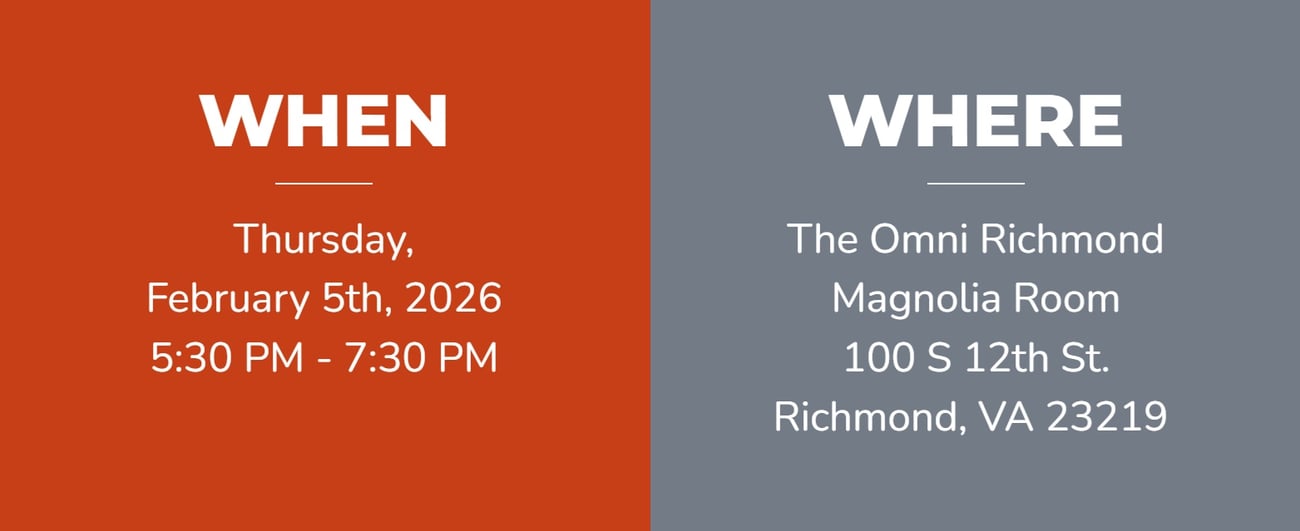
The Energy Right stayed mostly off the roads this week (as we hope you did too) but continued our conversations and correspondence surrounding the GA assembly and are gearing up for the 3rd Annual Legislative Reception, which we are proud to be hosting February 5th.
For more details and to RSVP, click here.
|
 |
|
|
|
|
|
|
|
When the Cold Sets in, Reliability Matters Most
|
 |
|
|
|
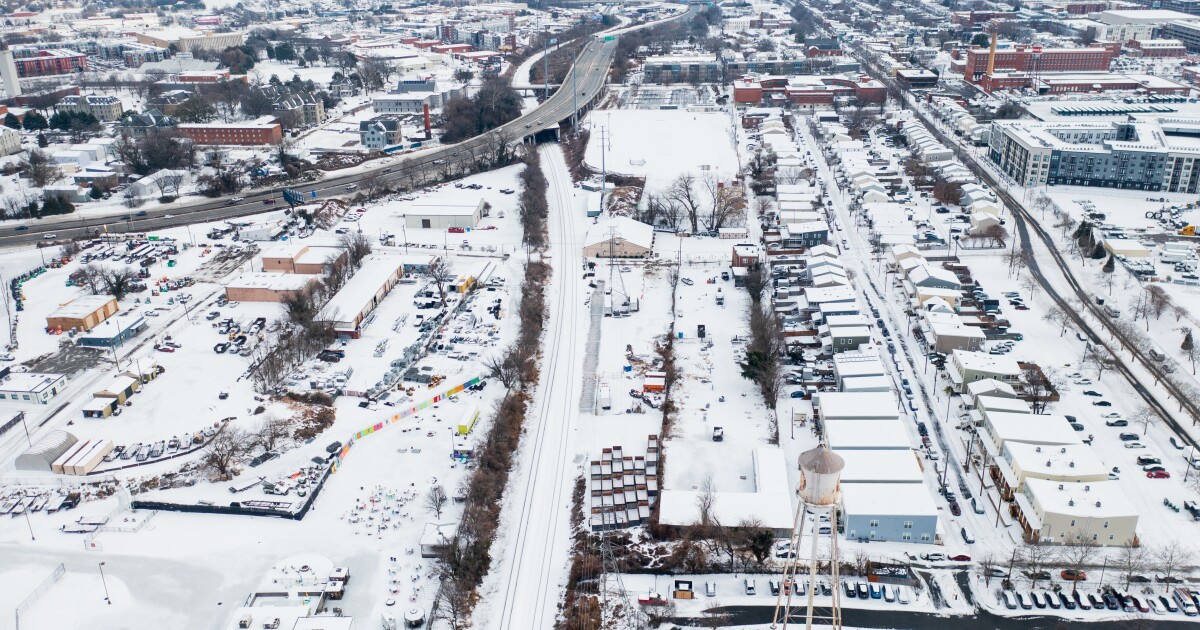
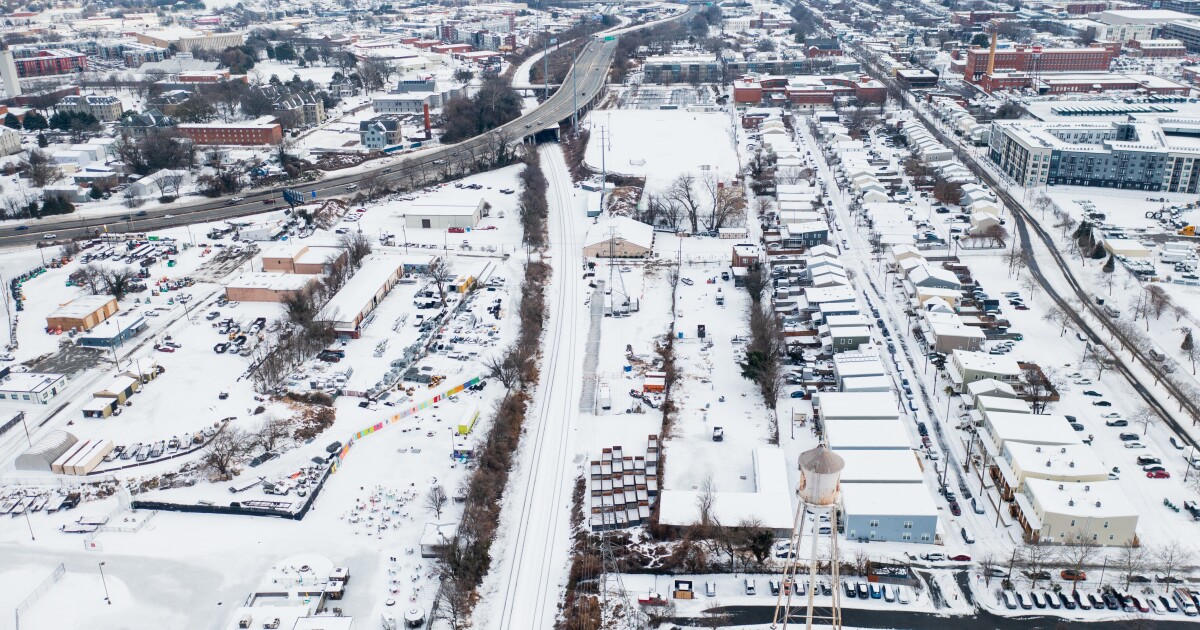
When winter storms hit Virginia, the debate over energy reliability becomes all the more tangible. These storms increase the stress on our energy infrastructure, and test how reliable our grid is. In an all-of-the-above strategy, each energy component is vital to keeping the lights on during these emergencies, and renewable energy is one of the many important roles in grid resilience.
Wind and solar have the advantage of not relying on fuel deliveries. They aren’t exposed to frozen gas lines, rail disruptions, or fuel supply constraints that can tighten during extreme cold. When temperatures drop and natural gas demand rises for home heating, power plants can face supply competition. Renewable facilities avoid that vulnerability because their fuel source is on site and continuous. As long as the wind blows or the sun shines, electricity is produced—and light refraction in snowy conditions can actually increase the output of solar panels!
The cold temperature itself can also improve solar performance. Panels operate more efficiently in lower temperatures, and snow often slides off tilted arrays once the sun returns. Wind turbines operating in winter climates are designed for cold conditions, and in many cases continue producing through storms when other resources experience mechanical or fuel related constraints.
Renewables are not a standalone solution for multi day cold events. Solar output drops at night, wind output varies with weather patterns, and battery storage, while expanding rapidly, is currently designed to handle peak demand over hours rather than days. Grid reliability still depends on a balanced portfolio that includes dispatchable generation, nuclear energy, transmission capacity, and storage.
The lesson from winter weather is not that one resource type succeeds while another fails. It’s that diversification reduces risk. A grid that includes renewables lowers exposure to fuel supply disruptions and price spikes during peak demand. As storage capacity grows and grid planning improves, that resilience only increases. Severe weather reveals weaknesses—but it also reveals strengths. Renewable energy’s ability to generate without waiting on fuel deliveries is one of those strengths, and one the Commonwealth should continue to capitalize on for future demands.
|
|
|
|
What We’re Thinking
Local Control, Not Mandates, Is the Key to Better Solar and Storage
|
|
|
|
|
Virginia’s farmers face real challenges, including volatile weather, labor shortages, rising costs, and constant developmental pressures. Solar and battery energy storage can be one of many useful tools for some landowners, providing stable income and helping keep the land in agricultural use. Energy Right supports renewable energy and energy storage when they are pursued voluntarily and responsibly. But the growing debate in Richmond during the 2026 General Assembly Session has not really been about whether these technologies can benefit farmers; the main question posed is who gets to decide whose land is used?
Increasingly, Democratic lawmakers and advocacy groups are expressing frustration with counties that limit or deny large solar and battery storage projects and are responding by pushing state-level interventions. Proposals to override local zoning, create appeal pathways to state agencies, or exempt certain projects from local permitting represent a shift away from local decision-making toward top-down mandates. That approach undermines the long-standing principle that land-use decisions are best made by the communities that live with the benefits or consequences.
Virginia’s counties are not interchangeable. Grid capacity, farmland quality, environmental constraints, emergency services, and community character vary widely across the Commonwealth. Solar and battery storage facilities can have meaningful local impacts that deserve careful review. In practice, projects that are shaped through local input rather than state mandates tend to be better sited, better designed, and more widely accepted. Those projects are also more likely to deliver tangible benefits to host communities, including tax revenue, infrastructure investment, and long-term economic stability.
Farmers don’t need mandates from Richmond. They need options. Solar and battery storage should compete on their merits, not be advanced through coercive policy that sidelines local voices. The path forward is clear. Support renewable energy and energy storage through clear standards, transparency, and respect for property rights while preserving local control. Clean energy and local governance are not mutually exclusive, but sacrificing one to advance the other is a mistake Virginia should avoid.
|
|
|
|
|
|
|
|
|
|
|
|
|
|
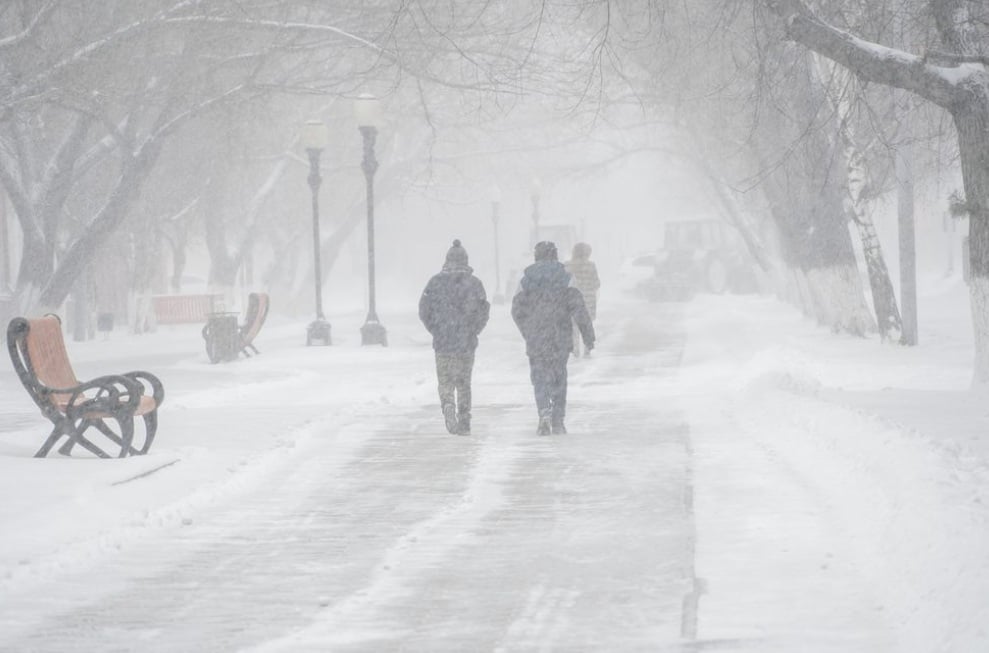
This week was a WFH for the team as icy conditions through the Commonwealth pushed back much of weeks plans, we hope you all stayed warm and safe as well!
|
|
|
|
|
|
|
|
|
|
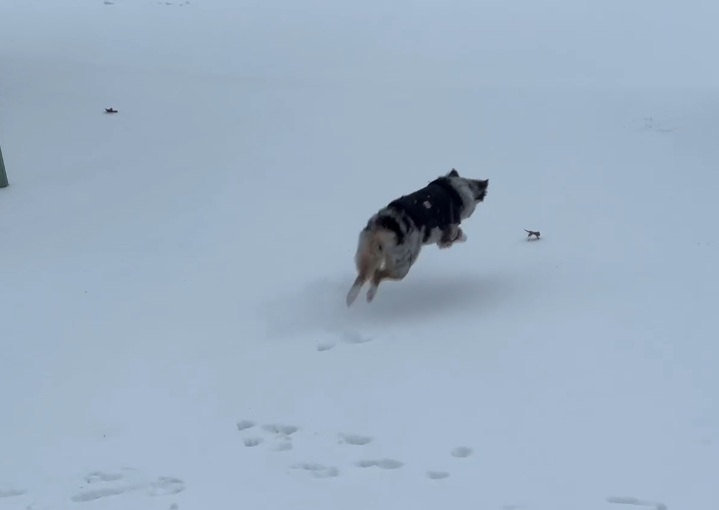
Plenty of snow all around, and one of our team member’s dogs has fun chasing a leaf—it’s the simple pleasures in life!
|
|
|
|
|
|
|
|
|
|
|
|
|
|
NEXT WEEK
We’ll be heading out to Culpepper, Hanover, Sussex, and Richmond City!
|
|
|
|
|
|
|
|
|
|
During winter storms, electricity demand spikes as households turn up the heat, and as utility companies work to keep their systems running. Extreme cold that lasts longer than usual creates a dangerous situation for power grid reliability
NREL’s report shows that shortening the distance between supply and demand can help limit cascading failures when parts of the grid are under stress. These systems are not outage-proof, researchers note, but they can help contain disruptions rather than allowing them to spread across entire regions.
Snow-covered ground can also help. HBOWA explains that snow reflects a large share of available sunlight back upward—sometimes as much as 80%—increasing the amount of light that reaches solar panels from below. That reflected light can partially offset shorter daylight hours during winter storms, especially when skies clear after snowfall.
|
|
|
|
|
|
|