|
|
|
Happy Friday!
December 12, 2025
|
|
|
|
Another snowy week here in Virginia, the Energy Right team stayed off the roads for the most part, but
we still made it out to Chesterfield, Prince Edward, and Spotsylvania counties! The Sunshine Tour was cold but beautiful, and we were happy to still have it—a special thanks to everyone that came, and we hope the rest of you enjoy the pictures.
|
|
|
|
|
|
|
|
Final Sunshine Stop on a Snowy Day
|
 |
|
|
|
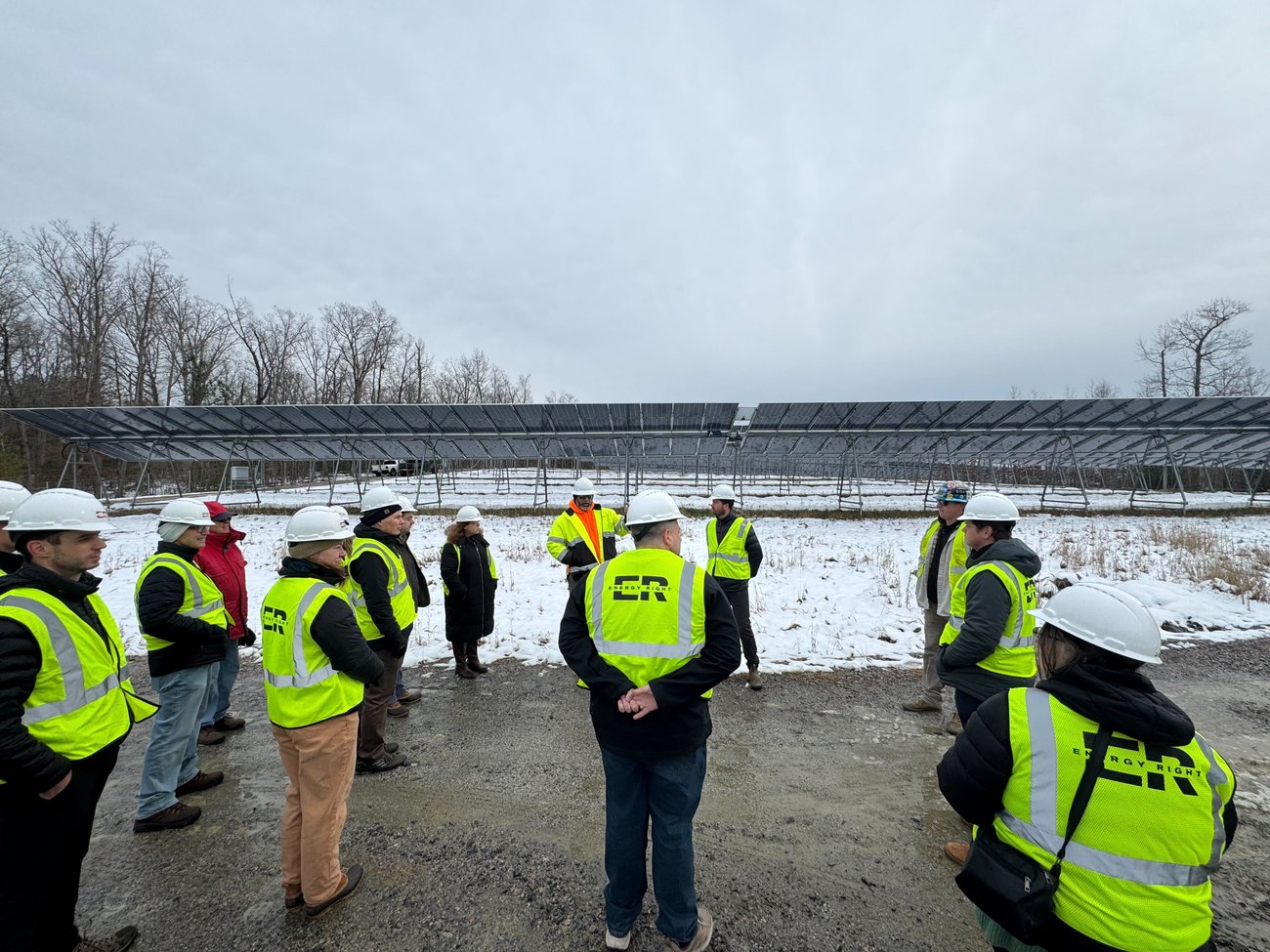
Energy Right hosted its final Sunshine Tour of 2025 this week in the snow at the Moseley Herman Solar facility in Chesterfield County. Our final stop of the year was joined by Delegates, Supervisors, and Planning Commissioners to see up close what a solar project looks like and what it contributes to the surrounding area and community. Seeing firsthand how project guidelines look as a finished project can be a huge benefit in better understanding restrictions, setbacks, and ordinances.
The Moseley Herman Solar project is fully constructed but has not been energized yet. The project is fully shielded from view due to natural vegetation surrounding the premise. Even with five inches of snow on the ground just a couple days prior to the tour, the panels were cleared of snow due to advanced tracking technology that allows the panels to stow correctly to not collect snow on top of them. This, in conjunction with the reflective properties of a snow-covered field, can actually increase solar output!
Our team started the Sunshine Tours to give local and state leaders an up-close look at solar projects and a chance to see the inner workings of how these facilities operate. It’s often hard for decision-makers to visit energy sites or speak directly with experts outside the boardroom. We wanted to change that, and we are glad we did!
A special thank-you goes to Nexamp for opening their doors and to every local leader who made the day a success. Together, we’re showing what responsible energy development really looks like—rooted in community, innovation, and long-term benefit.
If you are interested in attending or hosting a stop on the Sunshine Tour, please email us at Blake@energyrightus.org, and we will make it happen! |
|
|
|
|
|
|
|
|
|
Solar, Home Prices, and the Facts Opponents Ignore
|
|
|
|
|
The recent nationwide study published by Virginia Tech this past June offers one of the largest data-driven assessments to date of how utility scale solar affects surrounding property values. Researchers analyzed millions of real estate transactions and thousands of large solar installations. The results show that agricultural and vacant land near solar projects often increases in value, while residential properties within a few miles experience a small and
temporary decline that fades within the span of a few years. The study also found that simply seeing a solar project from a home does not meaningfully affect price. These findings are a strong counterpoint to the frequent claims Energy Right hears at public hearings that solar farms always destroy property values or drive homeowners out of their communities.
While the study provides a clear national picture, it also illustrates how many common anti-solar talking points overlook the larger and more powerful forces that drive real estate markets. Activists here in Virginia constantly argue that solar is the single most important reason property values fall, even in areas already experiencing economic stagnation, population loss, or limited housing demand. In reality, factors like job growth, school quality, interest rates, and regional housing shortages have a far greater influence on sale prices than the presence of a solar project. Claims that solar is uniquely harmful also ignore the role of planning processes, buffers, vegetative screening, and zoning decisions that often limit the visibility and perceived impact of solar sites. These arguments repeat the same assumption that correlation equals causation, even when the broader market tells a very different story.
Local perceptions and misinformation also play a major role in shaping the narrative around solar and property values. Communities that are already skeptical of renewable energy often interpret any negative trend as proof that solar is to blame, which is a classic attribution fallacy. In many cases, infrastructure upgrades, increased tax revenue, or improved land management practices associated with solar development can benefit surrounding areas, although these benefits are rarely acknowledged by opponents. The Virginia Tech study shows that the real estate impacts of solar are small, context dependent, and often overshadowed by much larger economic forces. For local officials and residents, the key takeaway is that property value claims used to oppose solar are often built on selective evidence, incomplete comparisons, and assumptions that do not hold up under careful analysis. |
|
|
|
|
|
|
|
|
|
|
|
Our team went to Chesterfield, Prince Edward, and Spotsylvania counties!
|
|
|
|
|
|
|
 |
|
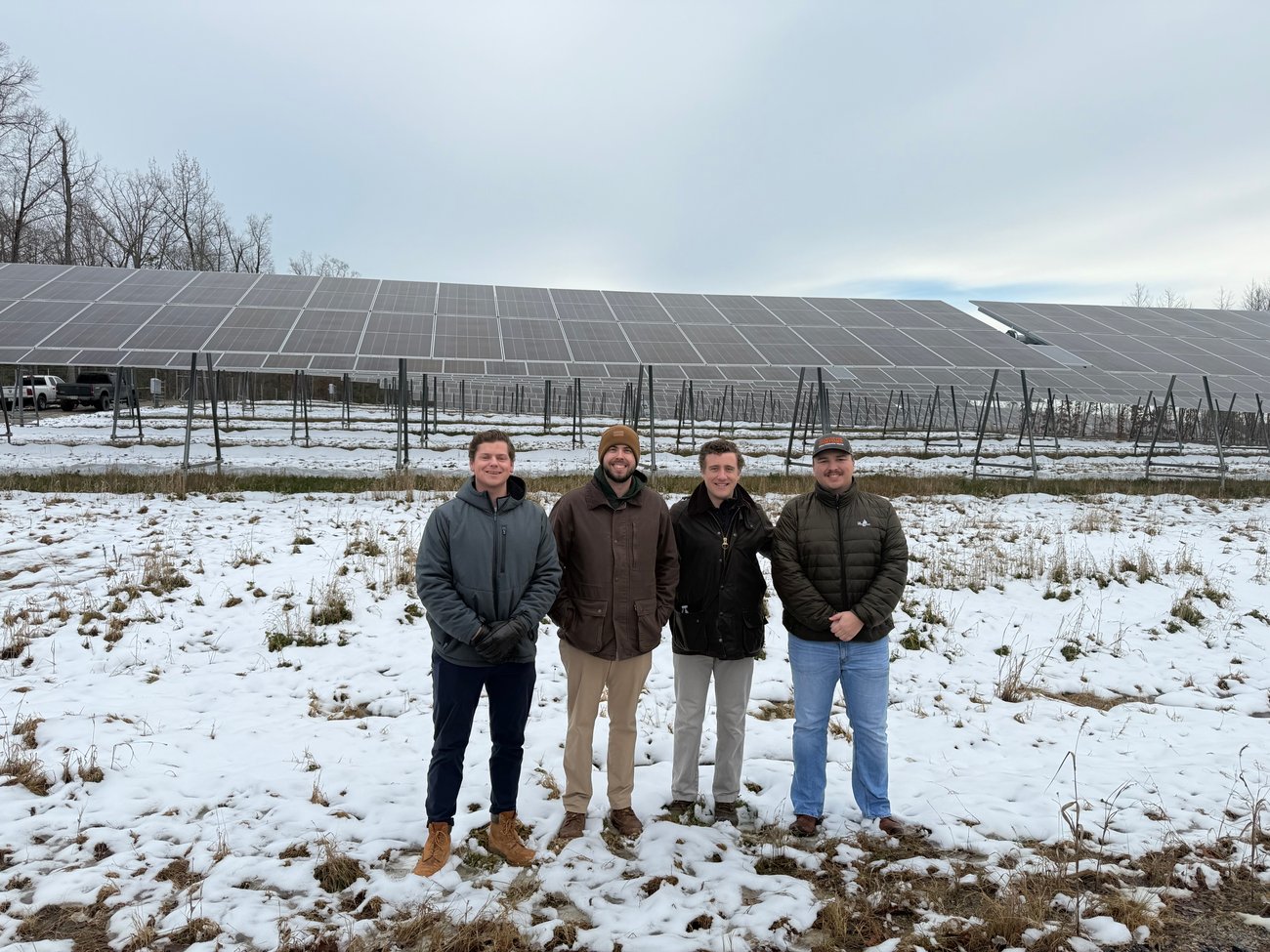
Mosely Herman Solar Facility, Chesterfield County
|
|
|
|
Another picture from our last Sunshine Tour stop of the year, team members Blake, Dylan, Skyler and
Seth are dressed warm for the snowy weather. Hope to see more of you and more solar sites, soon!
|
|
|
|
|
|
|
|
Richmond’s hidden energy crisis: Why thousands are paying more to stay warm (and what can be done about it
– VADogwood
|
|
A new report from the Virginia Community Climate Collaborative shows Richmond faces some of the highest energy burdens in the state, with more than 28,000 households paying an unaffordable share of their income toward utility bills. Aging housing, historic disinvestment, and inefficient systems leave many residents—especially in the East End and Southside—struggling to maintain safe indoor temperatures.
C3 points to weatherization, housing upgrades, and expanded clean-energy programs as key strategies to reduce bills and strengthen household resilience, particularly for renters and low-income families most affected.
|
|
|
|
|
|
|
|
|
|
|
|
Henrico County has approved Dominion Energy’s plan to turn a long-closed Varina landfill into a
16-acre solar farm, generating power for hundreds of homes and supporting Virginia’s carbon-free goals. Unlike recent energy proposals, the project saw no public opposition and follows a growing statewide trend of converting old landfills into cost-saving solar sites.
|
|
|
|
|
|
|