|
|
|
Happy Friday!
December 5th, 2025
|
|
|
|
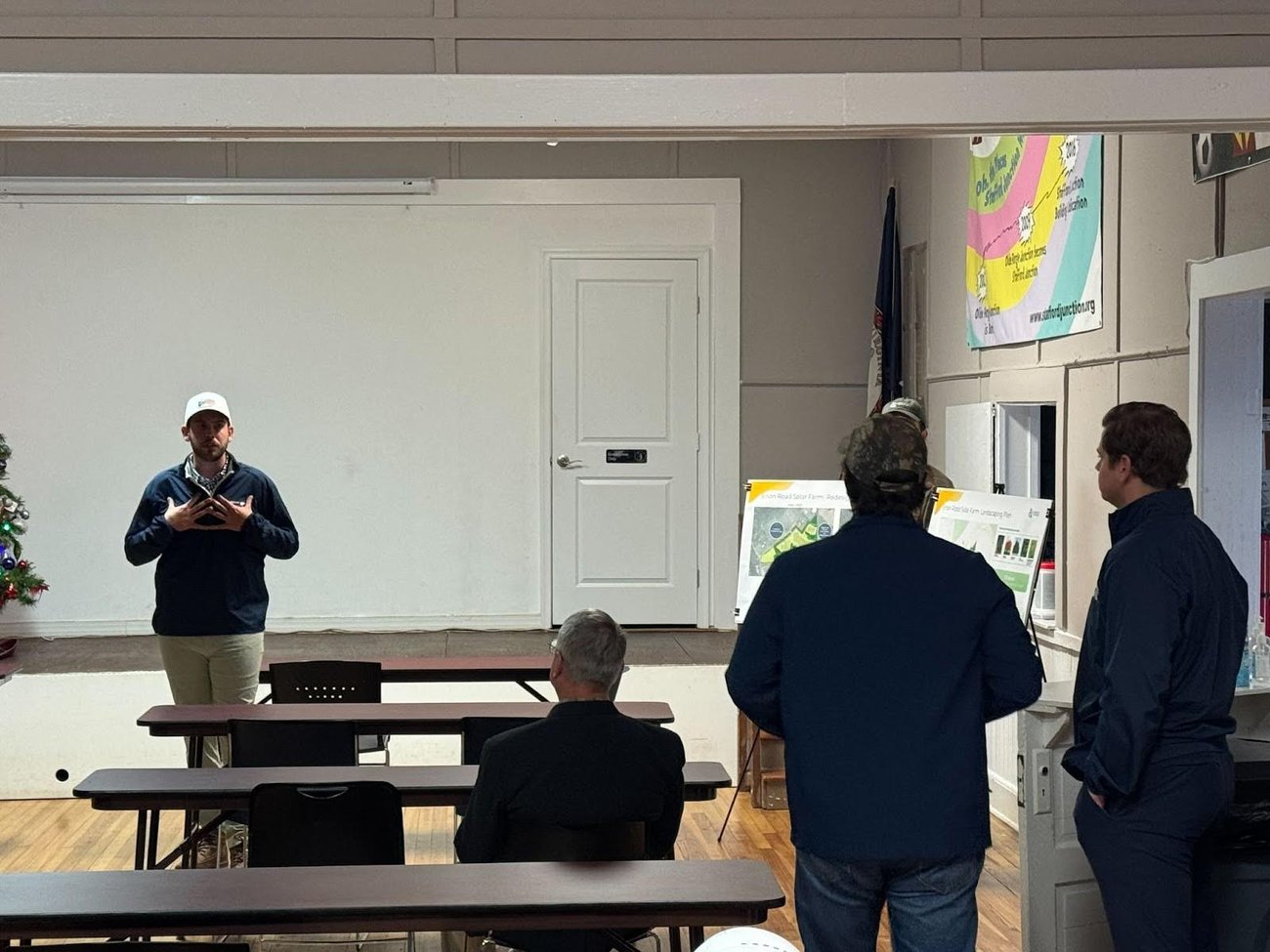
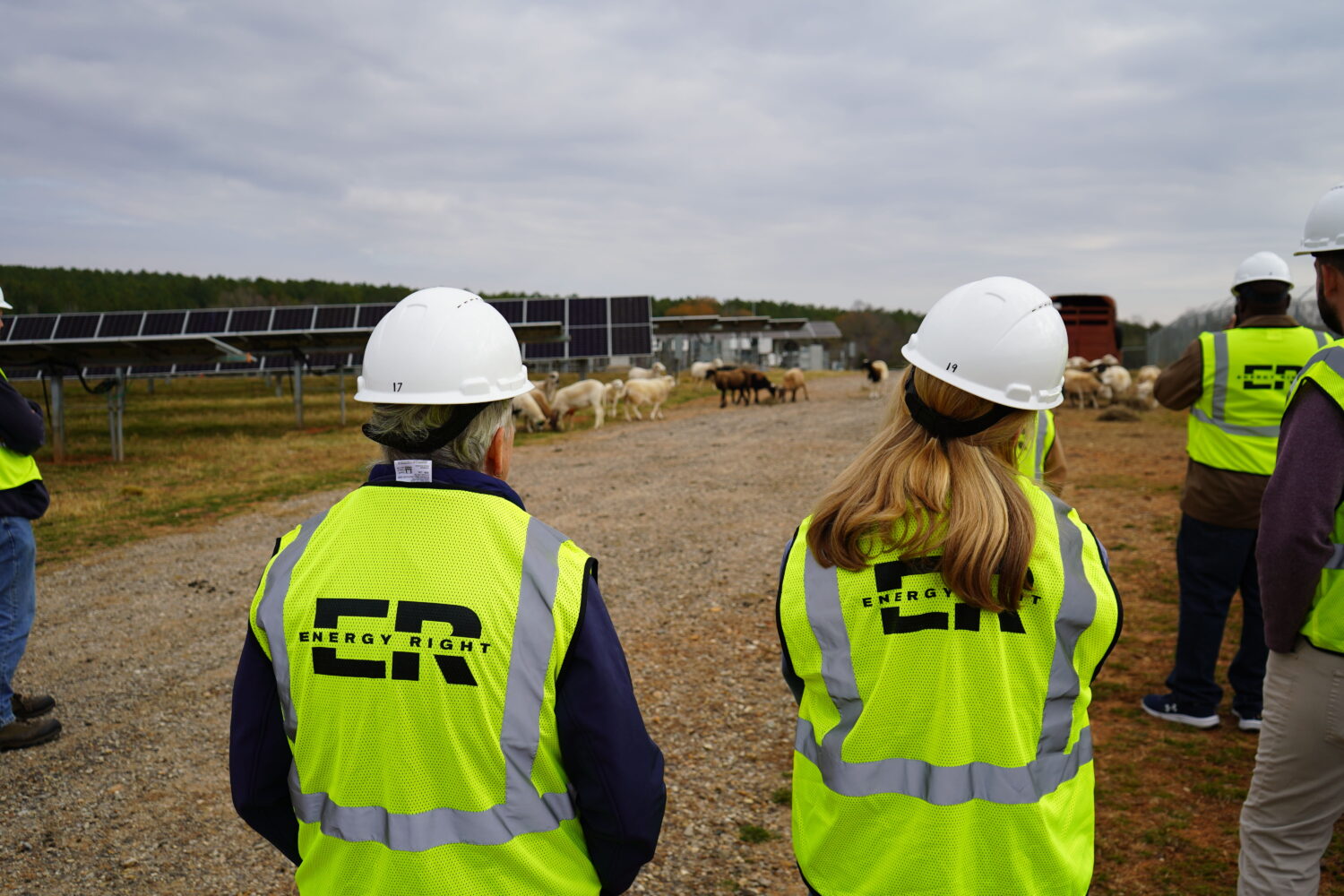
We hope you all had a fantastic Thanksgiving last week and are staying safe and warm through the snowy day today! The Energy Right team is back at it this week, traveling to Stafford County for a Sunshine Tour stop as well as Prince Edward County where we attended a community event focused on the Tobacco Trail Solar Project.
|
|
|
|
|
|
|
|
The PJM Queue & Realizing Timelines
|
 |
|
|
|
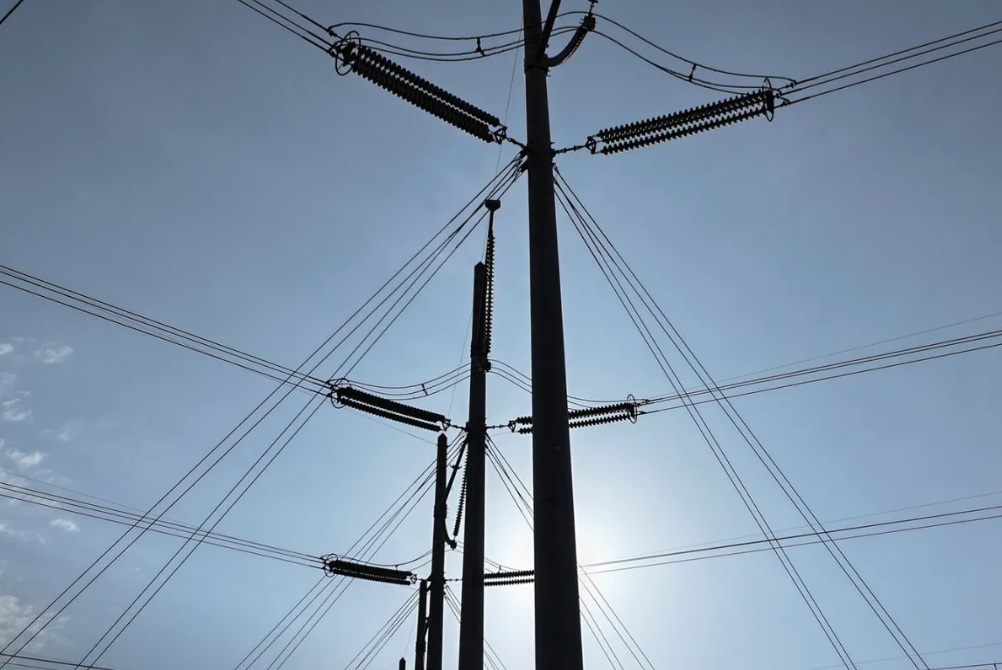
PJM Interconnection, originally known as the Pennsylvania, New Jersey, Maryland Interconnection, is the regional transmission organization that manages the electric grid across thirteen states and the District of Columbia. It’s also the entity responsible for studying and approving how new solar and battery storage projects connect to the grid. In Virginia, that process has become one of the biggest hurdles to clean energy development.
Virginia’s solar and battery storage buildout continues to run into a major obstacle that often goes unseen by the public: the interconnection backlog in PJM. Dozens of projects across the state are approved at the local level but remain stuck in multi-year study cycles before they can move forward. As electricity demand grows in the Commonwealth, especially from data centers, these delays are becoming a bottleneck that slows new generation from reaching the grid, and can in turn impact energy prices for everyone.
Developers in Virginia are facing high uncertainty around upgrade costs that can be assigned late in the PJM process. These costs often reach tens of millions of dollars and can make smaller projects financially impossible, even after years of planning and community engagement. This is one reason why localities sometimes approve projects that never break ground. The paperwork and permitting can be complete, but the grid capacity simply is not available to handle the new power.
Our Energy Right team hears about these challenges constantly when attending planning commission and board of supervisors meetings. Developers regularly explain that the project being discussed has already spent years in the PJM queue. In some cases it has been four or five years before they even receive clarity on interconnection feasibility and upgrade requirements. By the time a project reaches a public hearing, the developer has often invested significant time and resources without any guarantee that the project can ultimately connect to the grid.
These long wait times and unpredictable costs are creating broader consequences for Virginia’s clean energy goals. Addressing the PJM backlog and improving the interconnection process will be essential if Virginia hopes to keep pace with rising electricity demand and remain a place where clean energy projects can move from the drawing board to the ground.
|
|
|
|
|
|
|
|
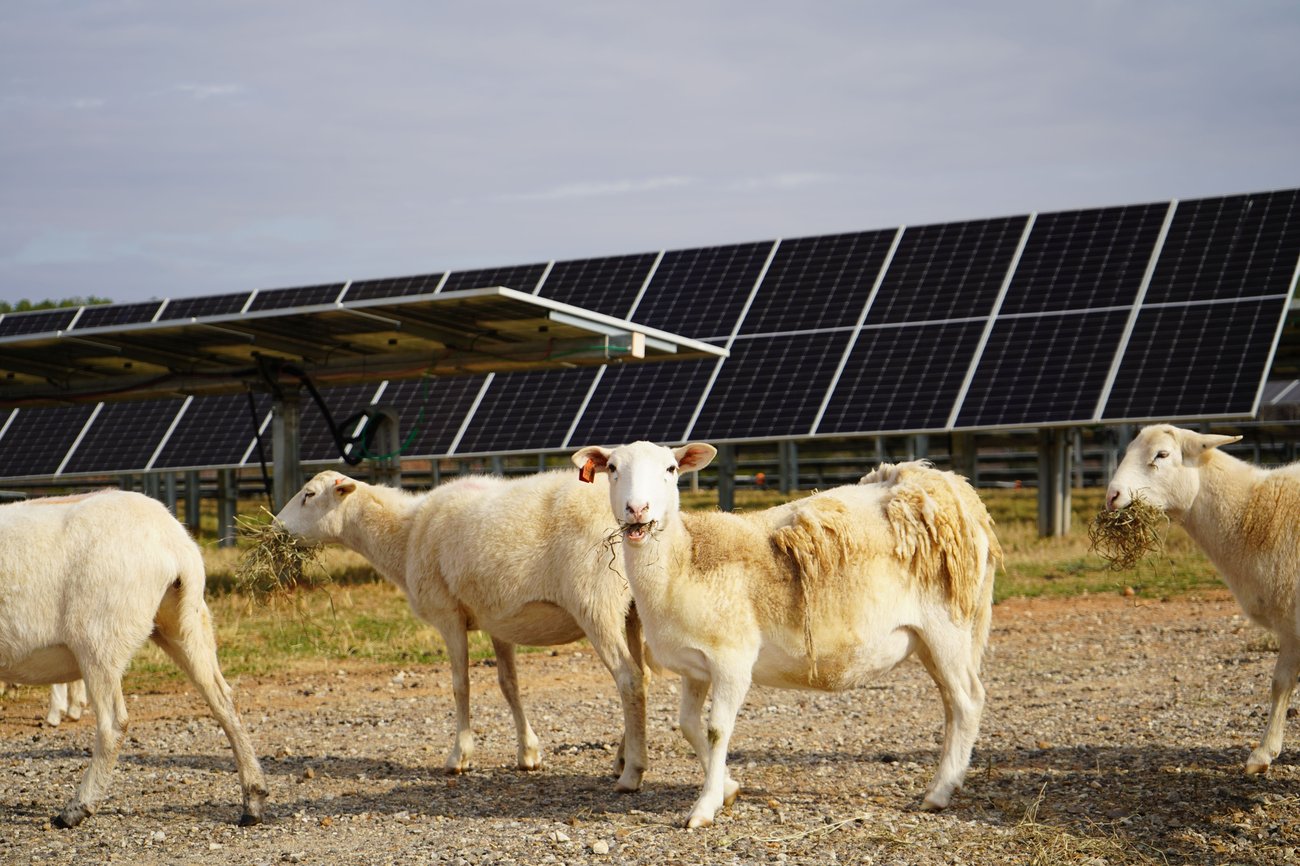
Sheep of the Week
|
|
|
 |
|
|
|
These sheep couldn’t be happier at the Ault Family Farm, where there’s plenty of feed, sun, and acreage to roam!
|
|
|
|
Follow Us
|
|
|
|
|
|
|
|
|
|
If Seeing is Believing—Come and See for Yourself!
|
|
|
|
|
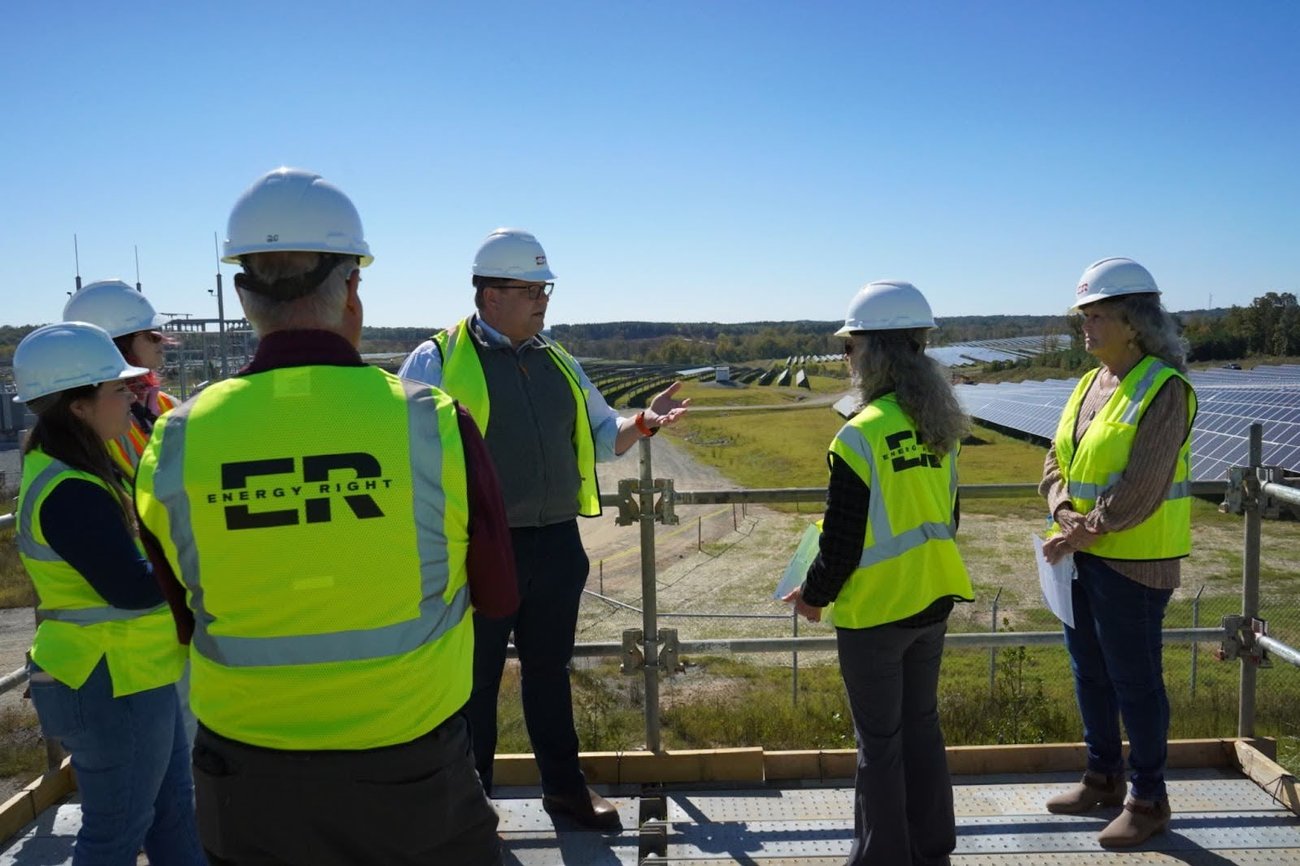
If local and state elected officials want to make informed decisions about the future of energy, they should aim to see solar and clean-energy projects firsthand. Site visits replace hearsay and offer a clear view of what these facilities look like, how they function, and how thoughtfully they’re integrated into local communities. Some things, you just have to see for yourself.
Clean-energy projects don’t come quickly—they take years of studies, permitting, community outreach, and refinement before a single panel is installed. When officials visit these sites, they gain insight into the extensive work developers and local stakeholders invest to ensure projects are well-sited, responsibly built, and carefully maintained. This firsthand exposure helps leaders appreciate the balance between economic development, land stewardship, and community priorities.
Energy Right’s Sunshine Tour initiative brings this concept to life. By inviting local and state officials onto active solar and clean-energy sites, the tour helps dispel misinformation and bridge the gap between the unknown, the solar industry, and real-world community impact. The most recent Sunshine Tour stop took place in Stafford County, Virginia, where the home delegate-elect, along with several neighboring delegates and county officials, joined us on site. Their participation shows how valuable these visits are in giving leaders a direct, unfiltered view of how projects operate and how they benefit local communities.
Most importantly, on-site engagement fosters better conversations. Bringing elected leaders to solar fields or clean-energy facilities opens the door to constructive, fact-based dialogue. It replaces speculation and misinformation with practical knowledge. And when leaders can speak from personal experience—not just public comment sessions or online chatter—the discourse becomes more productive, more collaborative, and more reflective of what clean-energy development actually means for their communities.
If you have any interest or questions about the Sunshine Tour, we’d love to hear from you! Contact us directly at skyler@energyrightus.org
|
|
|
|
|
|
|
|
|
|
|
|
Our team went to Lunenburg, Prince Edward, Stafford, and Westmoreland counties this week!
|
|
|
|
|
|
|
|
|
|
Our must recent Sunshine Tour stop—it was a rainy day, but that didn’t stop us from having productive conversations between Energy Right, the solar industry, and the elected officials that represents these communities. A big topic of conversation was the upcoming legislative session, state siting, and an ordinance standards bill possibly making its way through the state legislature.
|
|
|
|
|
|
|
|
Virginia’s solar trends have changed: Approvals are up, denials are down.
– Cardinal News
|
|
Virginia’s solar permitting landscape looks different in 2025. After localities rejected more megawatts than they approved in 2024, new Weldon Cooper Center data show the trend flipped: through September, 2,022 MW approved versus 711 MW denied.
Many rural counties now both approve and reject sizable projects, suggesting targeted siting decisions rather than outright resistance. The piece argues state leaders should factor in this shift as they debate how to meet Virginia’s clean energy goals.
|
|
|
|
|
|
|
|
|
|
NEXT WEEK
We’ll be in Chesterfield, King George, Spotsylvania, and Stafford!
|
|
|
|
|
|
|
|
|
|
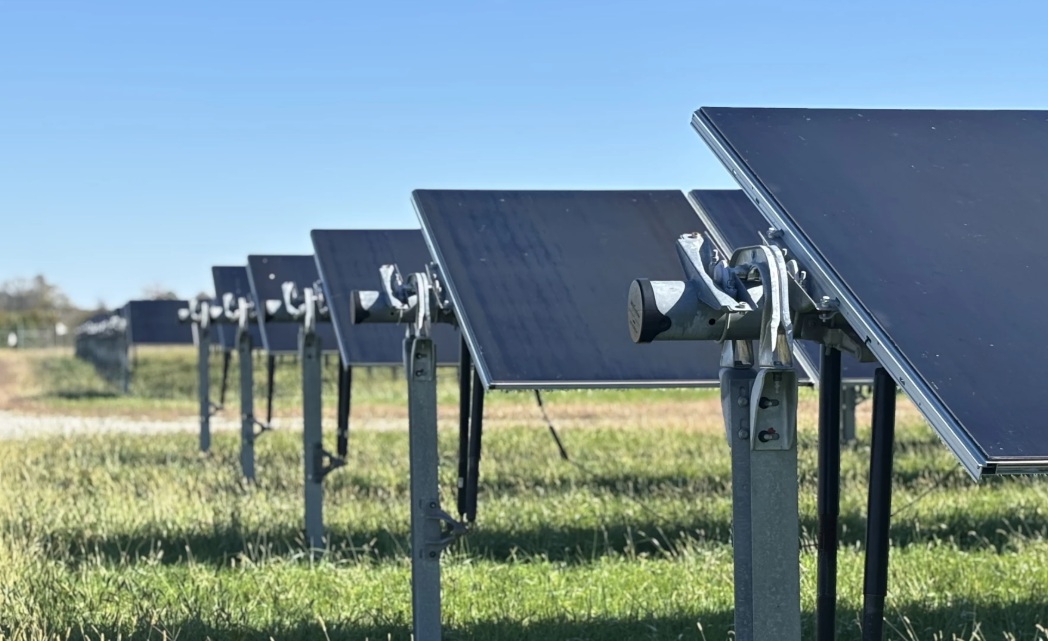
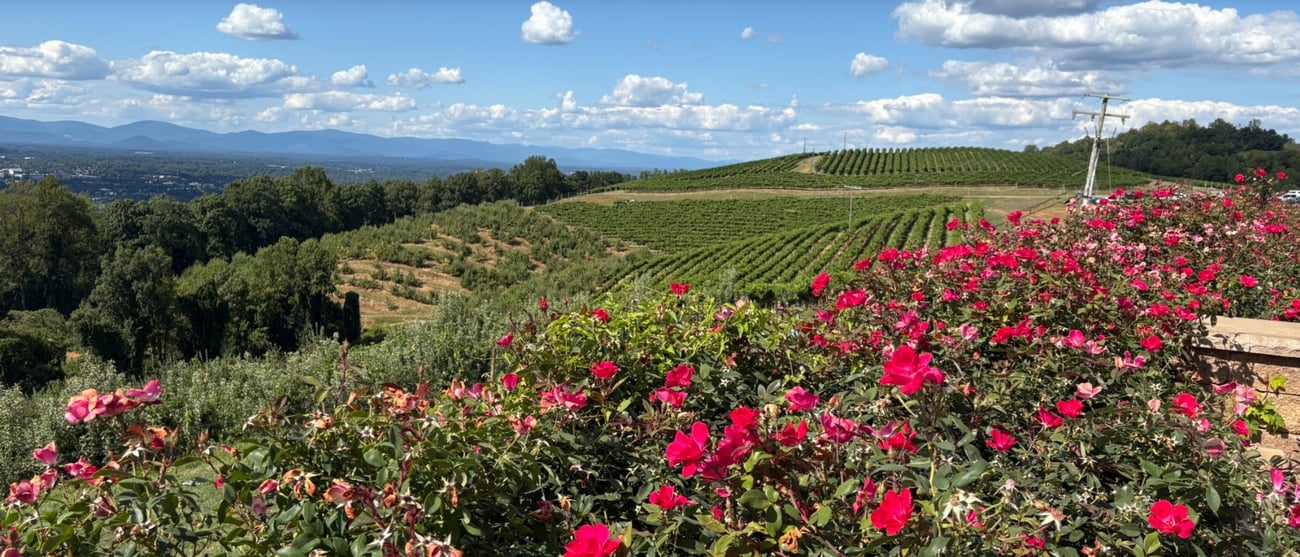
Carter Mountain Orchard in Charlottesville is home to 2,823 solar panels which now power a beloved apple-picking destination. Installed in 2019, the nearly 1-MW system helps grow and process 1.4 million apples a year, plus ice cream, fudge, peaches, and millions of donuts, showing how farms can pair working land with on-site clean energy and even explore agrivoltaic models that keep fields productive.
|
|
|
|
|
|
|