|
|
|
Happy Friday!
October 17, 2025
|
|
|
|
This week, the Energy Right team visited with half a dozen counties this week as well as going to the Taste of Brunswick fest! We want to show how clean energy can be done, the Right Way.
|
|
|
|
|
|
|
|
Clean Energy Work, in Full Force
|
 |
|
|
|
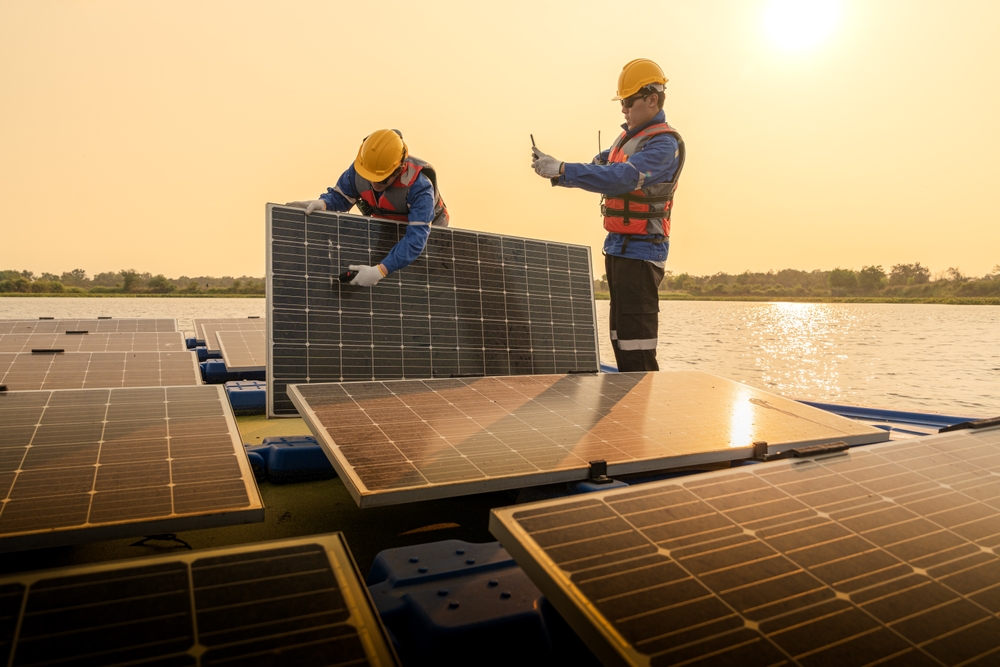
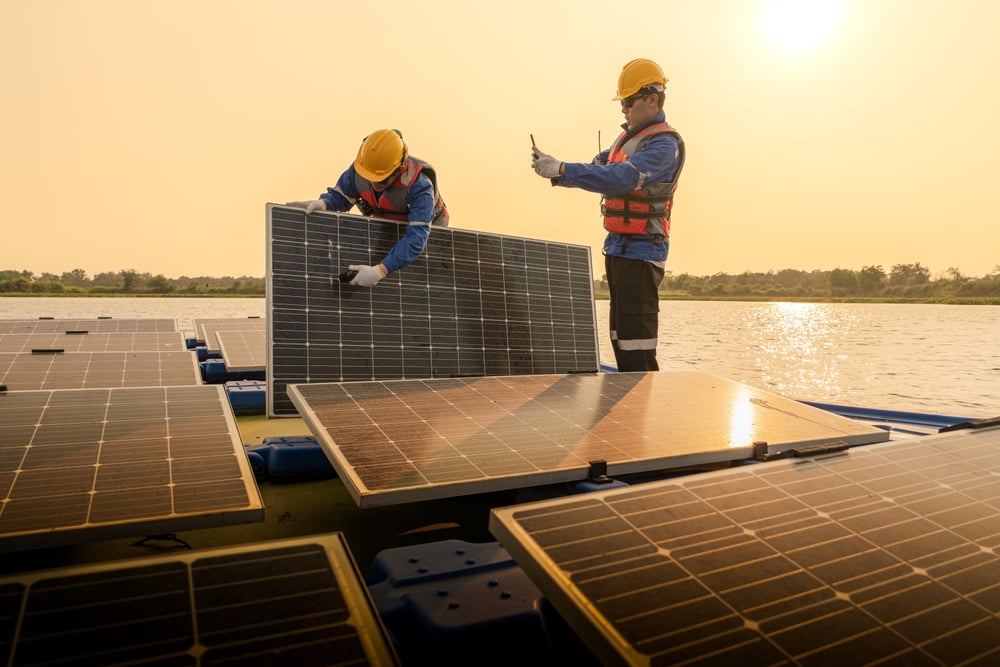
Recent data noted in George Mason University’s 2025 Virginia Energy Report shows that solar energy remains one of Virginia’s fastest-growing job sectors. According to the data referenced in their report, more than 5,000 Virginians now work in the solar industry, making it the largest employer within the state’s electricity sector. These jobs span installation, maintenance, manufacturing, and project development, providing stable, skilled work across both rural and urban communities. At the same time, solar growth has helped diversify the state’s energy workforce as coal employment has declined by nearly 70% since 2010, representing economic opportunity for areas once reliant on traditional energy jobs.
The report also notes that energy efficiency and clean energy technologies together account for about 40 percent of Virginia’s total energy workforce, contributing roughly $3.8 billion in economic activity to the state’s GDP. By supporting solar and complementary technologies, Virginia is building a more resilient and locally driven economy rooted in innovation, skilled labor, and private investment.
As new energy development continues to grow and expand, new projects bring added value to host communities through increased local tax revenue, small business activity, and partnerships with schools and training programs. Ensuring support for new energy projects of all types ensures that Virginia’s energy future remains economically strong and increasingly self-sufficient, creating opportunities that reach well beyond the power grid.
|
|
|
|
|
|
|
|
From the Field
|
|
|
 |
|
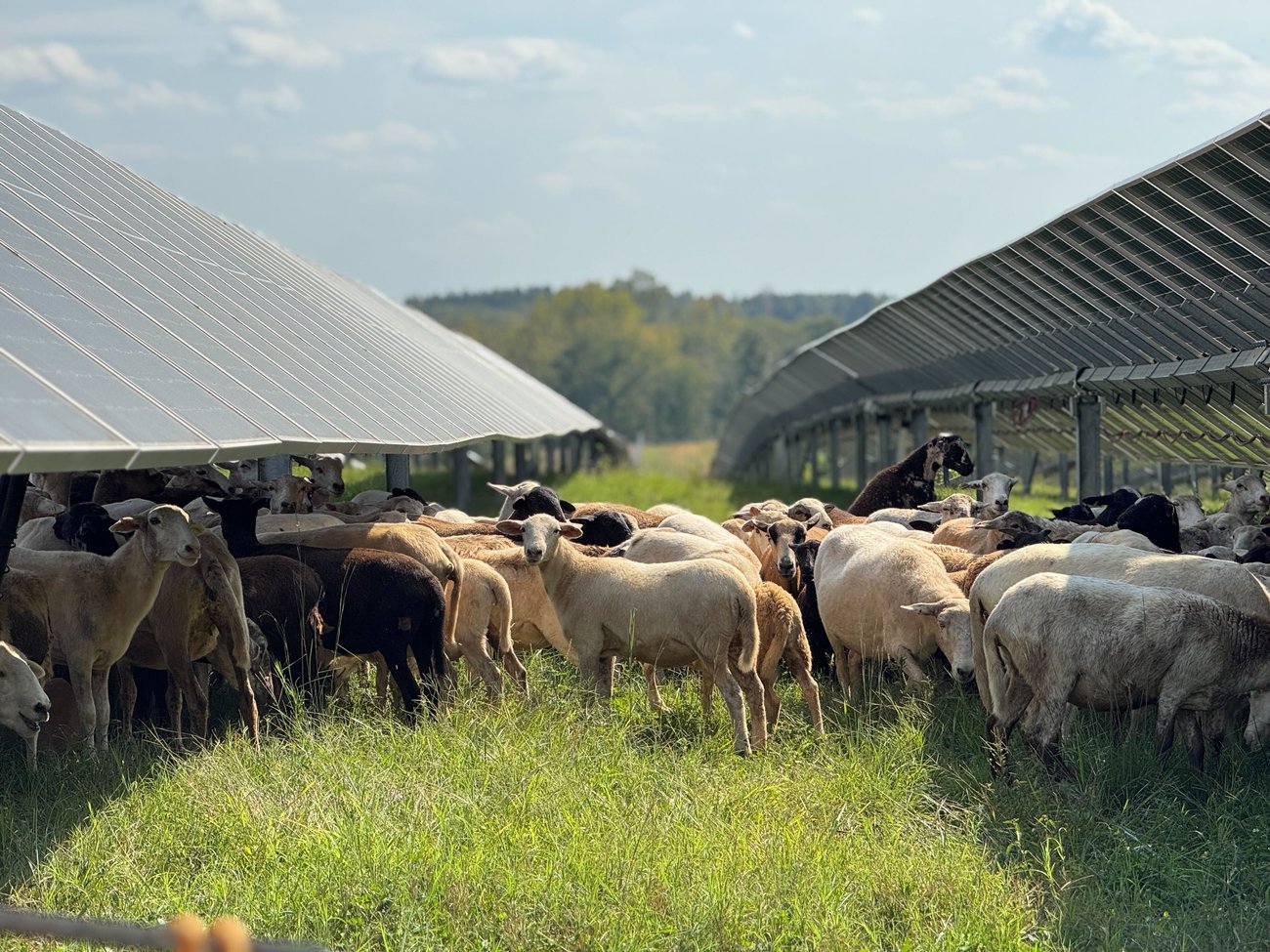
A modern pastoral scene of sheep grazing alongside solar panels, Crystal Hill Solar Site
|
|
|
|
|
|
Follow Us
|
|
|
|
|
|
|
|
|
|
Properties of Solar—Value & Planning
|
|
|
|
|
A Virginia Tech study done this year examined nearly nine million property sales across the country found that large-scale solar projects have mixed but generally modest effects on nearby property values. According to the research, agricultural or vacant land within two miles of a solar farm saw an average increase in value of about 19%, while residential properties within three miles saw a small decline, roughly 4 to 5 percent, that tends to diminish over time. Homes on larger lots experienced almost no measurable impact, and the study even found that visibility of panels did not significantly affect property values.
However, some of the study’s conclusions deserve closer scrutiny. Because the research aggregates data from across the U.S., it flattens local nuances, particularly differences in land use, topography, and zoning ordinances. Solar projects are not randomly distributed; developers tend to site them in areas with flat terrain, existing transmission access, and accommodating local regulations. That means much of the “property value change” captured in the study could reflect preexisting zoning patterns or speculative behavior, rather than the intrinsic presence of a solar farm.
At Energy Right, our team hears this study referenced frequently by opponents of solar development, often as a pressure point focusing on the detriments of solar. That misinterpretation of the data can further bias communities who would otherwise benefit from the actual statistics. The reality is that zoning plays a major role in shaping outcomes. Local setback requirements, buffering rules, and screening standards can reduce visibility, noise, and perceived nuisance, all of which help stabilize home values near solar facilities. Conversely, looser or ambiguous zoning policies can amplify concerns and feed perception-driven stigma that temporarily suppresses nearby home prices. In contrast, agricultural or rural parcels may see value increases precisely because zoning allows for future solar leasing, driving speculative demand. |
|
|
 |
|
a
|
|
|
|
|
|
|
|
|
|
Our team went to Botetourt, Franklin, Richmond, Westmoreland, and Wythe counties!
|
|
|
|
|
|
|
 |
|
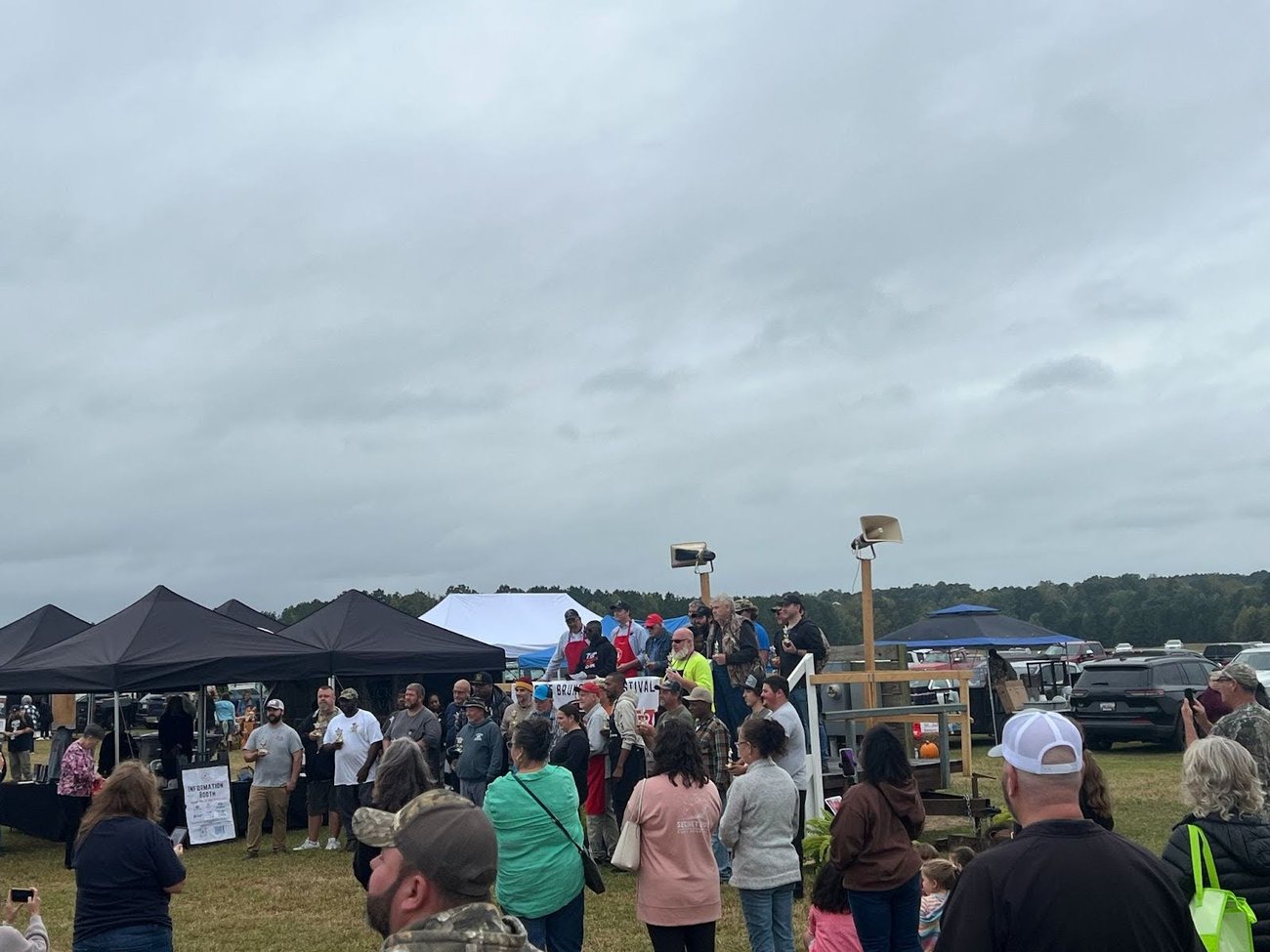
Taste of Brunswick Festival
|
|
|
|
The Energy Right team attended the Taste of Brunswick festival this weekend—it was great to connect with so many community members about the future of energy in the county. Congrats to everyone who participated in the Brunswick Stew competition!
|
|
|
|
|
|
|
|
Can farmland thrive with solar? This Virginia nonprofit is finding out.
– Virginia Mercury
|
|
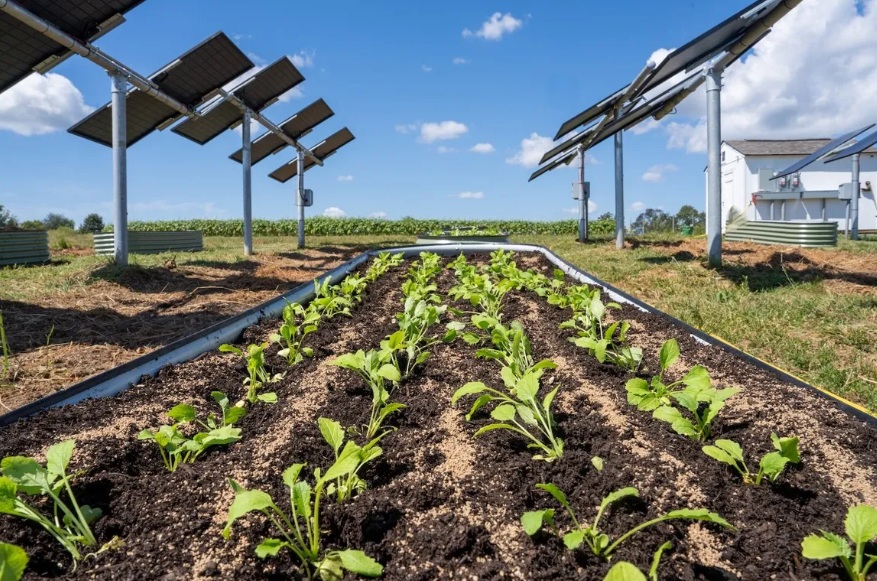
A new agrivoltaics pilot in Loudoun County is testing whether solar panels and vegetable farming can truly coexist. The Piedmont Environmental Council’s small-scale project blends solar infrastructure with active crop production, offering a model that could ease tensions between clean energy expansion and farmland preservation across Virginia.
With over a quarter of Virginia’s large-scale solar built on cropland, this project offers timely insight into land use solutions. If scalable, crop-based agrivoltaics could help bridge the divide between rural landowners, clean energy goals, and agricultural viability.
|
|
|
|
|
|
|
|
|
|
NEXT WEEK
We’ll be back in Botetourt & Franklin counties, and more!
|
|
|
|
|
|
|
|
|
|
“Of 24 states tracked by the Energy Justice Lab in 2024, Virginia had the highest rate of utility service disconnections.
Staff from the Commission on Electric Utility Regulation gave state lawmakers a slate of proposals to consider last week that aim to reduce the cost of energy for the most vulnerable Virginians — including a utility disconnections dashboard, more robust energy efficiency requirements and state funding for residential solar and storage.”
|
|
|
|
|
|
|