|
|
|
Happy Friday!
February 27, 2026
|
|
|
|
Last month, we released our 2026 Annual Clean Energy Survey. One thing this poll told us is that Virginians are more likely to support clean energy projects that also bring a benefit to local communities; 62% are more likely to support solar projects that allow continued agricultural use—such as grazing—that protect working lands and rural livelihoods.
A stable, secure, and cost-effective energy portfolio remains key to Virginia’s bright future. Virginia can and should achieve energy independence and energy dominance with an all-of-the-above strategy. Learn more about our poll here: https://energyrightus.org/new-energy-right-poll-the-increase-in-energy-support/
|
|
|
|
|
|
Agrivoltaics in Legislation and the Bipartisan Votes
|
 |
|
Conservative Energy Caucus, February 25, 2026
|
|
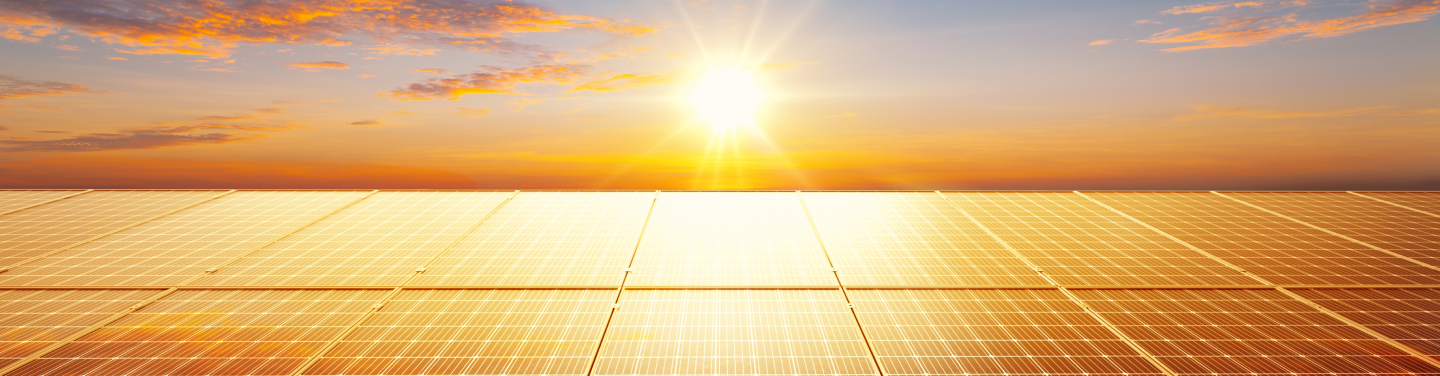
This week we’re highlighting the progress of HB 508, legislation that establishes a formal definition for agrivoltaics in Virginia and advances practical approaches that allow agriculture and solar energy to coexist on the same land. As energy demand rises and rural economies look for durable opportunities, policies that protect working lands that also expand domestic energy matter more than ever.
The bill passed the House of Delegates on February 11 with a bipartisan vote of 66–30 after being reported from House Labor & Commerce with a substitute. It then moved to the Senate, where it was referred to the Senate Agriculture, Conservation and Natural Resources Committee. On February 24, the committee reported the bill 10–4, sending it to the Senate floor, where it now awaits a final vote. The bipartisan votes show the growing recognition that responsible energy development and strong agricultural communities are not competing priorities—they can and should move forward together.
HB 508 defines agrivoltaics as the intentional co-location of solar generation and agricultural production. The legislation encourages projects that maintain active agricultural use, such as grazing livestock or growing crops while generating electricity. By clarifying this definition in state code, the bill supports farmers who want to diversify income, protects productive farmland from permanent conversion, and gives localities clearer guidance as dual-use solar projects become more common. Clear definitions also provide regulatory certainty, helping communities evaluate projects on their merits rather than speculation.
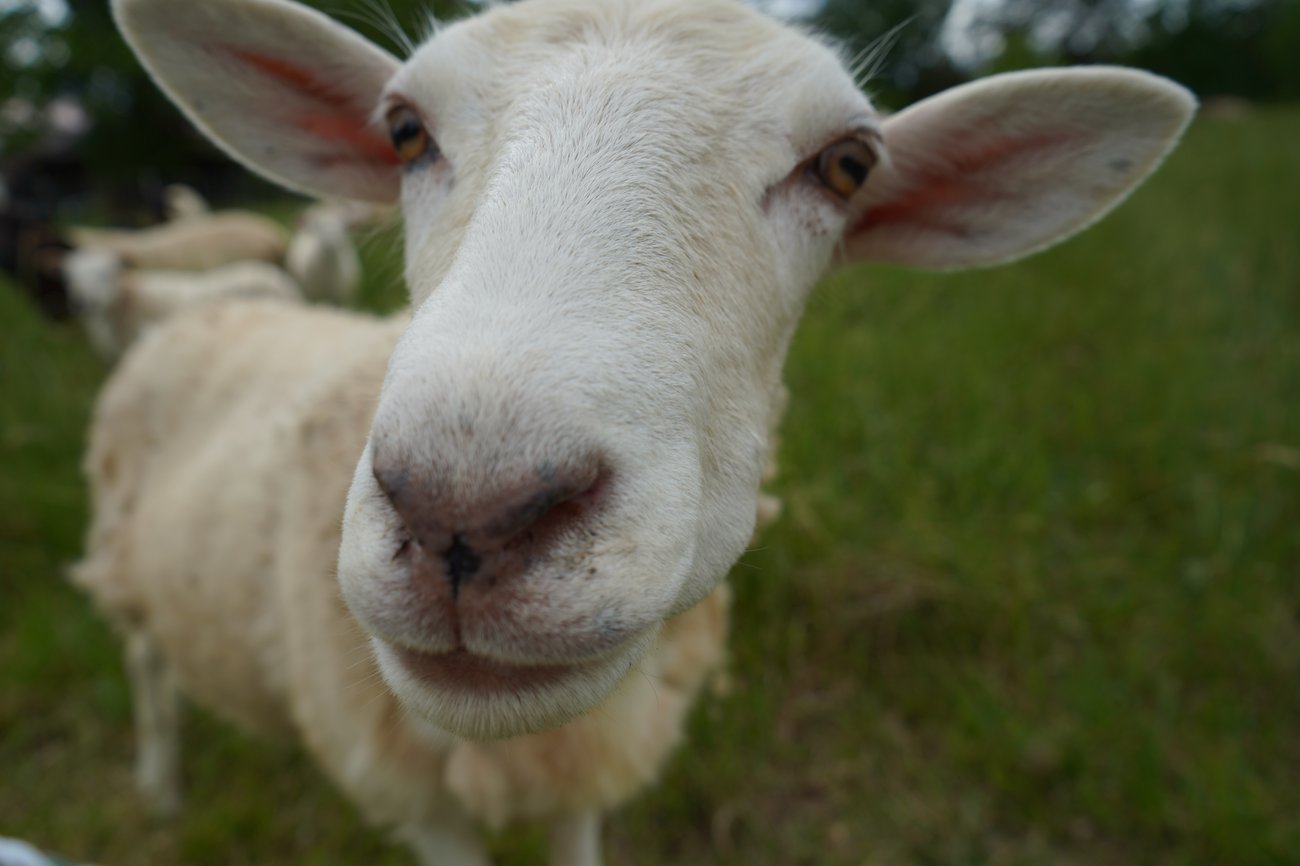
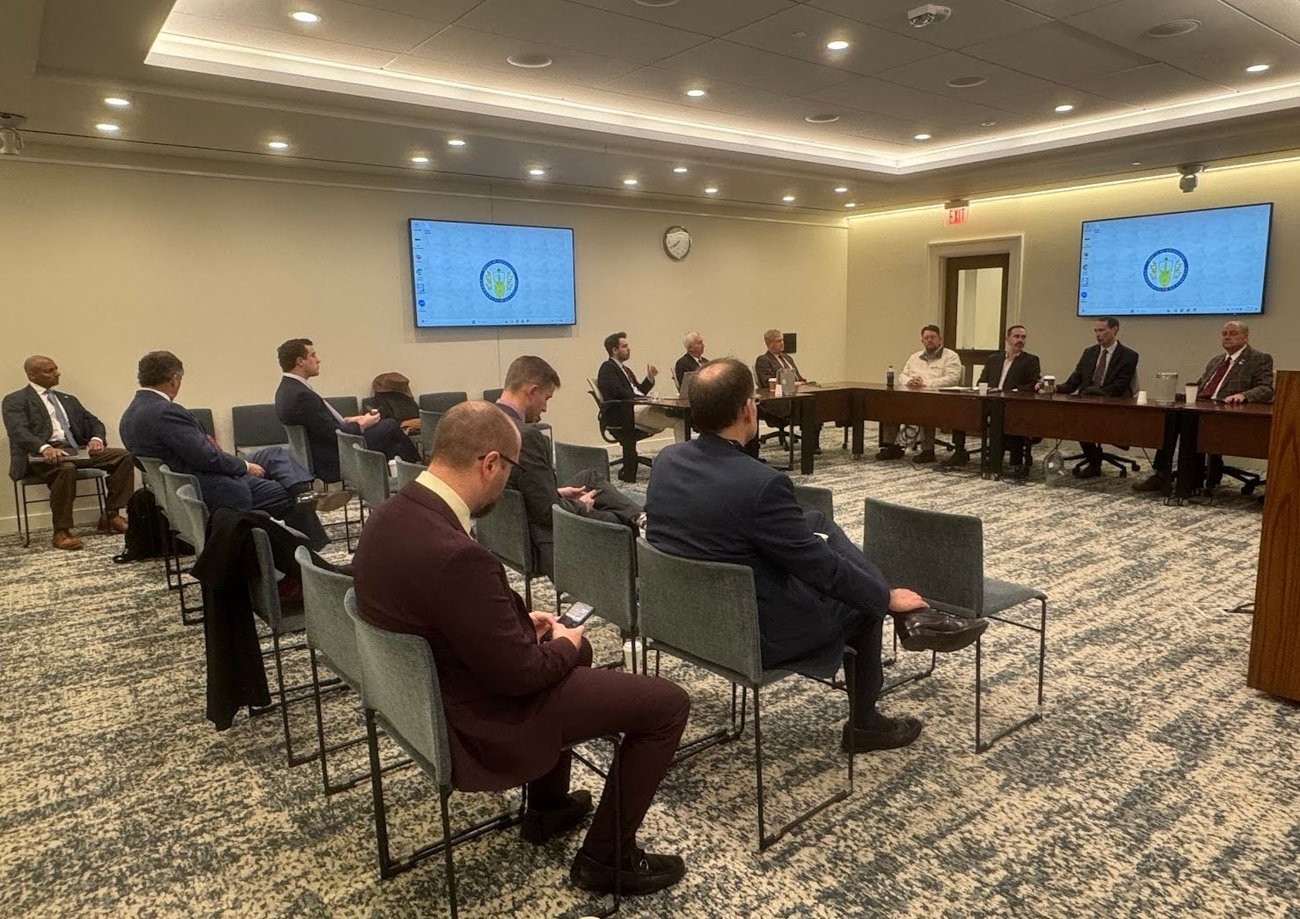
We also discussed HB 508 during this week’s Conservative Energy Caucus meeting, where we were joined by Marcus Gray of Gray’s LAMBscaping along with representatives from Strata Clean Energy and Commonwealth Energy Partners (CEP). The discussion focused on how agrivoltaic practices can keep farmland in production, reduce vegetation management costs, strengthen local tax bases, and create new revenue streams for farmers—without requiring new mandates or subsidies. As Virginia works to meet growing energy needs, HB 508 represents a commonsense step toward protecting property rights, strengthening rural economies, and ensuring energy development works for the communities that host it.
|
|
|
|
What We’re Thinking
|
|
Debate, Discourse, and Discussion
|
|
|
|
Tough conversations are rarely comfortable, but they are necessary—especially when energy policy intersects with property rights, agriculture, and local decision-making. When developers, farmers, and legislators sit at the same table and speak candidly about solar policy, the discussion moves beyond slogans and into practical realities. That’s where real, implementable policy takes shape: grounded in experience, informed by those directly involved, and focused on outcomes rather than rhetoric.
What stood out most was the alignment between farmers and developers who work together every day on agrivoltaic projects. Panel height, spacing, fencing, and vegetation management are not abstract talking points; they are operational details that determine whether sheep can graze productively and whether projects function efficiently. In practice, agriculture and solar are not opposing forces. They are coordinated uses of the same land, often rising or falling together. The farmers’ perspective made clear that grazing under solar panels is not a departure from agriculture—it is an adaptation that still supports local feed stores, fencing suppliers, veterinarians, and equipment dealers. The agricultural footprint remains real and measurable.
There was also strong support for maintaining local involvement in permitting decisions, alongside an honest acknowledgment that inconsistent zoning classifications and shifting land-use standards can complicate responsible development. The legislation under discussion was not framed as a cure-all, but as a step toward clearer definitions and greater consistency. Providing a formal framework for agrivoltaics offers certainty for farmers who want to innovate while protecting their land and livelihoods. When stakeholders engage directly and focus on practical solutions, progress becomes possible—and policy begins to reflect the realities on the ground.
.
|
 |
|
|
|
|
|
|
|
|
|
|
|
|
|
This week the Energy Right team was in
Buckingham, Gloucester, Richmond City, and Spotsylvania counties!
|
|
|
|
|
|
|
|
|
|
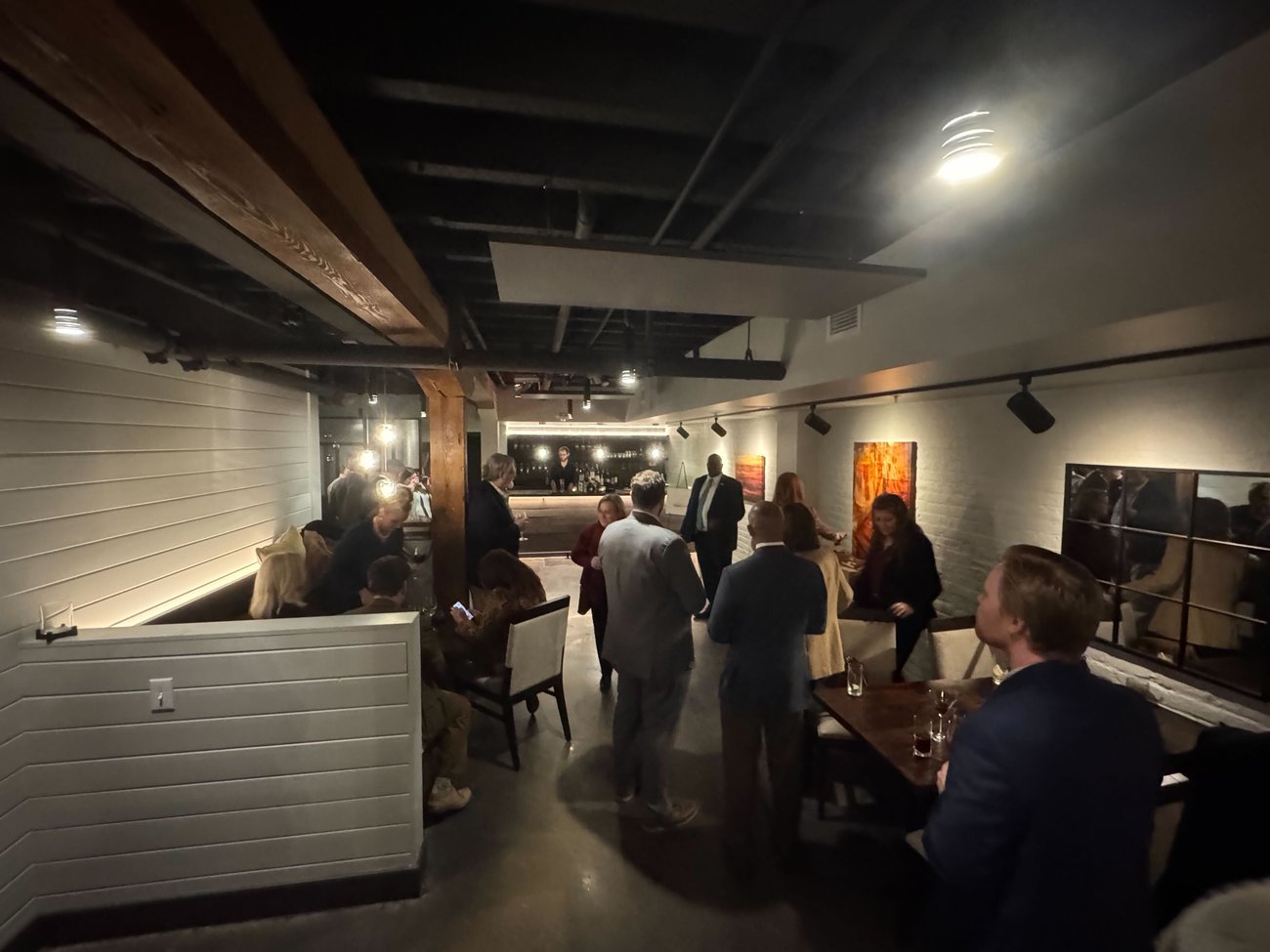
This Wednesday night, the Energy Right team had the pleasure of attending the Conservatives for Clean Energy Annual Virginia Legislative Reception, hosted in Richmond. We heard updates from Virginia State Director Thomas Turner on the organization’s growing work to advance conservative, market-driven clean energy solutions across the Commonwealth.
The evening also recognized leaders helping move Virginia’s energy policy forward. Delegate Delores Oates was acknowledged for carrying bipartisan legislation to expand access to balcony solar, helping more Virginians participate in distributed energy generation. The City of Chesapeake also received an award for being a standout locality that has embraced more clean energy initiatives.
|
|
|
|
|
|
|
|
NEXT WEEK
We’ll be heading out to Culpeper, Gloucester, Lunenburg, and Washington D.C.
|
|
|
|
|
|
|
|
|
|
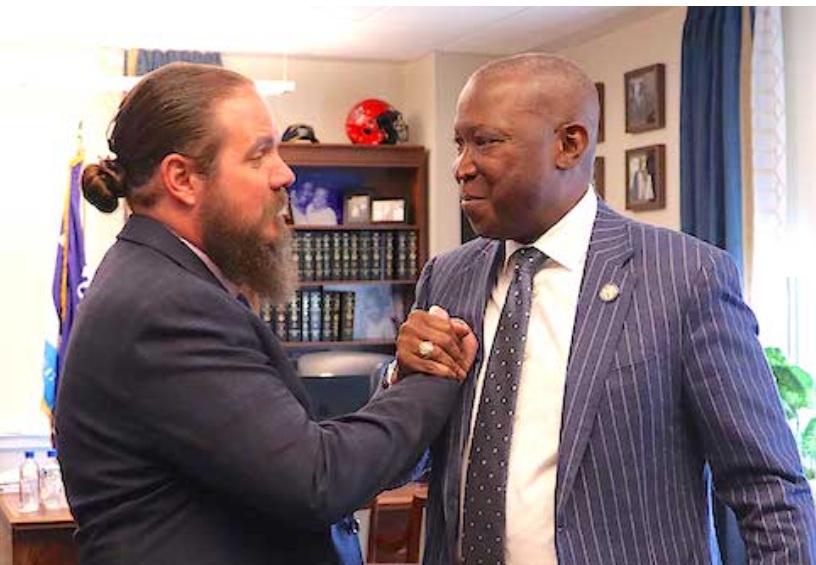
Virginia farmers brought firsthand perspectives to the Capitol during the Virginia Farm Bureau Federation’s annual Legislative Day, meeting with lawmakers on issues ranging from solar siting and agrivoltaics to labor policy, pesticide regulations, and food labeling. Producers voiced support for defining agrivoltaics in a way that keeps agriculture central, while emphasizing the importance of local control in solar decisions. Farmers also raised concerns about proposed labor mandates and pesticide bans, warning of added strain on already thin margins.
|
|
|
|
|