 |
|
|
|
We’re excited to share the next installment of the America First Energy Blog. This week’s piece looks back at Louisiana’s political and energy past, tracing how power, oil, and influence shaped the systems we still live with today. It’s a reflection on legacy, leadership, and how history continues to inform Louisiana’s energy future.
|
|
|
|
|
|
The River Remembers: Oil, Power, and the Men Who Refused to Die
|
|
|
|
|
|
Louisiana is powered by memory. Along the Mississippi River, history doesn’t fade, it lingers. The river has watched fortunes made, elections won, and empires built on crude oil and charisma. The lights of the refineries flicker, illuminating the shadows of three men who shaped the state: a voice that thundered, a laugh that wouldn’t quit, and a quiet operator whose signature outlived his body.
The year is 1901 and oil is discovered at Jennings, Louisiana, promising wealth and power. Oil companies moved quickly, bringing deals and political leverage. Yet, instead of this wealth reflected in the state, Louisiana stayed much the same, with muddy roads and underfunded schools.
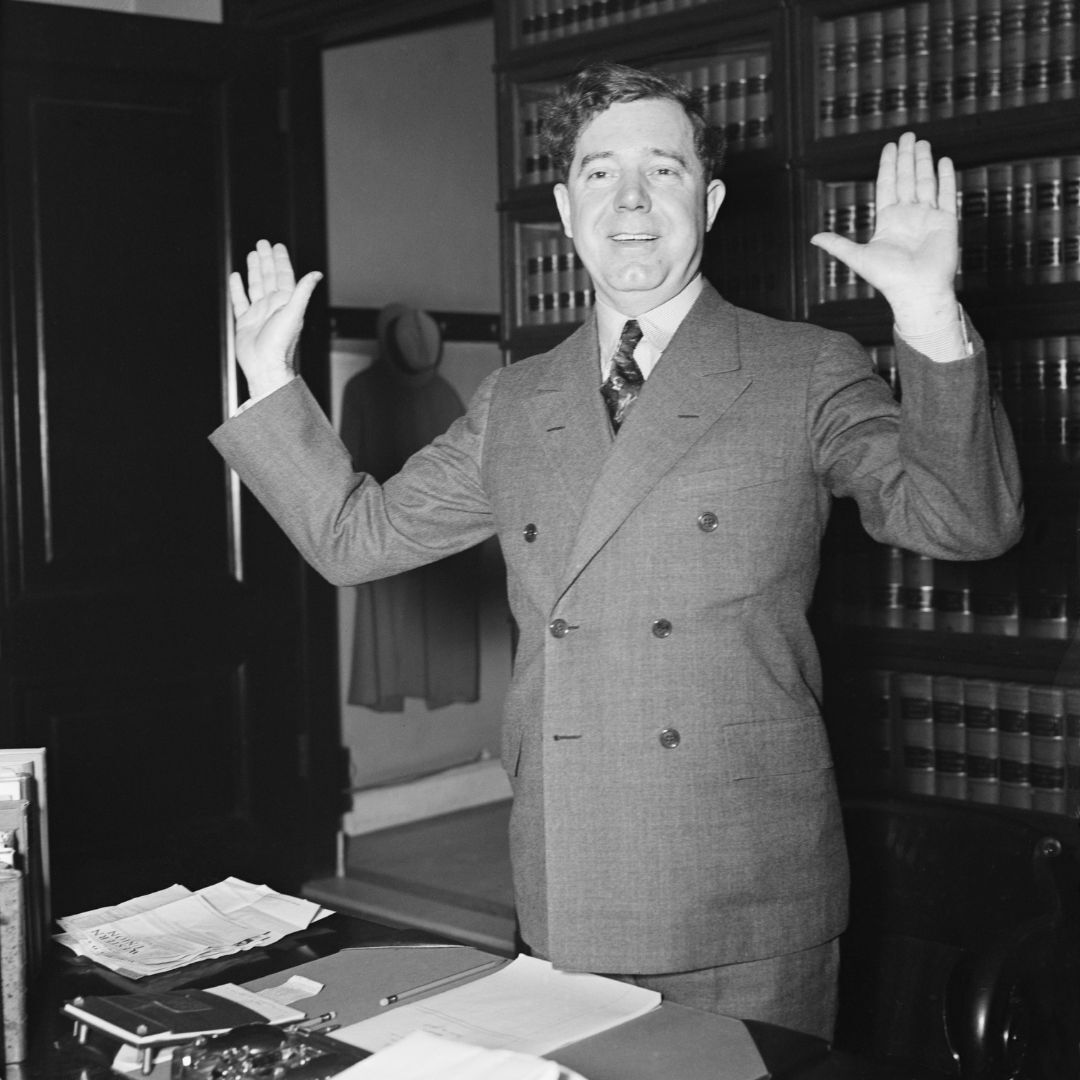
Then came a man whose crude charisma refined itself into policy. His name was Huey P. Long and he came in like a storm. The state still leans on the tax he devised. He dominated every conversation, every rural town, and every crowd that gathered to hear his booming voice. His presence carried a gospel: every man a king, every field a well. Words that still hum and echo through the State Capitol that he built.
In 1929, during his famous special session he enacted a severance tax on oil companies. The oil companies fought hard, even trying to impeach him, but he won. This decision cemented the state’s path forward on energy dominance and dependence.
|
|
|
|
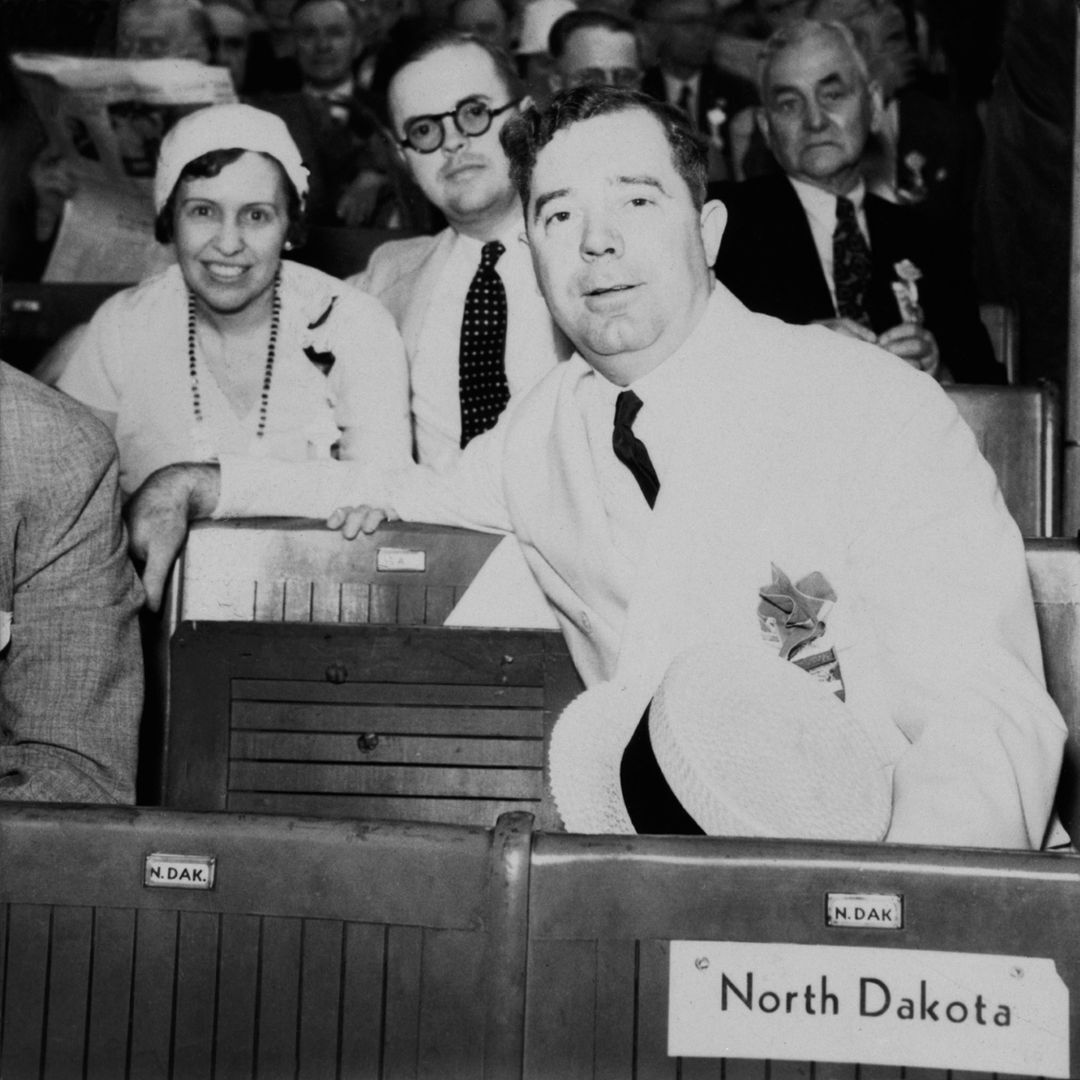
Through cunning and charisma, Long consolidated power like no Louisiana governor before him. Some say he claimed populist reform, but the leases for himself and allies tell a different story. He filled boards with loyalists, rewrote the budgets. Some say he fought for the poor and some say he fought for power.
Maya Chari writes “Huey Long, who was elected Governor of Louisiana in 1928, is often credited — or blamed, depending on who you ask — with cementing the state government’s relationship to oil and gas. Long and his immediate successor established a legal and tax framework that allowed heavy industry to operate in the region with minimal regulation.”
Politics were murky, often transactional, and Long often had sharp contrasts in what his legislation was and the business deals he made in his personal life. He used the corporate money that he built his campaign against to fund his populist regime. He ran initially in opposition to big oil initiatives but was soon found fueling his political machine with its money.
And so, his presence lingers in the glowing Capitol he left behind. His shadow flickers across its walls with every vote, every tax debate, every promise of prosperity. The Kingfish may be gone, but the grid still hums with his power.
The Long empire didn’t die after Huey died, it laughed.
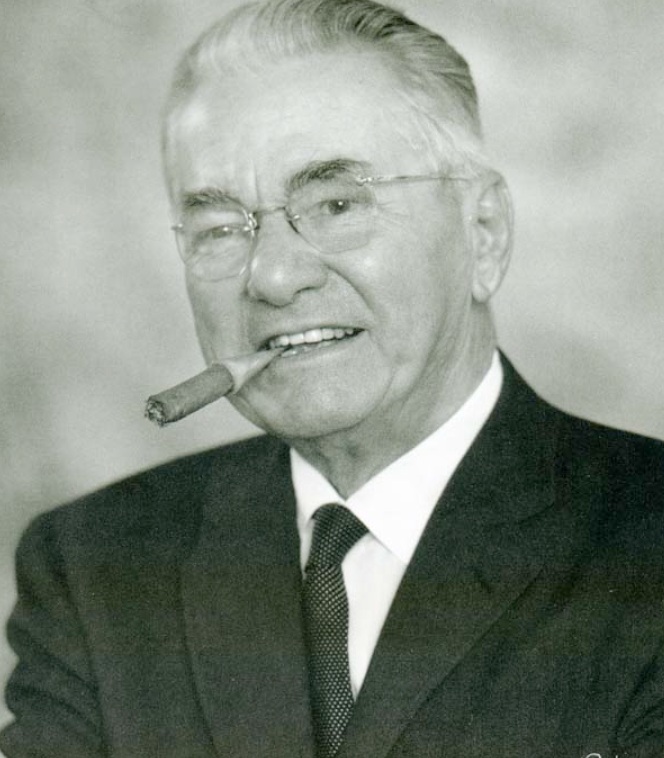
His brother Earl kept the long machine moving. Through courthouse steps and parish fairs, his outrageous speeches always ended in applause. He greased palms and charmed crowds, even when his false teeth fell out during a booming speech. Governor three times in 20 years, the Long machine still hummed, just as profitable for his allies. But behind the humor was mania. After a very public affair with a Bourbon Street dancer, his wife had him committed to an asylum in Mandeville. Between padded walls he ran the state. In true Long fashion, he fired the hospital director and signed his own release. But where his brashness faded, stood a cold shadow, turning oil into influence and running Plaquemines Parish like a puppet master.
|
|
|
|
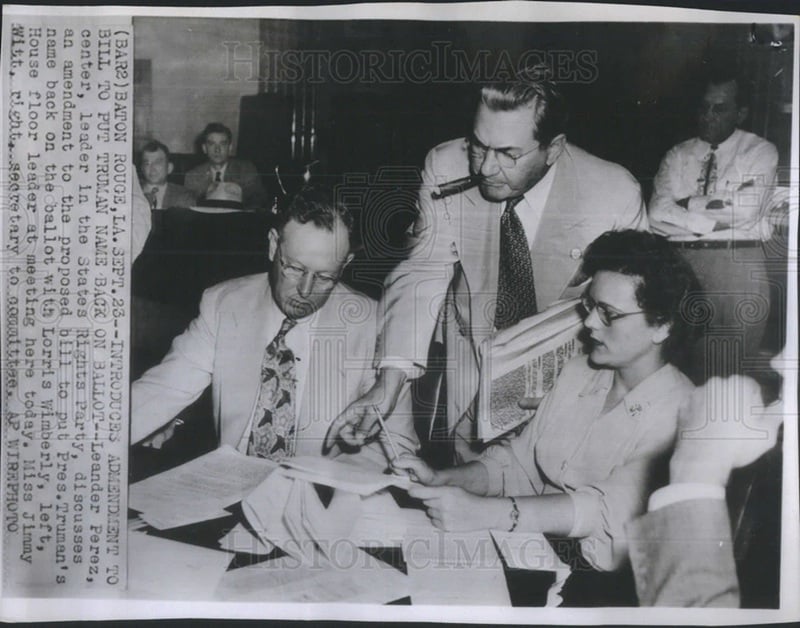
In the southernmost parish in Louisiana, leases sit, collecting dust and holding the signature of a once powerful man whose shadow still looms. Leander Perez began as district attorney for Plaquemines and St. Bernard parishes in 1919. He then became a judge. He easily manipulated contracts and agreements. He was more than a politician, he was an institution. Once the “Boss” of Plaquemines Parish, Perez’s influence still affects Louisiana energy today.
Perez didn’t need to shout to control Plaquemines, he simply signed the contracts. From the levee to the oil field, every paycheck in the parish bore his invisible signature. To defy him was to risk your job, your land, your place in the world. By turning the Levee Board and Police Jury into instruments of loyalty, he built an empire.
Like Huey P. Long, he funded his allies’ campaigns and only put his loyalists in positions of power. He rewarded loyal businessmen, contractors, and landowners with lucrative levee, dredging, and oil contracts. Those who opposed him were blacklisted. Many in the parish relied on government contracts to live: teachers, government contracts, oil workers. He created a system with himself at the top, not even the governor could touch him.
To fund his machine, he started a company called Delta Development that leased federal lands and retained the profits. Through Delta, Perez acquired oil, gas, and mineral leases on land that was technically owned by Plaquemines Parish and the Levee Board, both of which he controlled. The company held rights to offshore and coastal drilling leases.
|
|
|
|
In the late 1940s, President Harry Truman offered Louisiana a share of offshore oil revenue. President Truman offered a deal to give the state 2/3s of revenue from mineral bonuses, leases, and royalties, Perez refused. Protecting his own interests, he urged Governor Earl Long to reject the offer, killing the deal and costing Louisiana an estimated $100 billion. The federal government took the revenue, leaving none for Louisiana. The fortune sank beneath the waves, lost to his ambition.
Perez is not remembered for booming speeches or charisma. His legacy endures instead in the tombstones of leases, paper monuments to a man who ruled like a shadow king over his parish. Louisiana runs on what they built and what they broke, haunted by these men. The Mississippi River weaves through Louisiana like a living vein Along its banks sit nearly a dozen refineries, the lifeblood of the state’s economy, and the ghosts of men who once claimed to rule it. From Baton Rouge to Plaquemines Parish, the river has watched governors rise and fall, fortunes made and undone.
|
|
|
|
|
|
|