|
|
|
Happy Friday!
February 20, 2026
|
|
|
|
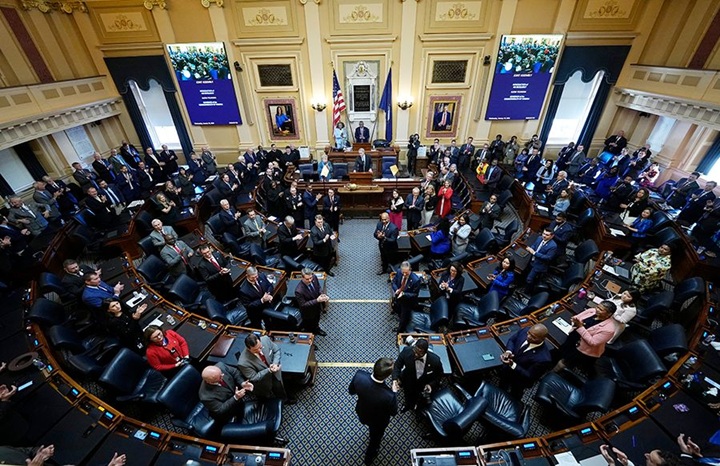
The Energy Right team was in attendance at the General Assembly in Richmond City! We’re hopeful of the progress Virginia has shown the past year and the progress that continues towards a more energy independent Commonwealth—with clean energy, done the Right Way.
|
|
|
|
|
|
Crossover at the VA General Assembly
|
 |
|
|
|
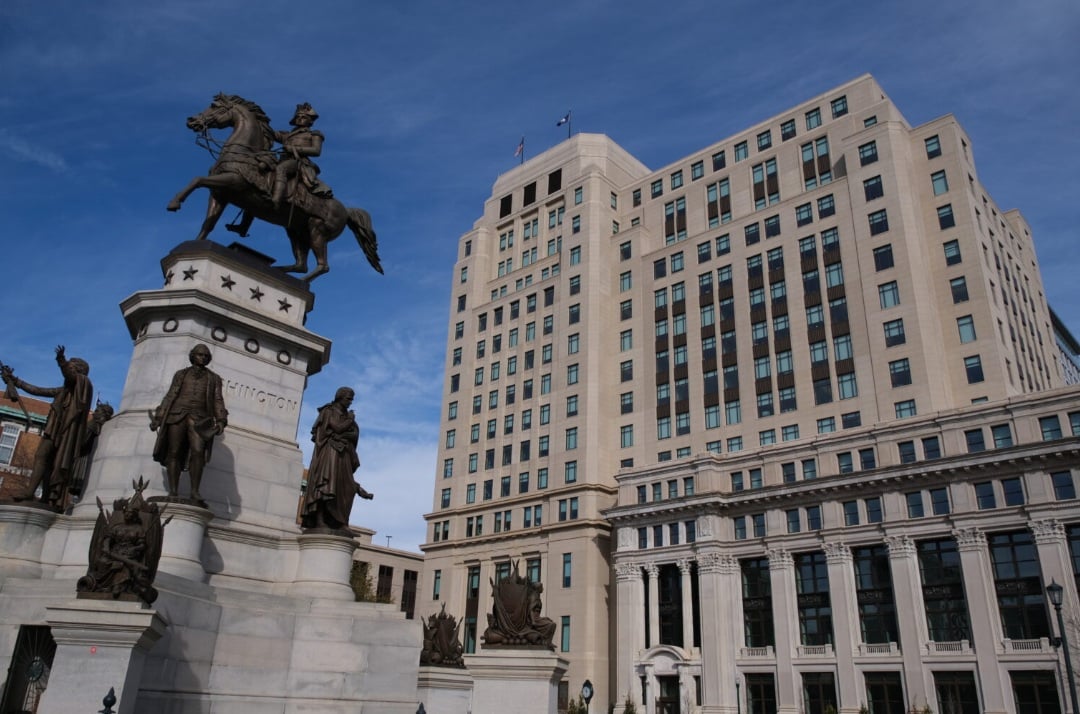
The Virginia General Assembly reached its annual “crossover” milestone this week, marking the midpoint of the legislative session and a key turning point for proposed legislation. Crossover refers to the deadline by which bills must pass their chamber of origin, meaning House bills must clear the House floor and Senate bills must clear the Senate. Crossover occurred this week on February 17, and only legislation that successfully passed its originating chamber will continue moving forward for consideration in the opposite chamber.
This deadline effectively narrows the legislative field. Bills that failed to receive a floor vote, were left in committee without action, or were voted down prior to crossover are generally considered dead for the year unless revived through rare procedural steps. With hundreds of proposals introduced each session, crossover serves as a practical filter, allowing lawmakers and stakeholders to shift focus toward the smaller group of measures that still have a realistic path to passage.
Several energy-related bills advanced past crossover this year. SB443 (McPike) would allow battery energy storage systems (BESS) to be added as a permitted accessory use to solar facilities with existing special exceptions, streamlining deployment without requiring new local approvals under certain conditions. SB347 (VanValkenburg) establishes statewide parameters for local solar approvals, including setback standards, reporting requirements, and decommissioning updates. In terms of distribution bills, HB809 and HB807 (Sullivan) continue to expand Virginia’s shared solar program through phased capacity increases and updated program structures, while HB628 (Callsen) proposes increasing rooftop solar targets from 250 MW to 1,000 MW.
As the General Assembly enters the second half of the session, attention will shift to cross-chamber negotiations, amendments, and final votes ahead of adjournment in mid-March. For those of us following Virginia’s energy landscape, this post-crossover period provides the clearest picture of which policies may ultimately shape future utility planning, solar deployment, and battery storage integration across the Commonwealth.
|
|
|
|
|
|
|
|
|
|
|
|
|
|
This week the Energy Right team was in Richmond City for the VA Assembly!
|
|
|
|
|
|
|
|
|
|
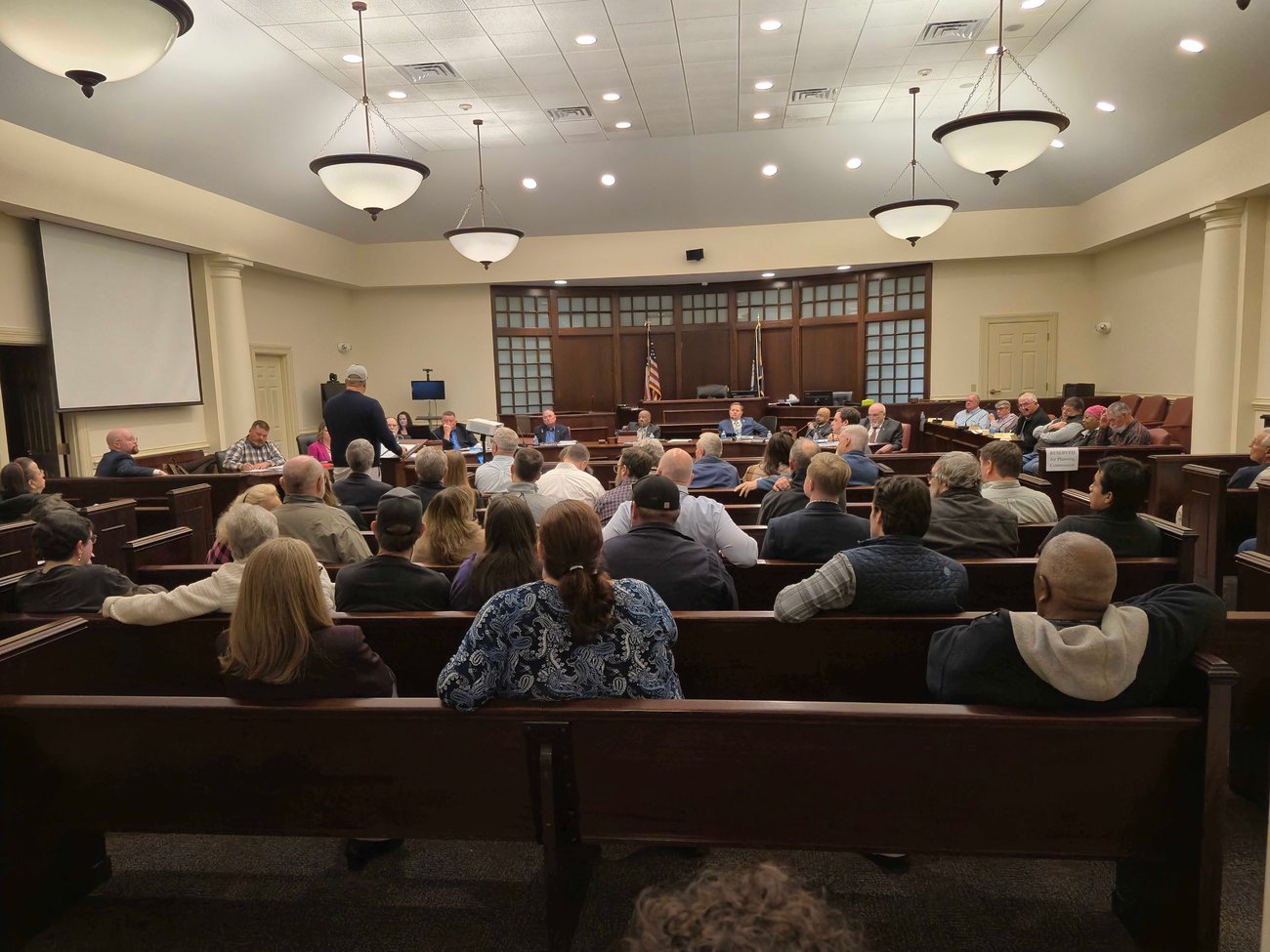
Last week, Energy Right team attended a public hearing for a utility scale solar project in Lunenburg County. The project has been through the county approval and permitting process for over 3 years, and it was finally successful in getting both Planning Commission and Board approval. Support from SCVBA, landowners of the project, neighbors, and state forestry workers all came to speak on the benefits of the project. This is the first project to be approved in Lunenburg County since 2022, and we will continue to engage and work with the county on all future endeavors.
|
|
|
|
|
|
|
|
NEXT WEEK
We’ll be heading back in Richmond City, Gloucester, and more!
|
|
|
|
|
|
|
|
|
|
At Crossover Day, Virginia Democrats and Republicans offered sharply different views on affordability. Democrats highlighted legislation advancing energy efficiency programs, paid leave, minimum wage increases, and a prescription drug board, arguing the measures will lower long-term household costs. Republicans countered that proposals like rejoining RGGI and expanding labor policies could raise energy bills and local expenses, instead promoting tax cuts as immediate relief.
|
|
|
|
|